




Packaging Insights
What Is Flexible Packaging?


A startup coffee brand needs packaging next week, not next quarter. A supplement company wants to test two new SKUs without tying up cash in a massive print run. A pet treat manufacturer needs a bag that protects freshness, looks retail-ready, and can scale with demand. That is where the question what is flexible packaging becomes practical, not theoretical.
Flexible packaging is packaging made from materials that can bend, fold, or conform to the product inside. Instead of rigid containers like jars, cans, or boxes alone, flexible packaging uses film, foil, paper, and laminations to create pouches, bags, sachets, and rollstock. It is widely used because it combines product protection, shelf appeal, production efficiency, and format versatility in a way many brands can actually work with.
What Is Flexible Packaging in Real Terms?
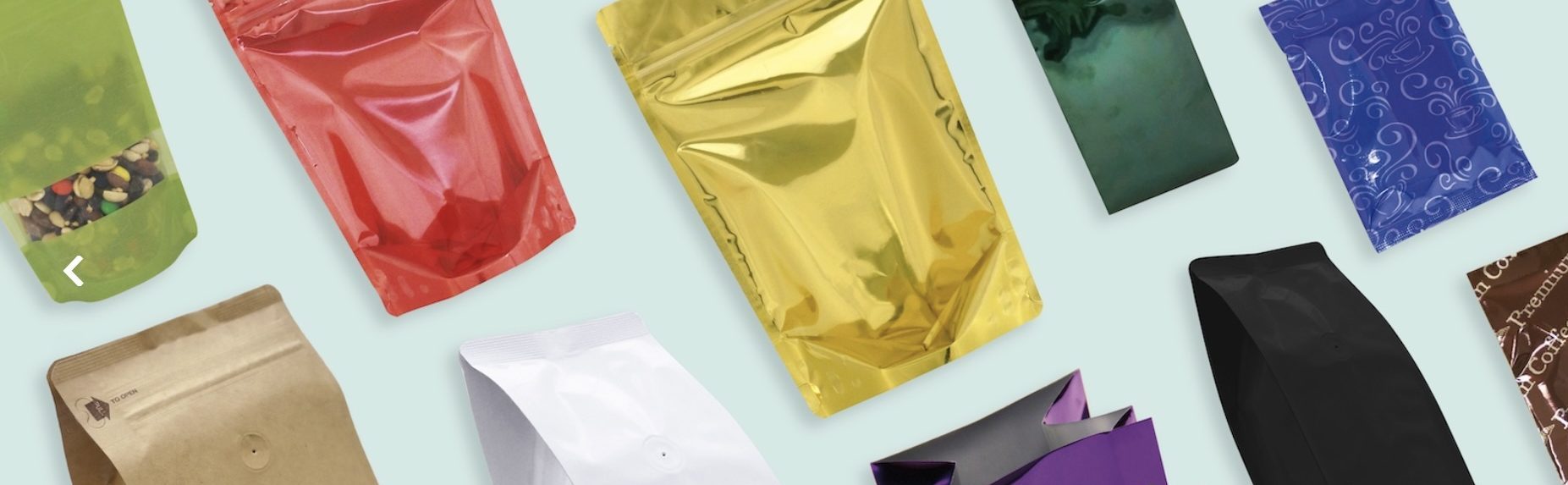
For most product businesses, flexible packaging means formats such as stand-up pouches, flat pouches, gusseted bags, square bottom bags, and roll films. These structures can be simple or highly engineered depending on what the product needs. A dry snack pouch, a coffee bag with a valve, and a medical supply rollstock film may all fall under the same broad category, but they are built for very different performance requirements.
That distinction matters. Flexible packaging is not just about using a bag instead of a box. It is about choosing materials and features that match product sensitivity, filling method, distribution environment, and branding goals. If a package looks good but does not seal consistently, it creates operational problems. If it protects the product but slows your line speed, it may cost more over time than expected.
Why So Many Brands Use Flexible Packaging
The biggest advantage is efficiency. Flexible packaging typically uses less material than rigid alternatives, takes up less warehouse space, and can reduce shipping costs because it is lighter and ships flatter. For a growing brand, those details affect margin just as much as the unit cost of the package itself.
It also gives brands more room to stage growth. Many businesses start with stock bags or pouches to move quickly, validate demand, or launch seasonal products. Once volume builds, they shift into custom printed flexible packaging for stronger shelf presence and better brand consistency. That path is useful because it supports speed early and scalability later.
There is also a merchandising benefit. Flexible formats offer a broad printable surface area, which gives brands space for graphics, compliance content, product claims, and retail communication. A well-designed pouch can work hard on the shelf without requiring a carton around it.
Common Flexible Packaging Formats
Stand-up pouches are one of the most recognizable options because they combine shelf presence with practical storage. They are often used for snacks, supplements, powders, and pet products. Flat pouches are more compact and are frequently chosen for single-serve items, samples, or products that do not need to stand upright.
Gusseted bags and square bottom bags are common in coffee, tea, and specialty food categories. They provide more volume and a more structured appearance while still keeping the material advantages of flexible packaging. Paper tin tie bags are another familiar format for bakery, coffee, and dry goods applications where ease of reclosure and a more traditional look matter.
Roll films are a different part of the category but just as important. Instead of preformed bags, rollstock is used on automated packaging lines to form, fill, and seal packages at speed. For higher-volume operations, roll film can be a strong fit, but it depends on equipment compatibility, seal performance, and production goals.
What Flexible Packaging Is Made Of
When buyers ask what is flexible packaging, they are often really asking what it is made from and how those materials affect performance. The answer is that it depends on the application.
Some structures use polyethylene for sealability and moisture resistance. Others include polyester for stiffness and printability, nylon for puncture resistance, foil for barrier protection, or paper for a certain look and feel. Many packages use laminated layers because one material alone rarely delivers every property a product needs.
Barrier is one of the biggest variables. Products like coffee, supplements, powders, and sensitive food items often need protection from oxygen, moisture, light, or aroma loss. A package with the wrong barrier level can shorten shelf life or compromise product quality. On the other hand, overengineering a structure can add unnecessary cost. Good packaging selection is a balancing act between protection, performance, and budget.
Printing and Branding Options
Flexible packaging works well for both plain stock inventory and branded packaging. That is a major reason it fits businesses at different stages.
If speed is the priority, stock bags can get products packed and moving fast. They are useful for launches, pilot runs, or temporary supply gaps. If branding is the next step, digital printing supports shorter runs and quicker artwork changes, which helps brands test new designs or smaller SKU counts without committing to very high volumes.
As demand grows, flexographic and rotogravure printing may become more economical for larger production runs. Those methods can support strong print quality and scale, but they usually come with higher setup requirements. Labeling, hot foil stamping, valve application, tin tie application, and hang hole application also give brands more ways to tailor packaging to retail, e-commerce, or specialty channel needs.
Where Flexible Packaging Fits Best
Flexible packaging serves a wide range of industries, but it is especially valuable where product protection, branding, and operational flexibility all matter. Food brands use it for snacks, grains, spices, baking mixes, frozen items, and dry goods. Coffee and tea companies rely on it for freshness, degassing features, and premium presentation. Pet supply and supplement brands use it because it supports multiple sizes, finishes, and compliance needs.
It also fits companies that are still refining demand. If you are testing a new flavor, running a seasonal item, or launching into a new retail channel, flexible packaging gives you options that are easier to scale up or adjust than many rigid formats. That does not mean it is the right answer for every product. Some items still require rigid containers because of dosing, fragility, consumer preference, or regulatory demands. But for many dry, powdered, granular, and non-fragile products, flexible packaging is a practical commercial choice.
The Trade-Offs Buyers Should Understand
Flexible packaging has real advantages, but experienced buyers know there is no one-size-fits-all solution. A pouch may lower freight and storage costs, but it also needs to run well on your equipment and hold up in distribution. A premium finish may improve shelf appeal, but it can affect cost and lead time.
Sustainability is another area where the details matter. Some brands are interested in compostable or more responsible material options, and those can be worth evaluating. At the same time, material claims, product compatibility, filling conditions, and disposal realities all need a closer look. The best choice depends on your product, channel, and customer expectations, not just the headline on the package.
Lead times and order quantities also vary. Stock packaging gives speed and lower commitment. Custom printed packaging gives stronger brand impact but often requires more planning. For many businesses, the smartest approach is not choosing one over the other forever. It is using both strategically at different stages of growth.
How to Choose the Right Flexible Packaging
Start with the product itself. Ask what needs protection from moisture, oxygen, light, puncture, or contamination. Then look at how the product will be packed, shipped, displayed, and used by the customer. A warehouse club pack, an e-commerce pouch, and a specialty retail bag may all need different structures even if the product inside is similar.
Next, think about your production reality. Are you hand-filling, semi-automating, or running on high-speed equipment? Do you need preformed pouches, or does rollstock make more sense? Are you launching quickly with stock packaging, or are you ready for custom printing? Those questions shape the right recommendation as much as the graphics or dimensions do.
Finally, choose a supplier that can support both immediate needs and long-term growth. That matters because packaging decisions rarely stay static. Brands often begin with available inventory, then add customization, finishing services, and line support as they expand. A partner that understands that progression can save time and reduce costly changes later. That is one reason many businesses work with suppliers like Soestern Packaging when they want both in-stock options and a path into custom branded production.
Flexible packaging is not just a materials category. It is a practical way to package products faster, present them better, and build a packaging system that can keep up as your business grows. The right structure should do more than hold a product. It should support how you launch, sell, and scale.