





Packaging Insights
Best Pouches for Protein Powder for Growing Brands

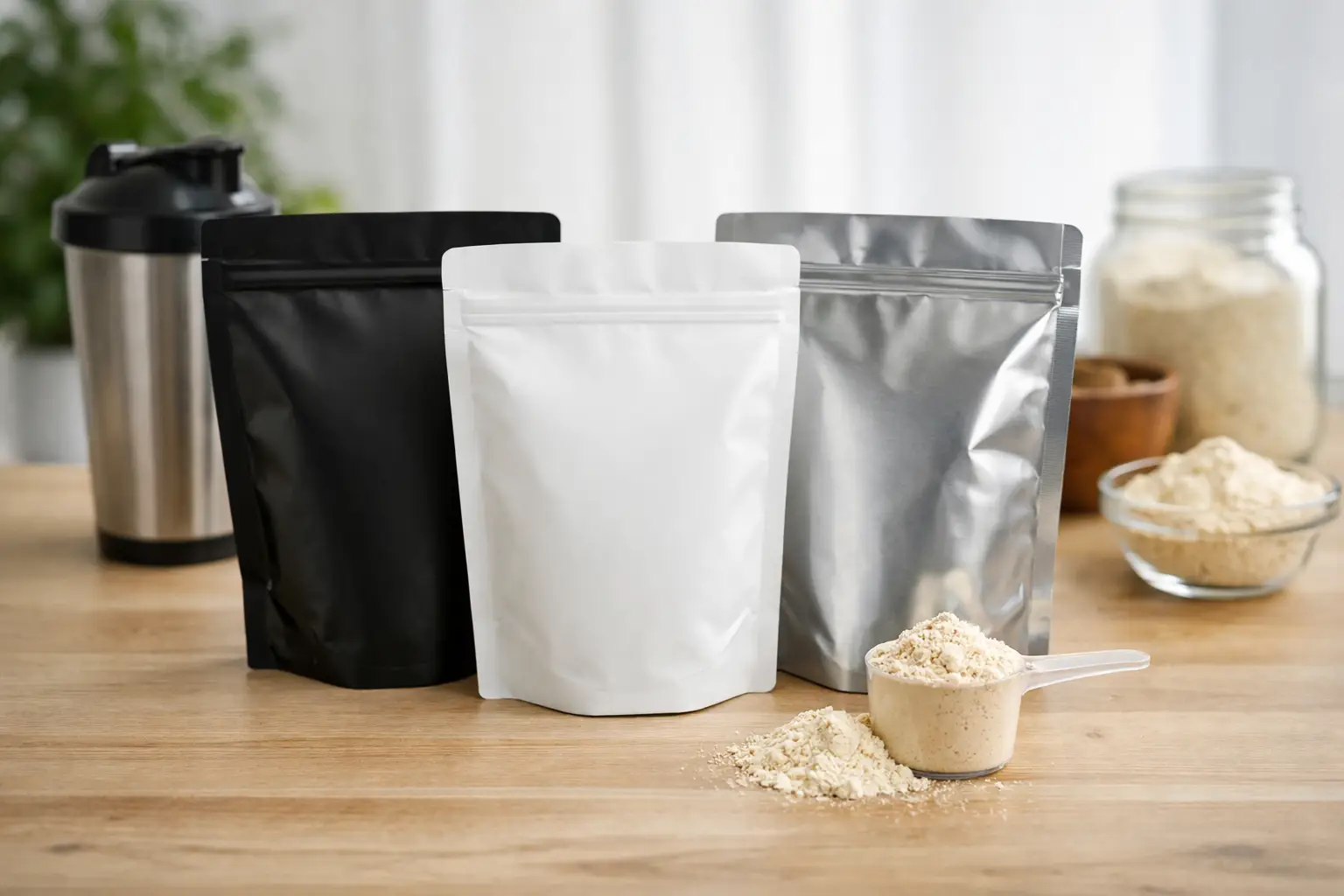
A protein powder formula can be excellent and still lose the sale if the package looks underfilled, leaks fine powder through the seal area, or becomes difficult to close after the first scoop. The best pouches for protein powder protect product quality, support a clean consumer experience, and give your brand enough shelf presence to compete in a crowded supplement category.
For most brands, the right choice is not simply the pouch with the lowest unit cost. It is the package that matches your powder’s fill weight, ingredient sensitivity, distribution channel, production method, and growth plan. A startup testing a 12-ounce whey blend has different needs than an established sports nutrition company filling 2-pound plant protein pouches at high volume.
What Protein Powder Packaging Must Do
Protein powders place real demands on flexible packaging. Fine particles can migrate into the seal area during filling, which can weaken seals if the pouch structure, filling process, and sealing conditions are not properly matched. Many formulas also need protection from moisture, oxygen, and light to preserve flavor, texture, and ingredient stability.
The pouch must also withstand the supply chain. It may be packed in a corrugated case, shipped through e-commerce networks, handled in a retail stockroom, and opened repeatedly by a customer who expects the zipper to work. A pouch that performs well on a small bench test can fail when it is filled quickly, stacked tightly, or exposed to temperature changes in transit.
Appearance matters just as much. Protein powder buyers often compare products quickly, whether they are shopping a specialty retailer, a gym, or an online marketplace. A pouch should provide a stable front panel for branding, readable nutrition and supplement facts panels, and enough visual structure to communicate flavor, serving count, and product benefits without looking crowded.
Best Pouches for Protein Powder by Product Need
Stand-up pouches for versatile retail packaging
Stand-up pouches are the most practical starting point for many protein powder brands. Their bottom gusset allows the package to stand upright on a shelf, while the broad front and back panels provide room for product information and branded graphics. They work well for single-serve packs, smaller trial sizes, and many mid-range pouch sizes.
For protein powders, look for a stand-up pouch with a resealable zipper and a heat-sealable top. The zipper gives consumers convenient repeat access, while the heat seal above it creates the primary tamper-evident closure. A tear notch can make initial opening easier, provided it is positioned so the consumer does not accidentally compromise the zipper.
This format is especially useful for brands launching new flavors or testing demand. Stock stand-up pouches allow a business to begin filling without waiting for a large custom printed production run. Labels can provide branding during the early stages, then the same basic format can transition to custom printing as volumes increase.
Flat-bottom pouches for premium shelf presence
Flat-bottom pouches are often the strongest choice for larger protein powder formats and premium positioning. Their box-like base helps them stand squarely, and their multiple panels create significantly more printable real estate than a standard stand-up pouch. This gives brand managers room for bold front-facing design, ingredient information, instructions, and compliance copy.
The format also tends to look more substantial on shelf. For products with higher price points, such as specialty collagen, grass-fed whey, clinical nutrition blends, or high-end plant proteins, that presentation can reinforce product value. The trade-off is that flat-bottom packaging is usually more complex and may carry a higher material or conversion cost than a simple stand-up pouch.
For larger fills, confirm the pouch dimensions and gusset capacity against the powder’s actual bulk density. Two protein powders with the same net weight can occupy very different volumes. A dense whey isolate and a fluffy plant-based blend should not be packaged using capacity assumptions alone.
Side-gusseted bags for high-volume fills
Side-gusseted bags are a practical option when the product requires greater volume or a more traditional bulk-bag presentation. As the pouch is filled, the side panels expand, allowing the bag to hold substantial product weight efficiently. This can make the format a strong fit for larger family-size protein powders, foodservice packs, and wholesale-oriented SKUs.
A side-gusseted bag does not always provide the same easy shelf stance as a flat-bottom pouch. That is less of a concern when the product is sold in warehouse environments, stored in bins, or displayed with retailer support. It can be an excellent operational choice when capacity and pack-out efficiency matter more than a premium upright silhouette.
Single-serve flat pouches for samples and travel packs
Flat pouches are well suited to protein powder samples, one-serving sachets, influencer mailers, and travel-oriented packs. They use less material than larger gusseted formats and can be packed efficiently into cartons or promotional kits. For brands that want customers to test a flavor before committing to a larger tub or pouch, a professionally sealed sample can be a valuable conversion tool.
Single-serve packaging must be engineered carefully because consumers frequently open these pouches without scissors. A reliable tear notch, clear opening instructions, and sufficient headspace all contribute to a better experience. If a sample is difficult to open in a gym bag or office kitchen, the packaging has created unnecessary friction at the product’s most important trial moment.
Choose the Right Barrier Structure
The pouch material is not a cosmetic decision. It determines how well the package protects the formula from the environment and how it runs on your filling line. Protein powders commonly need a barrier structure that limits moisture and oxygen transmission, particularly when the formula contains fats, probiotics, flavor systems, vitamins, or other ingredients that may be sensitive to degradation.
Metalized films and foil-based laminations can offer strong barrier performance and help block light. They are common choices where shelf life protection is a priority. Clear pouches may work for certain applications, but they expose the product to light and show powder residue, settling, and variation in fill level more clearly. For many brands, an opaque or printed structure offers a more controlled retail presentation.
Do not select a structure based on appearance alone. Your co-packer, filling equipment provider, and packaging supplier should evaluate the product’s target shelf life, storage conditions, distribution method, and seal requirements. If the powder is hygroscopic, meaning it readily absorbs moisture, barrier performance becomes even more central to the specification.
Closures, Seals, and Consumer Use
A zipper is usually expected for multi-use protein powder pouches, but zipper selection deserves more attention than it often receives. The closure needs to align cleanly after repeated openings and remain usable even when small amounts of powder collect near the track. Wider or more substantial zipper profiles can improve consumer confidence for heavier bags, though the right option depends on pouch size and product handling.
The heat seal above the zipper remains critical. It provides the first-open evidence customers expect and protects the product before purchase. Fine powder in the seal zone is one of the most common practical challenges in powder packaging. Good filling practices, adequate headspace, dust control, and proper heat-sealing settings all matter alongside pouch quality.
Consider adding a hang hole only when it suits your retail plan. It can be useful for smaller products displayed on peg hooks, but it is generally not the best solution for heavy pouches. Similarly, a one-way degassing valve is valuable for freshly roasted coffee but is rarely necessary for protein powder packaging.
Size Pouches by Volume, Not Just Net Weight
The net weight on the label does not tell you exactly which pouch will fit. Protein powder density changes with formulation, processing, particle size, and settling. A 1-pound powder can require a surprisingly different pouch volume from another 1-pound product.
The most dependable approach is to conduct a fill test using your actual finished powder. Fill candidate pouch sizes at the intended weight, allow the package to settle as it would during normal production, and evaluate headspace, zipper clearance, seal area, and final appearance. A pouch should not look strained or overfilled, but excessive empty space can make the product appear underdosed and raise shipping costs.
For larger bags, account for the scoop. The scoop should fit below the zipper without interfering with closure, and customers should have enough room to reach it without spilling powder. This small detail has an outsized impact on product reviews and repeat purchases.
Stock Pouches First, Custom Printing When Ready
Brands do not need to choose between moving quickly and building a polished package. Stock pouches are an efficient option for pilot runs, seasonal flavors, limited distribution, and new product validation. They reduce lead time and allow operations teams to learn how the product fills and ships before making a larger packaging commitment.
Once sales volume and artwork are established, custom printed pouches can improve shelf recognition and eliminate the labor of applying labels. Digital printing can support shorter runs and faster design changes, while flexographic and rotogravure printing are often better suited to higher-volume, repeat production. The right method depends on run length, artwork complexity, timing, and cost targets.
Soestern Packaging can support this progression with in-stock pouch options, custom printing, and packaging application services, helping brands move from a market test to a retail-ready packaging program without changing partners.
Build the Specification Around Your Operation
The best package is one your team can fill consistently. Before placing a production order, document the pouch style, dimensions, film structure, zipper type, tear notch location, finish, fill weight, and artwork requirements. Then test the complete package under realistic conditions: filling, sealing, case packing, shipping, and repeated consumer opening.
A lower-cost pouch that creates sealing problems is not a lower-cost solution. Likewise, a premium format that cannot be supplied reliably can disrupt a successful product launch. Choose a pouch that protects the formula, presents the brand professionally, and gives your operation room to grow.