




Packaging Insights
Choosing Compostable Bags for Food Packaging

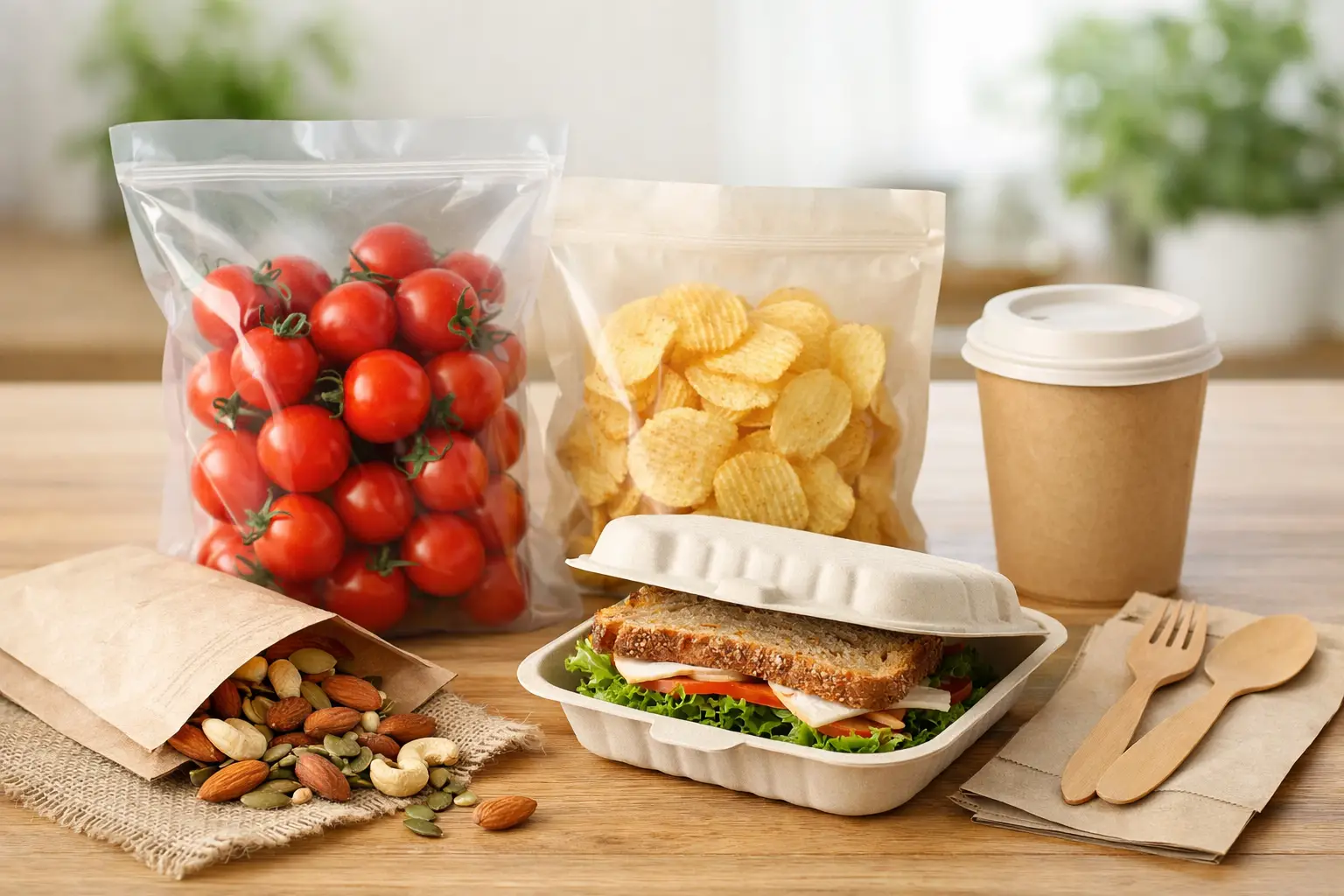
A compostable bag can look right on the shelf and still create problems on the line. It may seal differently than a standard laminate, handle moisture differently in transit, or fall short on barrier performance for the product inside. That is why compostable bags for food packaging need to be evaluated as a packaging system, not just a sustainability claim.
For food brands, the decision usually starts with pressure from retailers, customers, or internal sustainability goals. The real work starts after that. You still need the bag to run efficiently, protect freshness, meet labeling requirements, and support your launch timeline. If you are testing a new SKU or moving from stock packaging into custom print, material choice has to fit both your product and your growth plan.
What compostable bags for food packaging actually solve
Compostable packaging is often treated like a simple substitute for conventional plastic, but the operational reality is more specific. These bags are designed for compostability under defined conditions, which means they may support waste reduction goals, brand positioning, or compliance objectives depending on your market. For some brands, that matters on the shelf. For others, it matters in procurement conversations or retailer review.
What they do not do is remove the need for performance testing. A coffee brand, granola producer, confectionery company, or pet treat manufacturer may all want a compostable format, but they will not need the same structure. Oxygen sensitivity, grease migration, aroma retention, fill temperature, and shelf-life targets all change the material requirements.
That is the first trade-off to understand. A compostable bag may help support a sustainability message, but product protection still comes first. If the package fails early, the waste problem gets bigger, not smaller.
Start with the product, not the material trend
When buyers evaluate flexible packaging, the fastest way to narrow the field is to focus on product behavior. Dry snack mixes, baked goods, powders, tea, coffee, and shelf-stable ingredients can each create different stress points for the package. Some need stronger moisture resistance. Some need better aroma hold. Some need puncture resistance because of sharp inclusions or dense fills.
Compostable structures can perform well in the right application, but they are not one-size-fits-all. If your product has a short shelf life and turns quickly, a compostable bag may be a practical fit. If you need an extended shelf life with aggressive barrier demands, the decision may require more testing and more realistic expectations.
Fill method matters too. Hand-filled bags for a small launch can be more forgiving than high-speed runs on automated equipment. If your operation depends on consistency across larger volumes, seal window, film stiffness, and machinability need to be part of the conversation early.
Questions that affect bag selection
A few basic decisions shape the right format quickly. Are you packing a dry product or something with oil content? Will the bag sit in retail for months or ship direct to consumers with faster turnover? Do you need a heat-sealable pouch, a tin tie paper option, or rollstock for automated conversion? Are you launching with a stock bag first, or do you need printed packaging immediately?
None of these questions are complicated, but they prevent the most common mismatch – choosing a bag for its sustainability story before confirming it can support production and shelf life.
Format still matters as much as material
Food packaging buyers sometimes focus so heavily on film type that they underweight format. In practice, bag style affects filling efficiency, merchandising, freight, and customer perception.
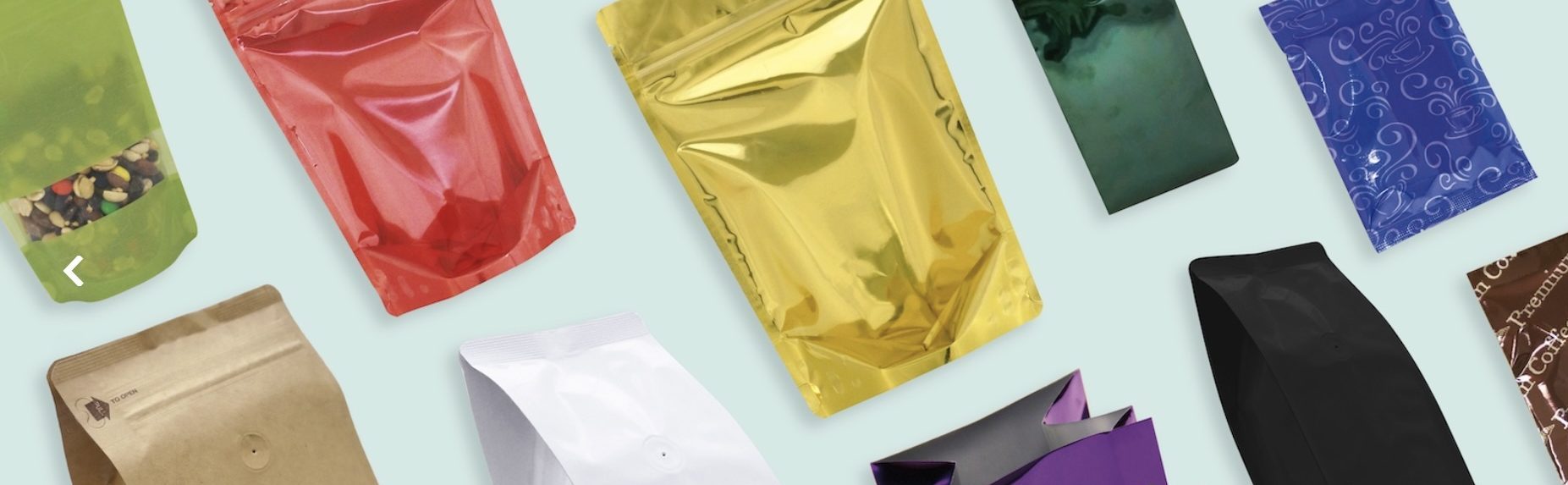
Stand-up pouches are often the first choice for brands that need shelf presence and printable area. They work well across snacks, powders, coffee, tea, and specialty dry goods, especially when a resealable feature matters. Flat pouches can reduce material usage and shipping volume, which may make sense for sample packs, single-use items, or smaller footprint products. Gusseted bags and square bottom formats can be a better fit when pack stability and traditional shelf presentation are priorities.
The right compostable option depends on how your product is sold and handled. A startup testing two flavors online may value speed and low commitment. A mature brand resetting retail packaging may care more about visual consistency, production repeatability, and converting multiple SKUs across one packaging family.
Barrier performance is where decisions get real
For food packaging, barrier is rarely an abstract specification. It affects staling, clumping, aroma loss, oxidation, and customer complaints. This is where a commercially minded review matters.
Compostable materials can offer useful protection, but not every structure will match the barrier profile of traditional multilayer films. That does not mean they are unsuitable. It means the packaging must be matched to the product honestly.
For example, a dry bakery mix with strong turnover may be a very different fit than roasted coffee, where degassing, aroma retention, and oxygen control are more demanding. A tea brand may prioritize fragrance retention and visual presentation. A pet treat manufacturer may need puncture resistance and grease handling. The material decision changes with each case.
If shelf-life claims are part of your selling strategy, plan for testing rather than assumptions. Seal checks, transit review, and limited production trials usually cost less than a packaging failure after launch.
Sealing and production performance cannot be an afterthought
A bag that looks good in samples can still slow down production. Compostable films may have different seal characteristics than buyers are used to, and those differences show up quickly during real filling conditions.
Heat range, dwell time, jaw pressure, and line speed all affect final seal quality. If you are sealing manually with tabletop equipment, you may have more flexibility. If you are running larger volumes or multiple shifts, consistency matters more than a promising sample in the conference room.
This is where experienced supplier support adds value. Packaging buyers need to know whether the material is available in the format they want, whether it can support the intended finish, and whether the transition from stock to custom will hold up operationally. Speed to market matters, but repeatability matters more once the product starts moving.
Printing, branding, and sustainability messaging
Many food brands choose compostable packaging because they want the package to communicate a clear brand position. That can work well, but only if the message is precise.
Buyers should avoid treating compostability as a broad marketing shortcut. Claims need to align with the material, intended disposal conditions, and the regulatory environment where the product is sold. Good packaging design leaves room for the sustainability message without crowding out the basics like nutrition panels, ingredient statements, lot coding, and retail-ready branding.
For early-stage brands, stock compostable bags with a label may be the fastest route to market testing. For growing brands, custom printed pouches can create a cleaner shelf presentation and better brand consistency across SKUs. There is no universal right answer. It depends on timeline, order volume, and how much flexibility you need for future revisions.
How to buy compostable bags without slowing growth
The best purchasing approach is usually staged. Start with the immediate need, then build toward scale. If you are validating product-market fit, it often makes sense to begin with in-stock packaging and confirm product performance before investing in larger custom runs. If demand is established, custom print may be the better move because it reduces labeling steps and presents a more finished retail package.
This is also where supplier breadth matters. A packaging partner that can support stock bags, custom pouches, roll films, and application services gives you more room to grow without restarting the sourcing process every time your volume changes. For many brands, that continuity reduces risk more than chasing the lowest unit price on a single format.
Soestern Packaging works with businesses that need that progression – from ready-to-ship packaging for launch and testing to custom branded solutions built for broader distribution. That model fits especially well for brands that want speed now without boxing themselves in later.
What good decision-making looks like
A strong packaging decision balances sustainability goals with product protection, line performance, and commercial reality. It accounts for format, barrier, sealing, lead times, print method, and reorder strategy. It also leaves room for the fact that not every food product is a perfect candidate for every compostable structure.
That is not a drawback. It is simply how good packaging procurement works. The right bag is the one that supports your product, your operations, and your sales channel at the same time.
If you are evaluating compostable bags for food packaging, treat the project like a business decision, not a trend decision. When the material, format, and production plan line up, you get more than a sustainable package – you get one that is ready to perform when your brand starts to scale.