





Packaging Insights
Guide to Custom Coffee Pouches


Coffee buyers notice packaging before they notice tasting notes. On a crowded shelf or a product page full of lookalike bags, the right pouch has to do two jobs at once – protect freshness and make the brand easy to trust. That is why a guide to custom coffee pouches should start with the operational reality behind the artwork. Good coffee packaging is not just design. It is format, barrier, fill process, finish, lead time, and room to scale.
What custom coffee pouches need to accomplish
A coffee pouch is doing more work than many product categories realize. It has to protect roasted beans or ground coffee from oxygen, moisture, light, and aroma loss while also carrying the visual weight of the brand. If the package looks premium but seals poorly, the product suffers. If it preserves freshness but looks generic, it can lose at retail.
That is the central trade-off in custom packaging decisions. Buyers want a branded pouch that performs well, fits the budget, and arrives on schedule. In practice, those goals can align, but only if the pouch is specified correctly from the start.
For most coffee brands, the main requirements are straightforward. The pouch needs a dependable barrier structure, a shape that merchandises well, enough printable space for branding and compliance copy, and features that match how the product will be filled, displayed, shipped, and opened by the customer.
Choosing the right pouch format
The best format depends on your product mix, your sales channel, and how much shelf impact matters.
Stand-up pouches
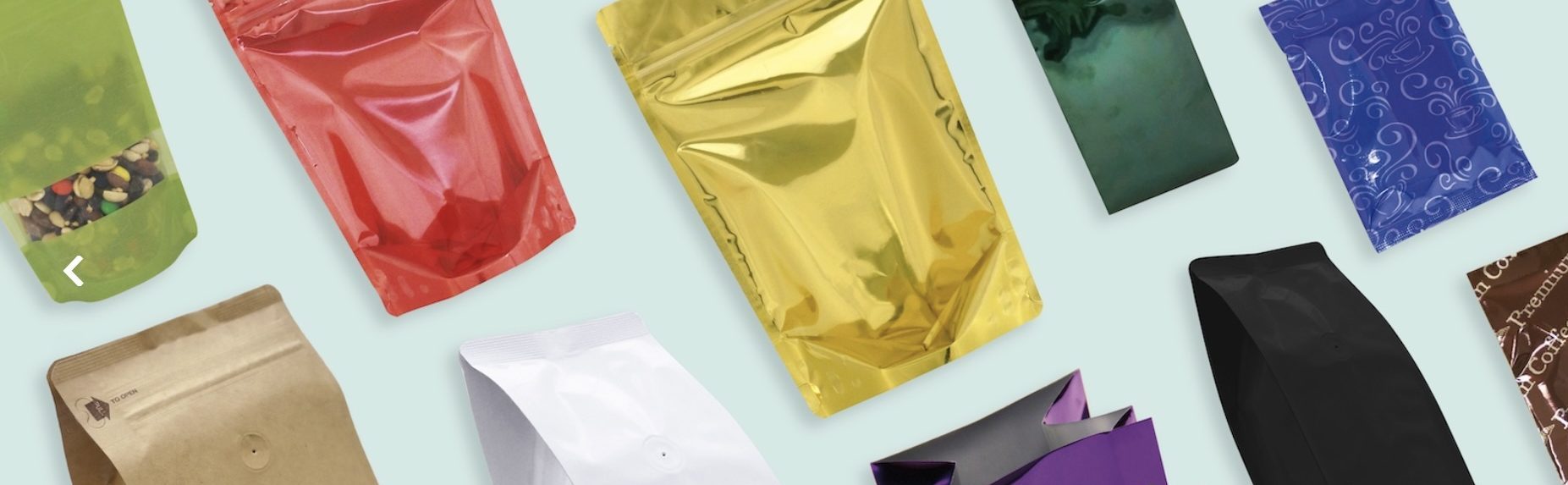
Stand-up pouches are a common choice for coffee because they present well, use space efficiently, and give brands a strong front panel for graphics. They work well for whole bean and ground coffee in retail, e-commerce, and specialty channels. If your priority is a modern look with solid shelf presence, this format is often the first place to start.
Side gusset and quad seal bags
Side gusset and square bottom styles remain popular in coffee for a reason. They look familiar to buyers, hold volume efficiently, and can create a more traditional coffee package appearance. For some brands, especially those leaning into heritage, craft roasting, or higher volume runs, these formats can make more sense than a standard stand-up pouch.
Flat pouches and sample sizes
Flat pouches are useful for sample packs, trial sizes, or single-origin promotional runs. They are not usually the primary package for larger coffee volumes, but they can be effective for direct mail, subscription inserts, or limited releases where low pack size matters more than shelf display.
Barrier matters more than most first-time buyers expect
Coffee is sensitive, and packaging that looks good on screen can fail quickly if the material structure is not suited to the product. This is where many early-stage brands learn an expensive lesson.
A proper coffee pouch should be built with barrier properties that help preserve aroma and reduce oxygen exposure. For roasted coffee, this is especially important because degassing continues after roasting. The packaging has to support product freshness without creating handling issues in storage or distribution.
There is no single material that fits every coffee brand. A local roaster selling fast-turn product through its own café may make different choices than a national brand shipping through wholesale and e-commerce. Shelf life goals, distribution conditions, fill timing, and sustainability goals all affect the right structure.
If compostable packaging is part of the brand strategy, that can be a valid path, but it should be evaluated carefully against expected shelf life and product protection requirements. Sustainability claims only help if the package still performs.
Do you need a degassing valve?
In most cases, roasted coffee packaged soon after production benefits from a one-way degassing valve. The valve allows gas to escape without letting outside air in, helping preserve product quality and reduce the risk of pouch swelling.
Not every coffee SKU needs the same setup. Ground coffee, flavored products, and products with a different packing timeline may require a slightly different approach. But for many whole bean applications, the valve is not a premium add-on. It is a functional requirement.
This is also where supplier capability matters. Valve application should be consistent, well-placed, and matched to the pouch structure. If the bag looks good but the conversion work is inconsistent, your packaging line and your customer experience can both suffer.
A practical guide to custom coffee pouches and closure features
Resealability affects repeat use, perceived quality, and customer convenience. A zipper can make a pouch easier to live with after opening, especially for larger sizes sold direct to consumer. At the same time, not every format or price point needs every feature.
Tin ties still have a place in some coffee packaging programs, particularly when brands want a classic paper bag look or are working with a specific retail presentation. Zippers tend to offer a more modern user experience, but they also add cost and can affect how the pouch is filled and sealed.
The right choice depends on your channel and your customer. A premium e-commerce coffee pouch may justify more convenience features. A high-volume wholesale line may prioritize speed and consistency over extra finishing details.
Printing method affects cost, timing, and flexibility
Custom coffee pouches are not all printed the same way, and the print method has direct implications for launch timing and order strategy.
Digital printing is often a strong fit for newer brands, seasonal coffees, test runs, and SKU expansion because it supports shorter runs and faster changes. If you are refining branding, testing markets, or launching multiple varieties with lower volume per SKU, digital can reduce commitment while still delivering a polished result.
Flexographic and rotogravure printing become more attractive as volumes increase and artwork stabilizes. They typically make more financial sense for larger runs, especially when the design is established and repeat ordering is expected. The trade-off is that these processes usually require more setup and planning.
For some brands, labeling or hot foil stamping on stock pouches can also make sense as a bridge strategy. This can be an efficient way to get to market, validate demand, and reserve larger custom print investments for proven SKUs.
Design decisions that affect production
Coffee packaging design is not just a branding exercise. The layout has to work with the pouch dimensions, seals, valves, zippers, and mandatory copy areas. A clean design on a flat proof may not translate well once folded, filled, and merchandised.
The front panel should communicate the essentials quickly – brand, roast or blend name, net weight, and enough visual distinction to separate SKUs. The back and side panels need to carry the rest without becoming cluttered. If you are producing multiple origins, blends, roast profiles, or grind options, build a system that can scale.
This is where commercially minded packaging planning pays off. Brands often focus heavily on color and finish, then realize late in the process that they also need space for lot coding, UPC placement, required statements, or variant differentiation.
Start with your fill process, not just your mockup
A pouch that looks ideal on a screen can become a problem on the production floor. Before approving a custom structure, consider how the coffee will actually be packed. Are you hand filling or using automated equipment? What seal consistency do you need? Will the bags be packed in-house or by a co-packer?
These details influence pouch dimensions, film structure, opening characteristics, and finish choices. They also affect whether stock bags with finishing services make sense in the short term while a fully custom program is developed.
For many growing brands, this staged approach is the most practical one. Start with in-stock coffee pouches for speed, test what sells, and transition into custom printed packaging once volume and SKU strategy are clearer. That reduces risk without forcing the brand to stay generic longer than necessary.
How to choose a supplier for custom coffee pouches
The strongest packaging partner is not just quoting bag prices. They should be able to help you think through format selection, print pathway, finishing options, production timing, and scale. That is especially important for coffee brands moving from small-batch sales into broader retail or wholesale distribution.
Look for a supplier that can support both immediate needs and future growth. If you need stock inventory now but know custom printing is coming, it helps to work with a partner that can cover both. Soestern Packaging fits that model by supporting brands with stock bags, custom printing, and value-added application services that help move products from launch stage to retail-ready execution.
Speed matters, but reliability matters more. A slightly lower unit price means very little if lead times slip, specs are inconsistent, or support disappears once the order is placed.
What buyers often get wrong
The most common mistake is treating the pouch as a last-step branding decision instead of an operational product component. The second is overcommitting too early – ordering a custom structure or print run that looks efficient on paper before the brand has enough sales data.
Coffee packaging should be built to support the current business and the next stage of growth. That might mean starting with a stock format and label program. It might mean moving straight into digital custom pouches. It might mean reserving flexographic or rotogravure production for the SKUs that have already proven demand.
The right answer is rarely the most expensive option or the simplest one. It is the one that protects the coffee, supports the sales channel, and gives the brand room to scale without reworking the packaging plan every few months.
A good custom coffee pouch does not need to do everything at once. It just needs to do the right things well – keep the product fresh, present the brand with confidence, and hold up as the business grows.