





Packaging Insights
How to Source Stock Pouches Fast


A product launch can get delayed for surprisingly small reasons. One missing pouch size, an unclear barrier requirement, or a supplier that says “in stock” but cannot ship for a week can stall your timeline fast. If you need to know how to source stock pouches fast, the real answer is not just finding inventory. It is narrowing specifications quickly, validating fit for your product, and buying from a supplier that can support your next step after the immediate order.
How to source stock pouches fast without costly rework
Speed matters, but speed without accuracy creates expensive problems. The fastest pouch to order is not always the fastest pouch to use. If the zipper is wrong for your fill process, the material lacks the right barrier, or the dimensions do not hold the target weight, you can lose more time replacing packaging than you saved by rushing the purchase.
For most brands, the quickest path is to make three decisions first. You need the right pouch format, the right size, and the right material structure for the product inside. Once those are clear, sourcing becomes a purchasing task instead of a packaging debate.
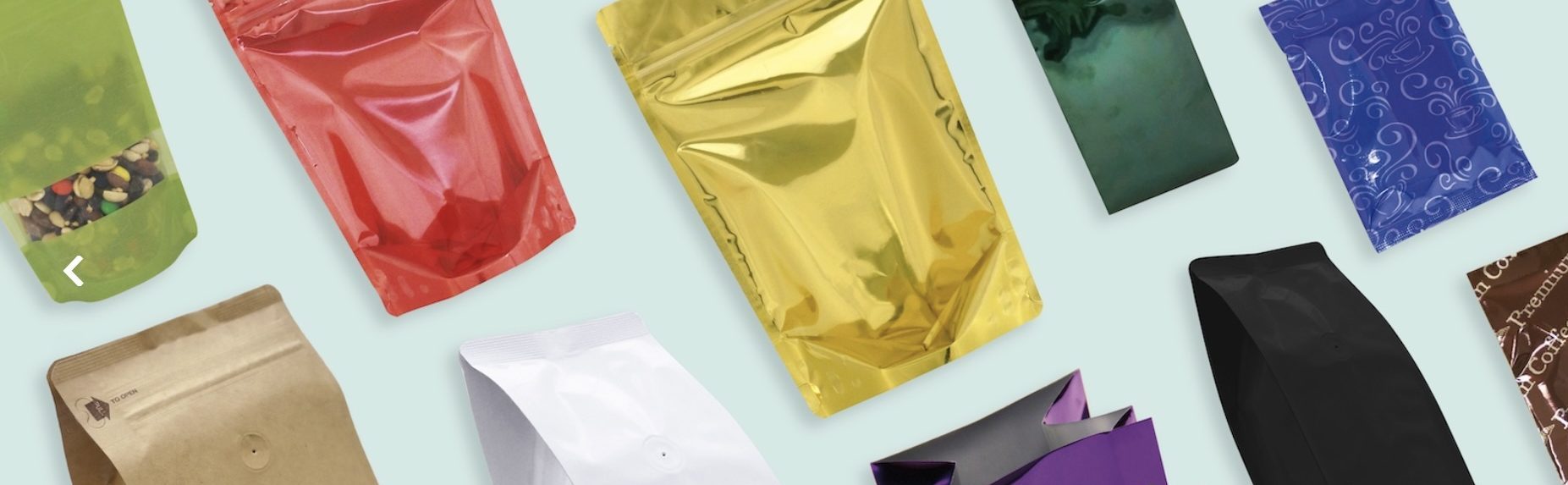
A coffee roaster, for example, may need a stand-up pouch with a degassing valve and a finish that supports shelf appeal. A supplement brand may care more about moisture barrier, fill consistency, and label application. A pet treat company may need a wide opening and stronger film for heavier fills. Different products move through the same stock pouch market, but they do not have the same packaging requirements.
Start with the pouch spec, not the catalog
Many buyers lose time by shopping formats before defining use. A stock catalog can be broad, which is helpful, but it only saves time if you know what to filter out.
Begin with the basic questions your operations or procurement team can answer quickly. What product are you packing? What is the target fill weight or volume? Does it need a zipper, tear notch, hang hole, valve, or window? Will it sit on a shelf, hang on a peg, or ship mainly through e-commerce? Those answers usually eliminate most pouch options right away.
Then confirm the product sensitivity. Dry snacks, powders, coffee, tea, supplements, and medical supply items all have different packaging tolerances. Oxygen barrier, moisture protection, puncture resistance, and resealability are not interchangeable features. If your product has any regulatory, freshness, or shelf-life concerns, a generic pouch choice can become a production issue.
The buyers who source fastest are usually the ones who can send a clean spec sheet, even if it is simple. A concise request with dimensions, estimated fill, application, and required features will move much faster than a vague request for “a pouch that works for our product.”
The minimum information to gather internally
Before contacting a supplier, lock down the non-negotiables. That usually includes pouch style, approximate dimensions, product weight, closure type, barrier needs, and target order quantity. If branding matters immediately, note whether you plan to use labels on stock pouches now and move into printed pouches later.
That last point is where many growing brands save time. Stock pouches let you test a market, launch a new SKU, or cover a short-term gap without waiting on a full custom print cycle. If your supplier can also support digital print, flexographic print, or other branding options later, you avoid restarting the sourcing process with a new partner.
Look for true stock availability, not just product listings
Not every listed item is ready to leave the warehouse. Some suppliers show broad assortments, but actual availability can vary by color, size, finish, or accessory option. If your timeline is tight, ask direct operational questions early.
Ask whether the pouch is physically in stock, what case quantities are available, and how quickly it can ship. Confirm if the item is warehoused domestically and whether common sizes are replenished consistently. For US brands trying to protect launch dates or keep production lines moving, domestic inventory often reduces freight uncertainty and communication lag.
This is also where supplier reliability matters more than price alone. A slightly lower per-unit cost does not help if the product misses your fill date. Operational buyers know that real speed comes from clear inventory status, dependable lead times, and a team that can answer specification questions without back-and-forth delays.
Fast sourcing depends on realistic quantity planning
Ordering too little can be just as disruptive as ordering too much. If you are sourcing pouches fast for a launch, promo run, or short production bridge, estimate enough volume to cover demand plus a reasonable buffer for waste, fill adjustments, or shipping delays.
That does not mean overcommitting to a massive buy. It means aligning your initial stock order with your actual production window. For early-stage brands, this can be one of the main advantages of stock packaging. You can move quickly without taking on the minimums and development time that often come with fully custom packaging.
Match the pouch to your filling reality
A pouch can look right on paper and still slow down production. That is why sourcing fast also means checking how the pouch performs in your operation.
If you hand-fill, opening width and ease of sealing matter. If you use semi-automatic or automated equipment, consistency in dimensions and material can affect throughput. If you apply labels, surface finish and panel space matter more than many buyers expect. A pouch that is difficult to fill, seal, or label creates labor inefficiency that shows up immediately on the floor.
This is especially relevant for brands moving from startup volumes to more structured production. The stock pouch that worked for your first 500 units may not be the best fit once the line speeds up, case packs increase, or retailer presentation becomes more important. Fast sourcing should solve the immediate need, but it should also fit where your operation is going next.
How to source stock pouches fast when timing is tight
When you are under deadline, simplify the decision path. Choose from standard sizes and popular formats instead of chasing highly specific variations that may not be available. Stick to proven materials unless your product clearly requires a specialty structure. If branding is urgent, consider stock pouches with labeling or finishing as a bridge instead of waiting for fully custom printed inventory.
This is where a broad packaging partner can shorten the process. If one supplier can provide stock bags, application services, and a transition path into custom packaging, you reduce the number of handoffs. That matters when your team is juggling formulation, compliance, production scheduling, and sales commitments at the same time.
Soestern Packaging supports this kind of buying path well because brands can secure in-stock packaging for immediate use and then move into branded formats as volume and timing allow. For many growing businesses, that is a more practical route than forcing custom packaging too early.
Watch for the trade-offs
Fast sourcing always involves trade-offs. Stock pouches give you speed, lower commitment, and flexibility for testing. Custom pouches give you stronger shelf differentiation and tighter brand control. Neither is automatically better. It depends on whether your immediate pressure is launch timing, unit economics, merchandising, or long-term scale.
There are also cases where the fastest available pouch is not the right commercial choice. If your category is highly competitive at retail, plain stock packaging with a label may be enough for a short run but not for a broader rollout. If product freshness is central to repeat purchase, barrier performance should outweigh appearance or price.
Build a repeatable sourcing process
The brands that consistently source faster do not treat every order like a fresh search. They standardize their pouch requirements, document approved sizes and materials, and keep backup options for high-use SKUs. They also work with suppliers that can tell them what is moving, what is stable in inventory, and when it makes sense to shift from stock to custom.
A simple internal playbook helps. Keep records of approved pouch dimensions, fill weights, sealing settings, and any application requirements like valves, tin ties, or hang holes. When demand changes or a new SKU needs packaging, your team can make faster decisions with fewer surprises.
If you are actively growing, think beyond the next order. The right supplier should be able to support immediate stock needs, help you avoid packaging mismatches, and provide a credible path into printed pouches, roll stock, or value-added finishing as your business scales.
Fast pouch sourcing is not about rushing the wrong choice. It is about removing uncertainty early so your packaging keeps up with your sales, your production schedule, and the market opportunities in front of you.