




Packaging Insights
How to Choose Pouch Barrier Levels


A pouch that looks right on the shelf can still fail where it counts – product protection. That is why knowing how to choose pouch barrier levels matters early, before you approve artwork, order volume, or lock in a material structure. Barrier is not a cosmetic feature. It is a performance decision that affects shelf life, product quality, freight risk, and how confidently you can scale.
For most product teams, the mistake is not choosing a pouch with too little barrier on purpose. It is assuming every pouch needs the highest barrier available, or assuming a standard film will work for every SKU. Both can create avoidable cost, production issues, or product spoilage. The right answer depends on what you are packing, how long it needs to last, and what the pouch will face from filling line to end user.
What pouch barrier levels actually mean
Barrier level refers to how well a pouch material resists transmission of outside elements such as oxygen, moisture, light, aroma, and contaminants. Different films block these threats at different rates. A high-barrier pouch slows transfer much more effectively than a basic structure, which helps preserve products that are sensitive to oxidation, humidity, or flavor loss.
In practical terms, barrier is about matching material performance to product risk. Coffee, powdered supplements, jerky, spices, and medical components often need stronger protection than products with faster turnover or lower sensitivity. If the wrong structure is chosen, quality can decline long before the package itself appears damaged.
How to choose pouch barrier levels for your product
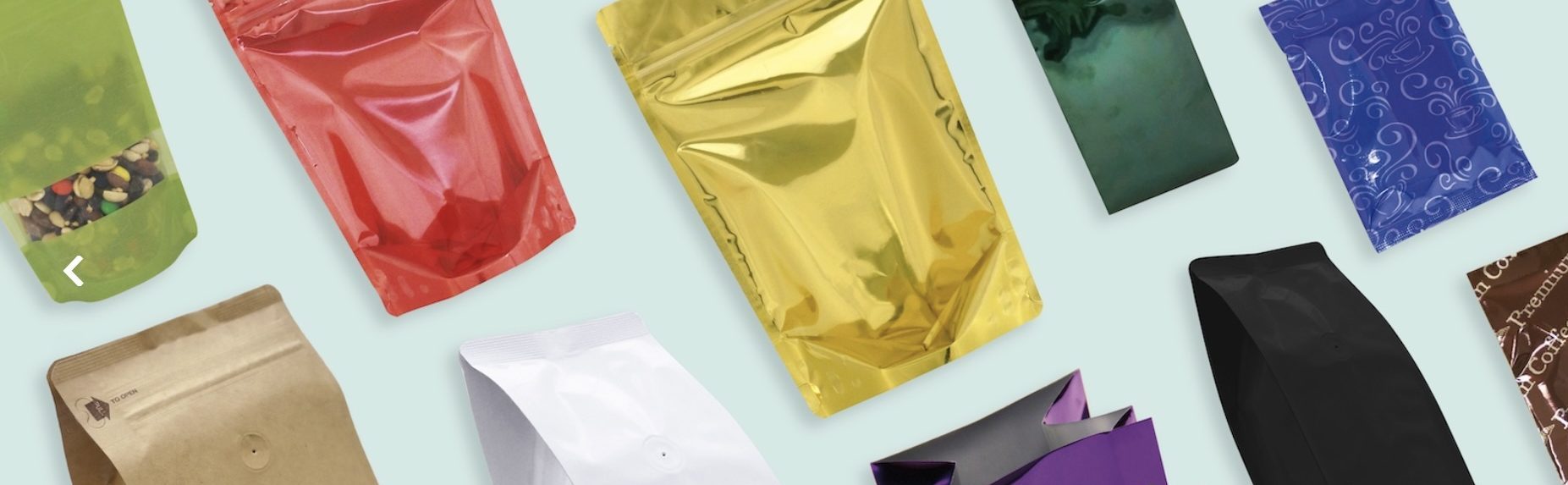
Start with the product, not the pouch style. Stand-up pouches, flat pouches, and gusseted formats can all be built with different material structures. The format affects presentation and filling efficiency, but barrier performance comes from the film construction.
Ask four direct questions. What causes this product to degrade? How long must it remain stable? What environments will it encounter? How will it be filled and sealed? Once those answers are clear, barrier selection becomes much more precise.
1. Identify the product’s main enemy
Most packaged goods are vulnerable to one or two primary threats. Oxygen is a major issue for products that oxidize, lose potency, or go stale. Moisture matters for dry goods that clump, soften, or lose texture. Light can damage color, flavor, and sensitive ingredients. Aroma transfer matters for products that must either retain their own scent or resist outside odors.
Coffee is a good example. Roasted beans need protection from oxygen and often benefit from additional features such as degassing valves. Powdered drink mixes may be more vulnerable to moisture pickup than light. Pet treats can require a mix of moisture and oxygen protection depending on formulation and target shelf life. There is no universal barrier target across categories, even within food.
2. Define real shelf-life expectations
Barrier decisions should match your actual sales and distribution model. A product intended for local turnover in 30 to 60 days may not need the same structure as one shipping nationally, sitting in wholesale inventory, and remaining on shelf for 12 months.
This is where many brands overspend. They specify the most aggressive barrier available without considering whether their channel needs it. Higher barrier can be the right call, but only if the product and supply chain justify it. If you are testing a SKU with short replenishment cycles, a moderate barrier structure may support the launch without driving unnecessary packaging cost.
3. Consider storage and distribution conditions
Barrier performance does not happen in a vacuum. A pouch moving through hot warehouses, humid stockrooms, parcel shipping, and retail display faces more stress than one stored in controlled indoor conditions. Temperature swings, compression, handling, and transit time all affect packaging results.
A product sold online may need stronger protection than the same product sold through a local retail footprint because the shipping environment is less predictable. If your packaging will be exposed to light on open shelving, light barrier becomes more important. If it may sit in humid climates, moisture resistance deserves closer attention.
4. Match barrier to your filling process
The pouch has to perform during production, not just after sale. Fill temperature, sealing conditions, line speed, product shape, and puncture risk all matter. Sharp-edged contents may require structures that combine barrier with better durability. Fine powders may expose seal contamination issues that make material selection more critical.
Barrier film that looks perfect on paper can become a poor choice if it does not run efficiently on your equipment. That is why operational fit matters as much as lab performance. For growing brands, this becomes especially important when moving from short runs to higher-volume production.
Low, medium, and high barrier – when each makes sense
Low-barrier pouches are often used for products with short shelf life, fast local turnover, or lower sensitivity to oxygen and moisture. They can make sense for limited market tests, some dry goods, or products where packaging mainly serves containment and presentation.
Medium-barrier pouches are a common middle ground for brands that need better product protection without stepping into a more specialized structure than necessary. They are often suitable for many snack items, dry blends, and products with moderate shelf-life targets.
High-barrier pouches are typically used when freshness, potency, aroma retention, or extended distribution windows are critical. This can apply to coffee, supplements, specialty foods, and products exposed to more demanding logistics conditions. The trade-off is cost, and sometimes material complexity, but that cost can be minor compared with spoilage, returns, or lost shelf confidence.
Barrier mistakes that cost brands time and money
One common mistake is choosing based on appearance alone. A matte finish, clear window, or paper-touch exterior may support brand presentation, but those features do not tell you enough about oxygen or moisture resistance. Material structure matters more than surface look.
Another mistake is designing for best-case conditions. If your product stays stable only in climate-controlled storage and flawless handling, the packaging plan is too fragile. Real distribution includes delays, pallet movement, heat, humidity, and varying retailer practices.
There is also the issue of overengineering. More barrier is not automatically better if it creates higher costs, longer lead times, or unnecessary complexity for an early-stage launch. Commercially sound packaging balances protection with purchasing reality.
How custom goals change the barrier conversation
As brands grow, barrier selection usually becomes more nuanced. A startup validating demand may begin with an in-stock pouch that meets basic product needs and keeps lead times short. Once velocity is proven, that same brand may move into a custom printed pouch with a more refined film structure, upgraded finish, or added features such as valves, hang holes, or specialty applications.
That progression is normal. It allows teams to test the market without overcommitting, then improve shelf presence and package performance as the business scales. For companies managing multiple SKUs, barrier levels may also vary by product family instead of using one structure across everything. That often produces a better cost-to-performance result.
When to ask for help instead of guessing
If your team is debating between two film structures, trying to hit a shelf-life target, or preparing for a broader retail rollout, it is worth getting input before placing a large order. The right packaging partner should be able to discuss the product, channel, run size, and operational constraints in practical terms, not just offer a catalog answer.
This is where an experienced supplier can shorten the learning curve. Soestern Packaging works with brands at different stages, from stock bag purchases for quick launch needs to custom pouch programs built for stronger shelf presence and scale. That kind of support matters when barrier decisions affect both product protection and production planning.
A practical way to make the final call
If you need a simple framework, narrow your choice by ranking product sensitivity, target shelf life, and distribution stress from low to high. If two of those three factors land in the high range, a higher-barrier structure is usually worth serious consideration. If all three are low, a simpler structure may be enough.
The key is not finding the most protective pouch on the market. It is finding the pouch that protects your product well enough for the way your business actually sells, ships, stores, and grows. Make that decision with the product in mind, and the pouch starts doing what it is supposed to do – reducing risk while supporting scale.