



Packaging Insights
How Much Does Custom Pouch Printing Cost?

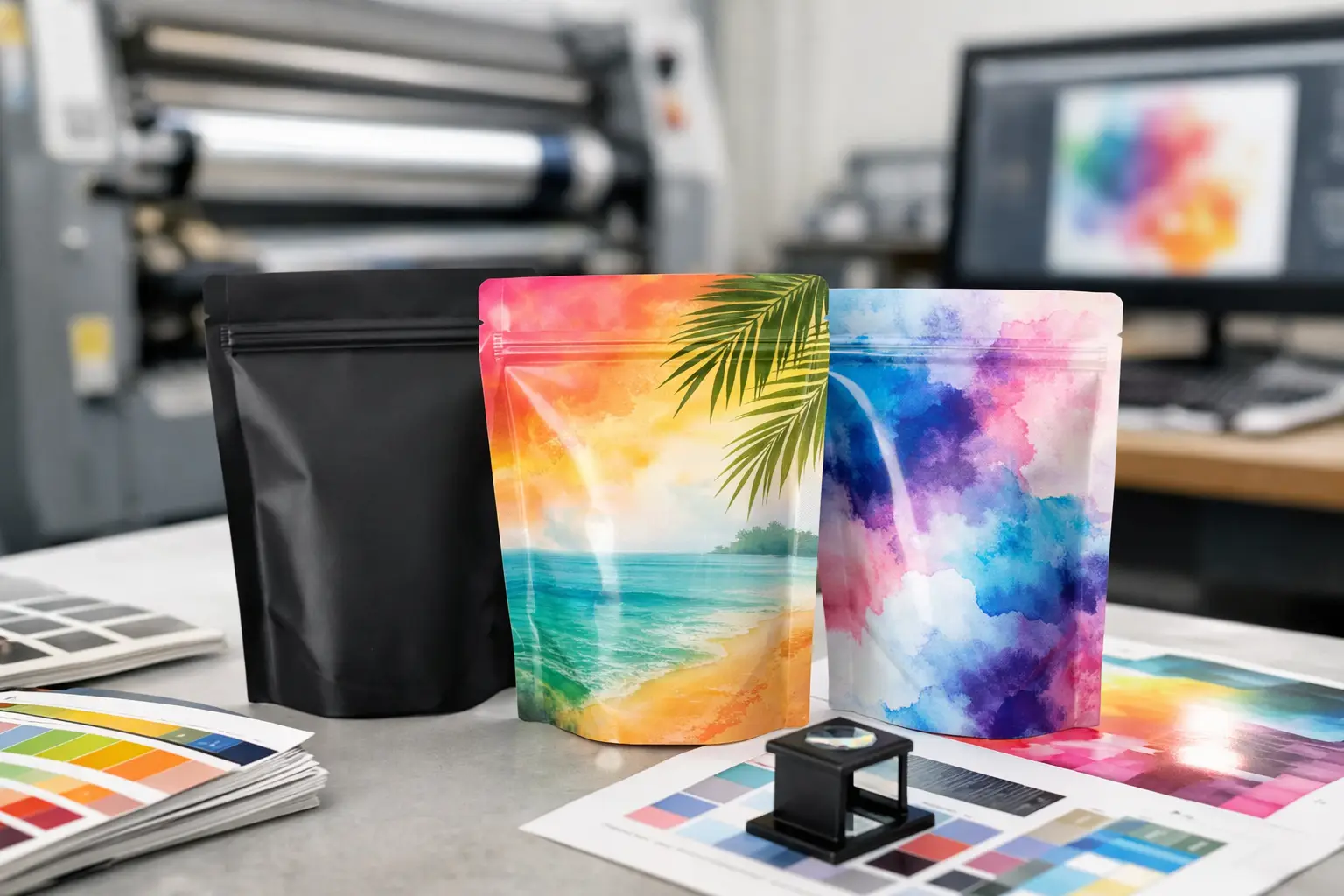
If you are pricing a new pouch for coffee, snacks, supplements, or pet products, the first number you hear is rarely the full story. How much does custom pouch printing cost depends on your pouch format, order volume, print method, material structure, and the finishing details required to make that package retail-ready.
For most brands, the real question is not just cost per pouch. It is what you need to spend to launch on time, protect the product, meet your shelf goals, and still leave room for margin. That is where many packaging estimates start to separate into useful numbers and misleading ones.
How much does custom pouch printing cost in real terms?
A small custom pouch run can cost anywhere from a few hundred dollars for simple short-run labeling or digitally printed packaging to several thousand dollars for higher-volume production with plates, specialty films, or multiple finishing steps. On a per-unit basis, many businesses will see custom pouches land somewhere between a few cents and over a dollar each, depending on size and complexity.
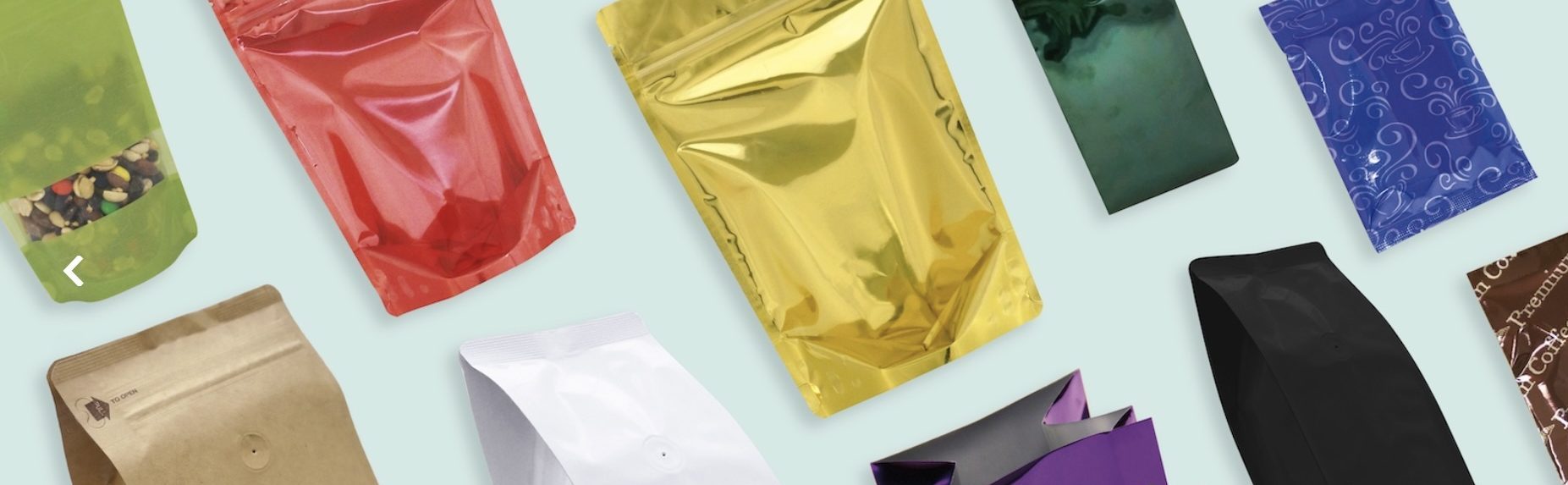
That wide range is normal. A compact flat pouch for samples is not priced like a multi-layer stand-up pouch with zipper, tear notch, hang hole, matte finish, and high-barrier film. A startup testing one SKU also will not buy at the same economics as a national brand ordering truckload quantities.
The most practical way to estimate cost is to look at the main pricing variables, because those are what move the quote.
The biggest factors behind custom pouch pricing
Print method changes the economics
Digital printing usually makes the most sense for lower minimums, faster launches, and SKU testing. It avoids plate charges in many cases, which lowers the barrier to entry for startups and smaller brands. If you need branded pouches quickly without committing to very large quantities, digital often produces the best short-run value even if the unit price is higher than long-run methods.
Flexographic and rotogravure printing generally become more competitive as volume increases. These methods often involve setup costs such as plates or cylinders, so the upfront investment is higher. The trade-off is lower unit pricing at scale, especially for repeat orders and larger production runs.
That is why two quotes can look very different. One supplier may optimize for low startup cost, while another quote may make more sense only if you are spreading setup costs across a large order.
Pouch style and size matter more than many buyers expect
Stand-up pouches typically cost more than simple flat pouches because they use more material and involve more converting steps. Gusseted bags, square bottom bags, and specialty retail formats can add further cost depending on construction.
Size also affects cost in obvious and less obvious ways. Larger pouches use more film, but they may also require stronger structures, wider webs, or different case pack considerations. A pouch built for 2 ounces of gummies and a pouch built for 5 pounds of pet treats do not live in the same cost bracket.
Material structure is a major driver
Material selection is about product protection first, but it directly affects price. A basic pouch structure may work for dry products with limited barrier requirements. Coffee, moisture-sensitive supplements, greasy snacks, and odor-sensitive products may need more advanced barrier layers.
If you need features such as puncture resistance, oxygen barrier, moisture barrier, light protection, or compostable film, your cost will rise. That does not mean you should default to the cheapest structure. Under-spec packaging can create spoilage, shelf-life issues, or product returns that cost far more than the packaging savings.
Quantity has the biggest effect on unit cost
This is where buyers often need the clearest guidance. Your first order may carry the highest unit cost because setup, short-run production, and logistics are spread over fewer pieces. As order quantities increase, cost per pouch often drops.
Still, cheaper per unit is not always cheaper for the business. If you buy too deeply on a new SKU, you tie up cash, storage space, and working capital in packaging that may need revisions later. For a market test, a shorter run at a higher unit price can be the smarter operational decision.
Finishing details add up
Zippers, tear notches, degassing valves, tin ties, hang holes, spot embellishments, and specialty coatings all affect price. So do application services if the pouch needs post-production work.
These details are often worth the spend when they improve usability or category fit. A coffee pouch without the right valve, for example, may not be viable. A hanging retail pouch may require a hang hole to fit the display plan. The point is to choose features with a business reason behind them, not just because they look good on a spec sheet.
Typical budget ranges brands should plan for
For a startup or small brand moving into custom packaging, a short digital run may be the most accessible starting point. That project might be budgeted in the low thousands, depending on pouch size, artwork count, and quantity. If the structure is simple and the graphics are straightforward, the initial investment may stay relatively contained.
For larger runs using flexographic or rotogravure printing, the upfront budget usually climbs because of setup costs and production minimums. In return, the unit economics improve. This is often where established brands land when they have stronger forecasting and stable artwork.
There is also a middle path that many growing companies use. They start with stock pouches plus labels, then move into digital custom pouches, then transition into conventional printing as volume justifies it. That progression helps control risk while building a more polished brand presence over time.
Hidden costs buyers should ask about early
The pouch quote is only part of your packaging cost. Buyers should also ask about freight, lead times, warehousing impact, proofs, plate charges, color matching requirements, and whether revisions trigger additional fees.
You also need to think about operational costs. If a pouch runs poorly on your filling equipment, the cheaper quote can become the expensive quote. Downtime, seal failures, inconsistent dimensions, and unusable case packs all create real cost inside your production line.
For regulated or specialty products, compliance requirements may shape the final spec as well. Child-resistant features, lot coding areas, or specific material requirements can affect price and should be accounted for before artwork is approved.
How to lower custom pouch printing cost without cutting corners
The simplest way to reduce cost is to simplify what does not need to be complex. Standard pouch sizes, common material structures, and realistic print volumes generally produce better pricing than highly customized specifications.
Artwork discipline matters too. Frequent design changes create waste and can delay production. If you have multiple SKUs, consider what can be standardized across the line and what truly needs to change from one pouch to the next.
It also helps to match the print method to the stage of the business. If you are testing a product, prioritize flexibility and speed. If you are reordering predictable volume, optimize for long-run economics. Good packaging decisions are rarely about chasing the lowest quoted number. They are about choosing the right production path for current demand.
This is where a consultative supplier can save money. A strong packaging partner can flag overbuilt structures, unnecessary features, or order quantities that do not align with your sales cycle. In many cases, that guidance is more valuable than a small price difference on paper.
When custom printing makes financial sense
Custom pouch printing usually starts making sense when branding, shelf presence, and operational consistency begin to affect growth. If your product is already selling and plain packaging is limiting retail presentation, custom print can be a practical upgrade.
It also makes sense when labeling stock bags becomes inefficient at scale, when multiple hand-applied components slow down operations, or when you need a more professional package for wholesale and retail buyers. At that point, the cost of custom printing may be offset by stronger presentation, better throughput, and a cleaner supply chain.
For many businesses, the right answer is not to jump straight into the largest possible custom run. It is to choose a packaging path that fits the stage you are in now and still supports the next stage of growth. Soestern Packaging works with brands in exactly that transition, from stock packaging and short-run branding to scalable custom printed solutions.
A good pouch quote should do more than tell you what packaging costs. It should help you see what your next move costs, what it protects, and what it makes possible.