




Packaging Insights
Custom Printed Flexible Packaging That Scales

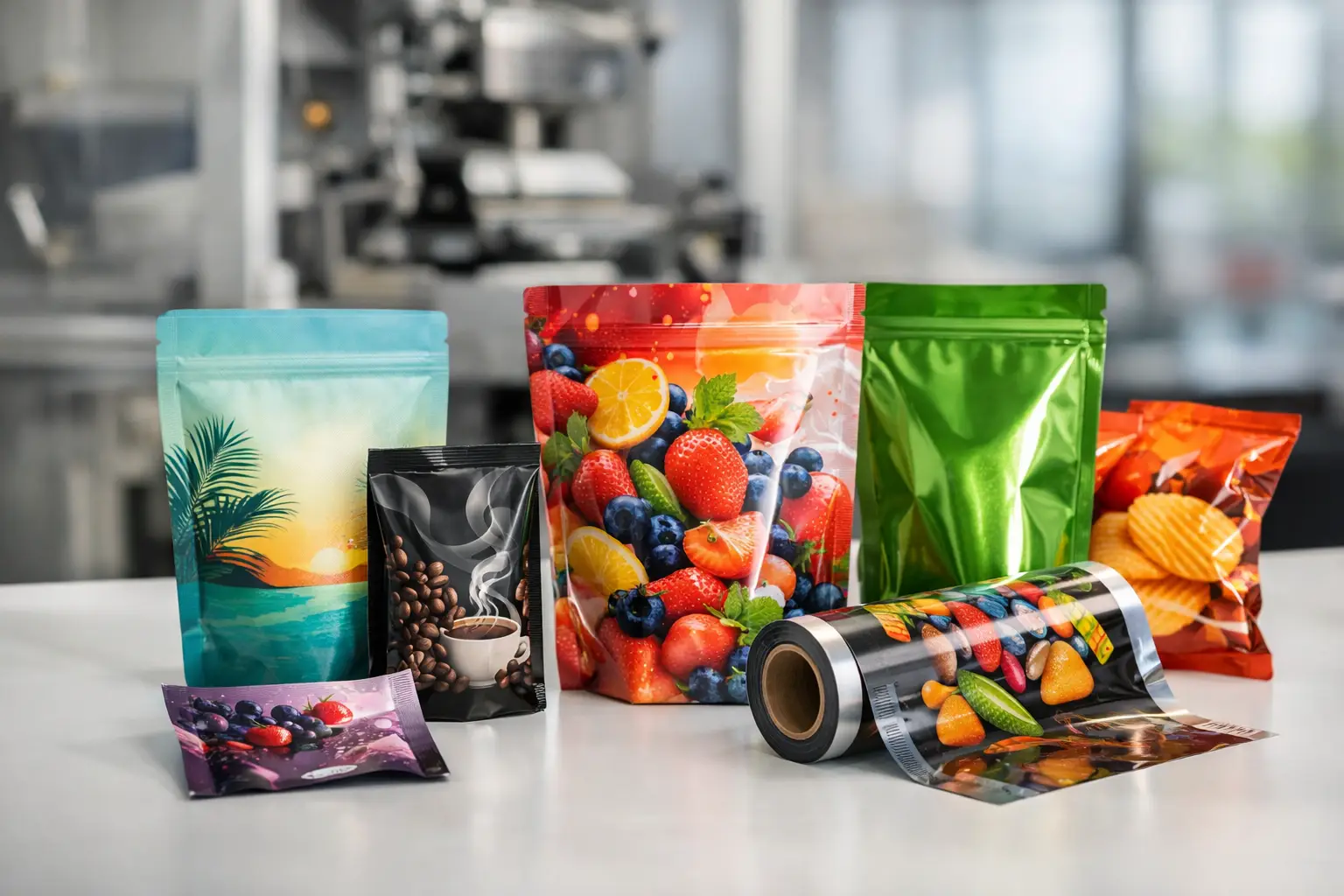
A plain pouch can get a product out the door. A branded pouch has to do more – protect the product, communicate the brand, meet filling requirements, and hold up as order volume grows. That is why custom printed flexible packaging is rarely just a design decision. For most brands, it is an operations decision with direct impact on speed to market, production planning, and margin.
For buyers in food, coffee, tea, pet products, supplements, and medical supply categories, the real question is not whether custom packaging matters. It does. The better question is when to move from stock packaging to printed packaging, and which print path makes sense for the stage your business is in.
Why custom printed flexible packaging matters
On the shelf or in an e-commerce box, packaging has a job to do fast. It needs to identify the product, support compliance where required, and make the item look ready for retail. Flexible packaging does this with less material than many rigid formats, and it often stores and ships more efficiently as well.
That efficiency is only part of the value. Custom printing gives brands control over how their product is perceived. A stand-up pouch with strong color, clear product information, and consistent finishing looks established. That matters when a buyer is comparing your product against competitors that already look polished.
There is also a practical side. Printed packaging can reduce the labor and inconsistency that come with applying labels by hand or managing multiple versions of plain stock bags. Once artwork, specifications, and print method are aligned, repeat ordering becomes easier to manage. For teams under pressure to keep production moving, that consistency matters as much as appearance.
When to move from stock to custom printed flexible packaging
There is no single trigger point, but there are clear signs. If you are reordering the same stock bag repeatedly, adding labels to every unit, or preparing for a wider retail rollout, it may be time to look at printed packaging. The same is true if your current package no longer reflects the quality of the product inside.
That said, moving too early can create avoidable pressure. Startups and emerging brands often benefit from using in-stock pouches or bags for initial market testing. It keeps upfront commitment lower and lets you learn what sizes, varieties, and claims actually move. After that, custom printing becomes a smarter investment because your packaging decisions are based on demand rather than assumptions.
This is where a flexible supplier model matters. Many growing brands need both options – stock packaging for speed and testing, then a clear path into custom production once volumes justify it.
Choosing the right format first
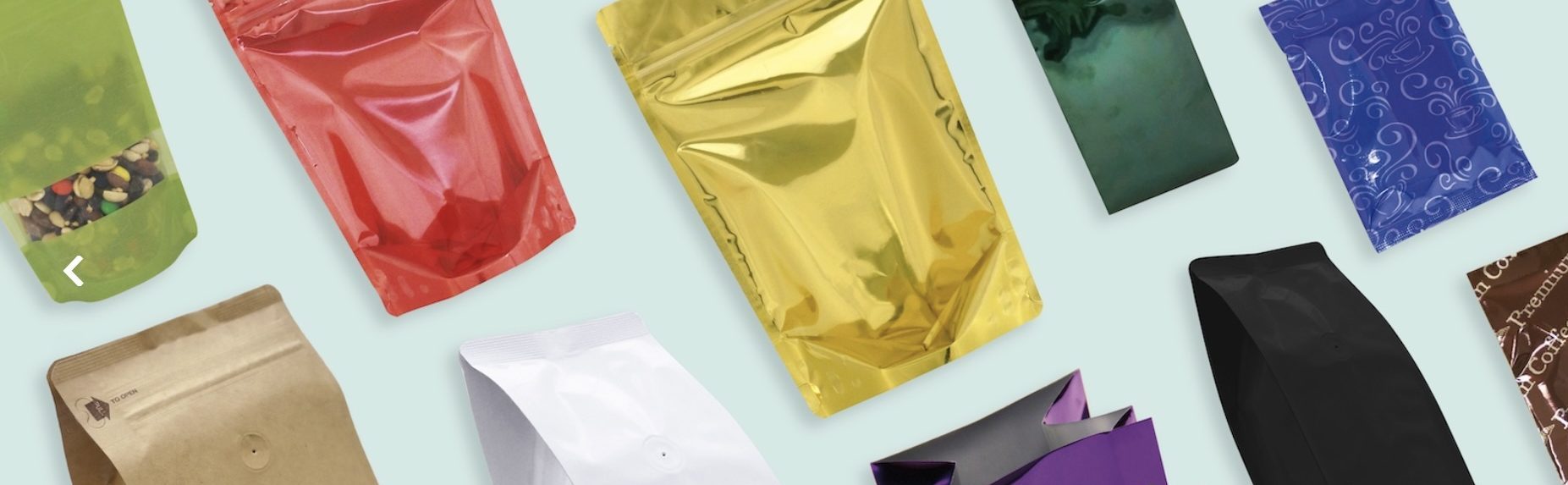
Before discussing print method, it helps to settle the packaging format. Structure affects filling, shelf presentation, shipping, and customer use. Stand-up pouches are popular because they display well and offer good billboard space for branding. Flat pouches can work well for single-use items, sample packs, and products where compact packing matters. Gusseted bags and square bottom bags are common in coffee and other products that benefit from a more traditional bag profile or higher fill volumes.
Roll film is a different conversation. It is often the best fit for operations already using automated form-fill-seal equipment and looking for efficiency at scale. The cost profile can be attractive at higher volumes, but the equipment and setup requirements make it less practical for every operation.
The point is simple: good artwork on the wrong package structure is still the wrong packaging decision. Function comes first.
Digital, flexographic, or rotogravure?
Print method should match order volume, artwork complexity, timeline, and budget. This is where many buyers either overbuy or underspec the job.
Digital printing
Digital printing is often the right fit for shorter runs, fast launches, and SKU testing. It allows brands to move into custom printed packaging without committing to the higher volumes usually tied to conventional print processes. It is useful when you need multiple varieties, seasonal runs, or packaging updates without carrying excess inventory.
The trade-off is that digital is not always the lowest unit cost at larger volumes. As demand stabilizes and quantities grow, another process may become more economical.
Flexographic printing
Flexographic printing is a strong option for established products with steady volume. It can deliver efficient pricing on larger runs and works well for brands that have moved beyond testing into repeat production. Lead times and setup are more involved than digital, so it tends to make more sense when artwork is stable and forecasts are more predictable.
Rotogravure printing
Rotogravure is typically reserved for very large programs where image quality, consistency, and long-run efficiency justify the investment. Not every brand needs it, and many do not need it yet. But for high-volume national programs, it can be the right manufacturing choice.
The best decision depends on where the product is today, not just where you hope it will be next year.
The details that affect performance
A printed pouch is more than a front panel graphic. Material construction, barrier needs, closure style, and finishing all affect whether the package performs in the real world.
Food and supplement brands may need specific barrier properties for freshness, aroma retention, or moisture protection. Coffee packaging may require degassing valves. Retail display plans may call for hang holes, tin ties, or hot foil accents. Some products benefit from compostable structures, but those choices need to be reviewed carefully against shelf life, storage conditions, and filling environment.
This is where experienced packaging support saves time. It is easy to focus on appearance and overlook practical issues like seal integrity, machine compatibility, or case pack efficiency. Those details usually show up later as production slowdowns, wasted material, or customer complaints.
Custom packaging should support operations, not complicate them
A common mistake is treating packaging as a one-time branding project. In practice, it becomes part of daily operations. Procurement has to reorder it. Production has to run it. Warehousing has to store it. Sales has to rely on it being available when purchase orders hit.
That is why lead times, inventory planning, and supplier responsiveness matter as much as print quality. A package that looks excellent but arrives late can disrupt a launch or leave a filler waiting. A supplier that can support both stock bags and custom runs gives buyers more options when forecasts shift or demand spikes unexpectedly.
For many companies, the strongest packaging strategy is phased. Start with stock packaging for speed. Add labeling or finishing as needed. Move into digital print for branded testing and smaller custom runs. Shift into flexographic or rotogravure production when volumes support it. That path reduces risk while keeping the brand moving forward.
What buyers should ask before placing a custom order
The smartest packaging conversations usually start with operations, not artwork. Buyers should be clear on unit volume, fill process, shelf requirements, regulatory needs, and whether the package is for retail, e-commerce, or both. Those answers shape the material and print recommendation.
It also helps to ask how future growth will be handled. If the supplier can only support a narrow slice of your needs, you may end up sourcing formats, printing, and application services from multiple vendors. That creates more coordination work and more room for delay.
A better approach is to work with a packaging partner that can support immediate needs while also planning for scale. That might mean stock inventory today, digital printing for the next launch, and added services like valve application, tin tie application, or hot foil stamping when the package needs a more finished retail presentation. Soestern Packaging is built around that kind of progression.
Where custom printed flexible packaging delivers the most value
The biggest return usually comes when printed packaging solves more than one problem at once. It improves brand presentation, yes, but it can also reduce manual labeling, simplify SKU management, improve fill line consistency, and create a cleaner path to retail expansion. Those gains are easier to measure than branding language, and they matter to operations teams just as much as marketing teams.
For growing brands, the goal is not simply to buy printed bags or rollstock. It is to choose packaging that fits the product, supports current production, and leaves room to scale without a complete reset six months later.
If your packaging is starting to lag behind your product, that is usually the right time to take a harder look. The strongest packaging decisions are not the most complicated ones. They are the ones that help your business move faster, sell better, and stay ready for the next order.