





Packaging Insights
One Way Valve Coffee Bags Explained


Fresh-roasted coffee can ruin the wrong bag fast. If you package too soon in a fully sealed pouch with no gas release, the bag can swell, distort, or fail. That is exactly why one way valve coffee bags matter. They give coffee roasters and private label brands a practical way to protect freshness while managing the natural degassing that happens after roasting.
For growing coffee brands, this is not a small packaging detail. The valve affects shelf life, bag appearance, filling operations, and the customer experience when the product lands on a retail shelf or arrives through e-commerce. If you are choosing packaging for whole bean coffee, and in some cases fresh ground coffee, the valve should be part of the initial packaging decision, not an afterthought.
What one way valve coffee bags actually do
A one-way valve allows carbon dioxide to escape from the bag without letting outside air back in. That single function solves a specific problem in coffee packaging. Fresh coffee releases gas after roasting, especially in the first several days. Without a valve, trapped gas can build pressure inside the package.
That pressure creates obvious issues. Bags can puff up, seals can get stressed, and package shape can become inconsistent in shipping cartons and on store shelves. More importantly, if a brand tries to avoid that pressure by delaying packaging too long, it gives away freshness. The valve helps bridge that gap by letting roasters package earlier while still protecting the product.
Oxygen is the bigger enemy over time. Once oxygen reaches the coffee, aroma and flavor quality start to decline. One way valve coffee bags support freshness by releasing internal gas while limiting oxygen ingress. When paired with the right barrier structure and a reliable seal, they are one of the most effective package formats for roasted coffee.
Why coffee brands choose one way valve coffee bags
The main reason is product protection, but the business case is just as strong. A good coffee bag has to do more than hold product. It has to work in production, stack well, present cleanly, and support the brand as volumes grow.
Valve bags help operations teams package roasted coffee with more confidence. That matters if you are managing short roasting cycles, seasonal blends, multiple bag sizes, or mixed retail and direct-to-consumer channels. A package that looks sharp on the shelf but creates filling bottlenecks is not really doing its job.
There is also a visual advantage. Consumers often associate a valve bag with fresher coffee, especially in specialty and premium categories. That does not replace good roasting and proper barrier materials, but it does reinforce quality expectations. For many brands, the valve has become part of the standard coffee package profile customers expect.
When a valve is necessary and when it depends
For freshly roasted whole bean coffee, a valve is often the right choice. Whole beans continue releasing carbon dioxide after roasting, and the valve helps manage that process without exposing the product to oxygen. In most retail coffee programs, this is the default packaging direction.
For ground coffee, it depends on the roast profile, production timing, fill schedule, and target shelf life. Ground coffee generally loses volatiles faster because of increased surface area, so barrier performance is critical. Some ground coffee applications still benefit from a valve, especially when packed soon after roasting. Others may use a different packaging approach based on process controls and distribution speed.
If your coffee is not being packed fresh after roasting, or if the degassing period is managed before filling, you may not need a valve in every SKU. But that decision should be based on product behavior and logistics, not guesswork. The wrong choice can lead to avoidable spoilage, package distortion, or a shorter useful shelf life than your sales team expects.
Bag formats that work well with valves
The valve is only one part of the package. Coffee brands still need to choose a bag format that fits their fill method, shelf presentation, and shipping profile.
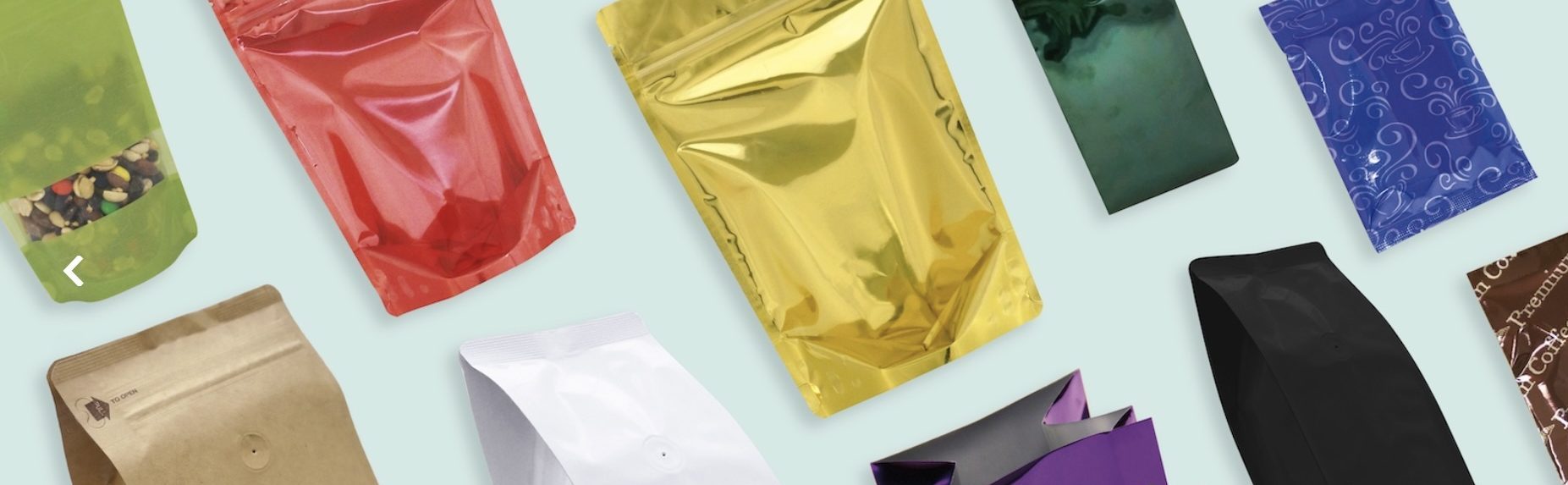
Stand-up pouches are a common option for smaller retail sizes because they present well and use shelf space efficiently. Side gusseted bags remain a strong choice for traditional coffee packaging and larger volumes. Square bottom bags offer a premium look with stable shelf presence and efficient case packing. Flat pouches can work for sample packs or smaller specialty runs, though they are less common for primary coffee packaging where a broader retail footprint is needed.
The best format depends on how you sell. A boutique roaster focused on retail display may prioritize shelf impact. A subscription brand may care more about cube efficiency and mailer fit. A wholesale coffee program may focus on larger pack sizes and filling speed. In each case, the valve needs to work with the bag structure, not just be added to it.
Barrier matters as much as the valve
A valve does not fix a low-barrier package. Coffee is sensitive to oxygen, moisture, light, and odor transfer, so the film structure matters just as much as the degassing feature.
If the material lacks sufficient barrier properties, the valve bag may still underperform. The product can lose aroma, absorb external odors, or stale faster than expected. Foil structures, metalized films, and other high-barrier laminations are common choices for coffee because they provide stronger protection. Paper-based options can also work when they include the right barrier layers, especially for brands balancing shelf appeal with performance.
This is where packaging selection becomes more commercial than cosmetic. A bag may look premium online, but if it cannot maintain product quality through production, warehousing, and distribution, it creates a downstream cost. Claims, returns, customer complaints, and damaged brand perception are more expensive than choosing the right structure at the start.
Operational factors buyers should evaluate
Coffee packaging decisions usually involve more than marketing. Operations and procurement teams need a bag that runs reliably and scales cleanly.
Valve placement should be consistent and appropriate for the bag format. Sealability matters, especially if you are using different fill weights or changing equipment settings between SKUs. Bag dimensions need to match your product density and target headspace. If the bag is too large, it can look underfilled. If it is too small, you create sealing problems or stress the package after filling.
Lead time is another real factor. Some brands need stock bags for immediate launches or market testing, then move into custom printed runs once demand is proven. That transition works best when your packaging supplier can support both stages without forcing a full reset in format or specifications. For coffee brands trying to scale without creating purchasing friction, that flexibility is valuable.
Stock vs. custom one way valve coffee bags
Stock valve bags make sense when speed matters. They are useful for startups, seasonal runs, test markets, and brands that need packaging in stock and ready to ship. They also reduce risk when you are still dialing in fill weights, roast programs, or label design.
Custom bags become more attractive when your volumes are stable and branding needs to do more work on the shelf. Printed graphics, finish options, and format details can help create a stronger retail presence and a more consistent brand system across SKUs. The trade-off is usually longer lead times and a higher planning requirement.
For many businesses, the smart path is staged. Start with stock packaging, validate demand, and then transition to custom printed valve bags once reorder patterns justify the move. That approach protects cash flow while giving the brand room to grow. It is also one reason buyers look for a packaging partner that can support short-term speed and long-term scale in the same supply relationship.
Common mistakes coffee brands make
One of the most common mistakes is treating the valve as the only freshness feature that matters. It is not. The full package needs to be considered together: material barrier, bag format, seal integrity, fill timing, and storage conditions.
Another mistake is choosing a package based only on appearance. A sleek matte pouch may look right for a premium roast, but if it does not run well on your line or hold up through distribution, it creates unnecessary cost. The best coffee packaging balances presentation with performance.
Brands also run into trouble when they order too far ahead without validating specs. If the bag size, valve configuration, or material structure is not right, excess inventory becomes expensive quickly. That is where a consultative supplier can help narrow options before a buyer commits to a large run.
For coffee brands that need both immediate supply and a path to custom growth, Soestern Packaging supports that progression with stock packaging, custom capabilities, and value-added application services built around real production needs.
The right coffee bag should do quiet work every day – protect freshness, run cleanly, ship well, and make the product look ready for market. If your packaging can do all four, you are not just buying a bag. You are buying fewer headaches as your coffee business grows.