




Packaging Insights
Flat Pouches for Food Packaging Explained

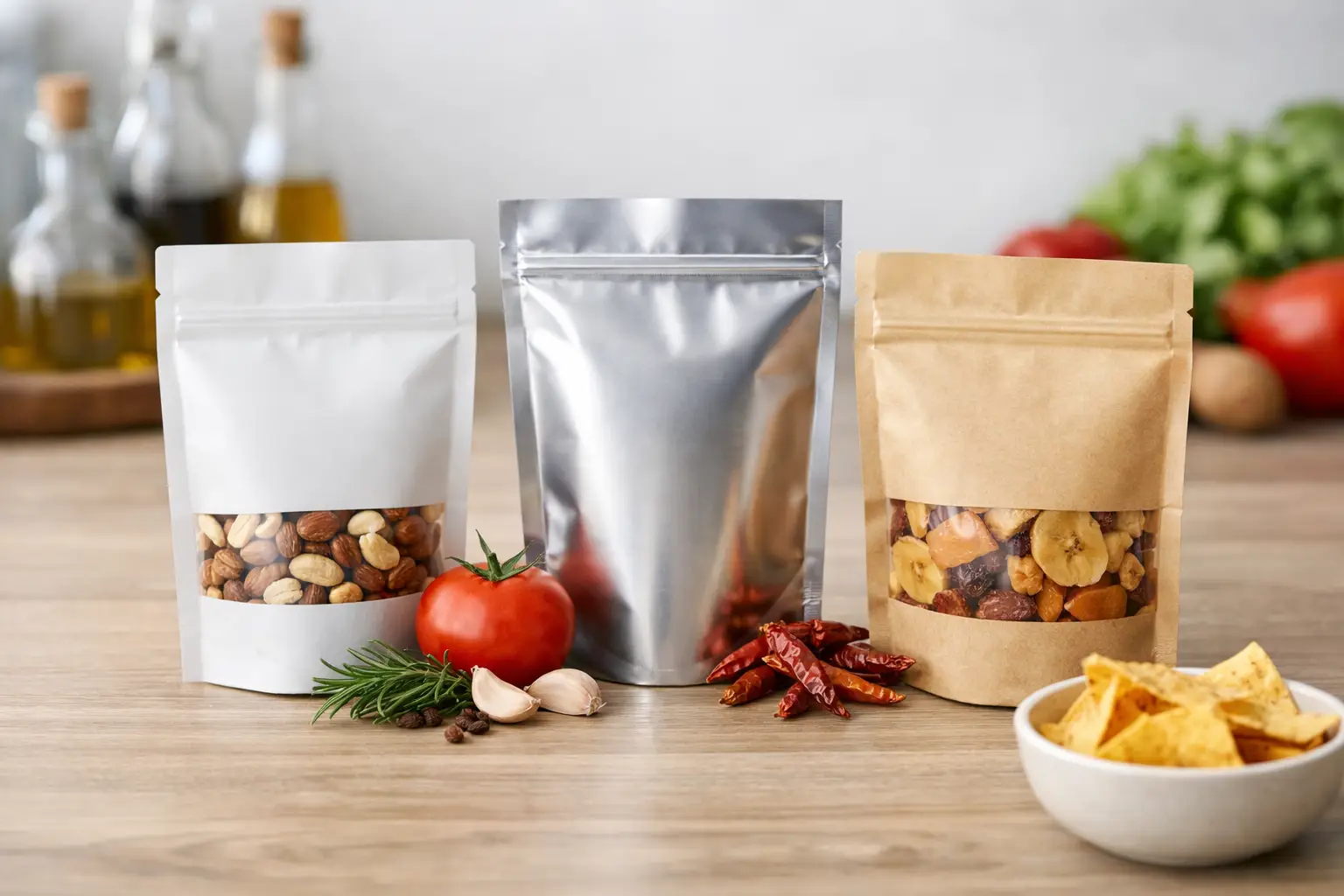
A new food product rarely fails because the recipe was bad. More often, it struggles because the packaging did not match the product, the sales channel, or the pace of the business. That is where flat pouches for food packaging earn their place. They give brands a practical format for portion packs, single-serve items, samples, dry goods, and a wide range of retail-ready products without forcing unnecessary packaging cost or complexity.
For food brands trying to move quickly, flat pouches solve a basic operational problem. They are compact, efficient to store, and straightforward to fill and seal. Just as important, they create a clean surface for branding, compliance details, and product information. For startups testing a first SKU and for established companies adding line extensions, that combination matters.
Why flat pouches for food packaging work
Flat pouches are exactly what they sound like – a pouch format with a slim profile and no bottom gusset for shelf standing. They are commonly used for powders, snacks, spices, baked goods, candies, mixes, and sample packs. In many cases, they make more sense than a stand-up pouch because the product does not need a larger footprint or the brand is prioritizing low material use, lighter shipping weight, or a simpler presentation.
This format works especially well when product volume is controlled and consistency matters. If you are selling a seasoning packet, a drink mix, a trial-size granola portion, or a heat-sealed bakery item, a flat pouch can deliver the protection you need without excess package structure. That helps with both packaging efficiency and unit economics.
There is also a speed advantage. Brands that need in-stock packaging for pilot runs or short-term demand can often get moving faster with flat pouches than with more complex custom formats. Once a product proves itself, the pouch can evolve with custom printing, labeling, or added features based on the next phase of growth.
When a flat pouch is the right choice
Not every product belongs in a flat pouch. If you need strong shelf presence in a crowded retail set, a stand-up format may outperform it. If your product is bulky or requires higher fill volume, gusseted or square bottom bags may be a better operational fit. But flat pouches are a strong option when you need controlled capacity, efficient case packing, and a clean, compact package.
They are often chosen for products sold in hanging displays, countertop bins, carton inserts, subscription boxes, and multipack systems. They also fit brands that are managing freight closely. Because they store flat before filling and tend to use less material than larger flexible formats, they can help reduce warehouse space and shipping burden.
This is where the trade-off becomes clear. A flat pouch may save space and cost, but it does not always deliver the billboard effect of a larger package on shelf. For some brands, that is acceptable because the product is sold online, sampled directly, or merchandised in trays or secondary packaging. For others, visual impact is worth paying more for.
Material and barrier decisions matter
The pouch shape is only one part of the decision. Food packaging performance depends heavily on the film structure. A flat pouch used for dry candy has very different needs than one used for coffee samples, powdered supplements, or moisture-sensitive seasoning blends.
Barrier requirements depend on what you are protecting against – oxygen, moisture, light, aroma loss, grease migration, or some mix of them. A simple dry product with fast turnover may not need an aggressive barrier structure. A product with oils, delicate flavor compounds, or longer shelf-life targets probably will.
This is where buyers should slow down and ask practical questions. How long will the product sit in distribution? Will it be exposed to humidity? Is it going into retail, e-commerce, or both? Does the product need heat sealing only, or should the pouch include features like a hang hole for merchandising? The best pouch is not the one with the most layers or the highest price. It is the one that protects the product appropriately while supporting your fill process and margin targets.
Branding potential without overcommitting
One reason flat pouches remain popular with growing brands is flexibility. You can start with stock packaging and pressure-sensitive labels to get a product into market quickly. That keeps initial investment lower and gives the brand room to test flavor names, sizing, pricing, and retail response before committing to larger print volumes.
Once sales data starts coming in, the same format can transition into custom printed pouches through digital printing, flexographic printing, or rotogravure, depending on volume and artwork needs. That step matters because packaging is doing more than containing food. It is also carrying your logo, required labeling, usage instructions, lot coding strategy, and shelf appeal.
For brands in regulated or detail-heavy categories, print real estate matters. Flat pouches provide a simple front and back panel layout, which can make it easier to organize required information than on smaller rigid containers or oddly shaped packages. Clean design is not just about appearance. It affects readability, compliance, and buyer confidence.
Operational advantages for growing brands
Food companies do not just buy packaging formats. They buy lead times, inventory options, fill-line compatibility, and room to scale. Flat pouches support that mindset well because they fit across multiple stages of growth.
At launch, they are useful because they let brands move without waiting on a long custom packaging cycle. During market testing, they support short runs and seasonal products. As the business grows, they can remain in the mix for sample sizes, travel sizes, secondary SKUs, and promotional packs even if the hero product shifts into another format.
They also tend to be easier to integrate into semi-manual and automated sealing operations. That matters for brands still packing in-house as well as co-packers trying to maintain throughput. A pouch that looks good but causes slow filling, poor seal consistency, or excess scrap is not really cost-effective.
The strongest packaging decisions usually come from looking at the full workflow. Can the pouch be sourced quickly? Will case counts align with your production schedule? Does the material seal reliably on your equipment? If demand increases, can you move from stock to custom without changing suppliers and restarting the qualification process? A supplier that can support each stage reduces friction.
Common food applications for flat pouches
Flat pouches are used across more food categories than many buyers realize. They are common for spice blends, powdered drink mixes, jerky, dried fruit, candies, nutrition add-ins, tea sachets, cookie packs, granola portions, and bakery items. They are also useful for sampler assortments and promotional kits where several small units are bundled together.
What changes from one application to the next is not the basic pouch concept but the specification. Size, seal width, tear notch placement, film barrier, finish, and print method all affect performance. A matte finish may support a premium natural-food look, while a glossy surface may better fit candy or impulse snack packaging. A hang hole may make sense for peg displays, while a clean top seal may be better for carton-packed units.
That is why packaging selection should stay tied to the product and the selling environment. There is no single best flat pouch for every food brand.
Choosing a supplier for flat pouches for food packaging
The format itself is only half the equation. Supplier capability matters just as much. Brands need a partner that can provide in-stock options for speed, custom production when the timing is right, and support services that keep packaging aligned with real production needs.
That means looking beyond price per thousand. Evaluate whether the supplier can help with printing transitions, finishing options, application services, and packaging equipment support if needed. Reliable inventory and realistic lead times are often worth more than a slightly lower unit cost from a source that cannot respond when demand changes.
For many brands, the best path is staged. Start with stock pouches for testing. Add labels or simple branding to validate the product. Move into custom printed packaging when reorder volume and market confidence justify it. Companies like Soestern Packaging are built around that progression, which is often more useful than forcing a brand into a custom program before the business is ready.
Flat pouches do not need to be flashy to be effective. When the size, film, seal, and branding strategy are aligned, they become one of the most efficient tools in a food packaging program – practical at launch, dependable in production, and flexible enough to grow with the business.