





Packaging Insights
Stock Stand Up Pouches Wholesale Buying Guide


When a product launch is waiting on packaging, long lead times are not a small inconvenience – they are a revenue problem. That is why many growing brands start with stock stand up pouches wholesale instead of jumping straight into a large custom run. You get a proven package format, faster availability, and room to test what actually sells before committing to higher volumes.
For operations teams, founders, and packaging buyers, that decision is usually less about aesthetics and more about timing, cash flow, and flexibility. A stock pouch can get product on shelves, support e-commerce fulfillment, and buy time for a more developed branding plan. Used well, it is not a compromise. It is a practical stage in a smarter packaging strategy.
Why stock stand up pouches wholesale make sense
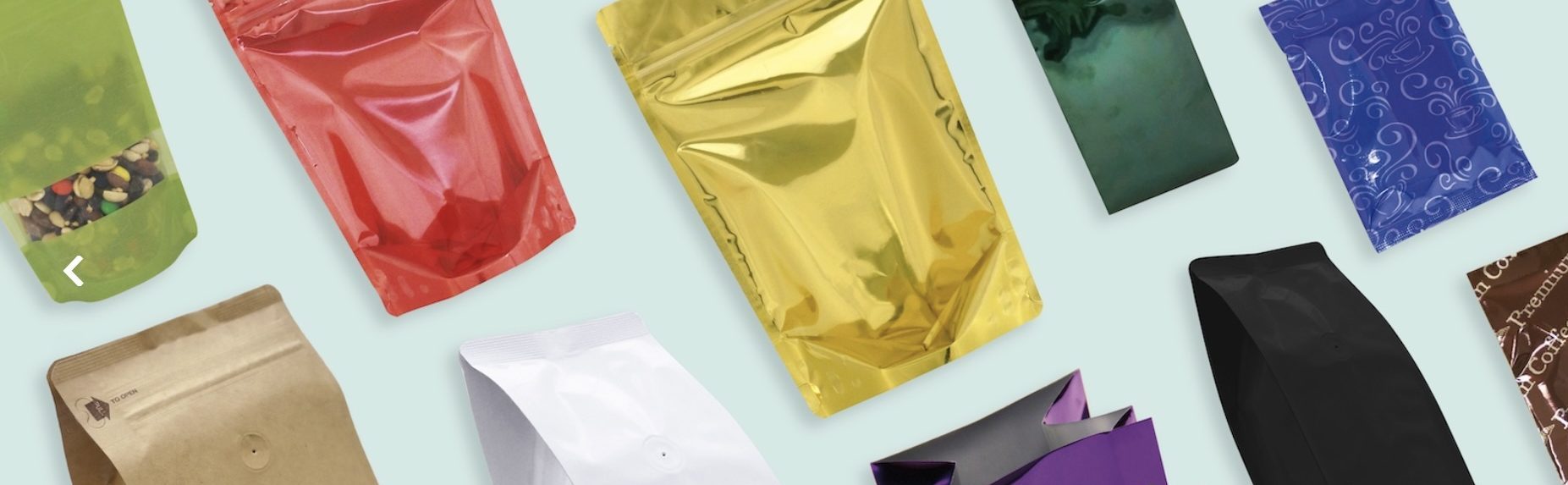
Stand up pouches remain one of the most efficient formats for dry goods, powders, snacks, coffee, tea, pet products, supplements, and many specialty packaged items. They ship efficiently, display well, and offer a strong balance of product protection and shelf presence. Buying them at wholesale quantities improves unit economics while keeping the format accessible for brands that are not ready for full custom printing.
The biggest advantage is speed. If pouches are already in stock, you avoid the delays tied to custom plate creation, artwork approval, and extended production schedules. That matters when you are launching a new SKU, replenishing unexpectedly, or responding to seasonal demand.
There is also less financial exposure. A wholesale stock order usually requires less commitment than a custom run, which helps businesses protect working capital. If you are still refining product-market fit, adjusting fill weights, or testing channels, lower packaging risk is a real operational benefit.
What buyers should evaluate before ordering
Not all stock pouch programs solve the same problem. Some are built for immediate shipment and straightforward use. Others are a bridge to branded packaging through labeling, hot foil stamping, or later-stage custom printing. The right choice depends on what you need the pouch to do now and what you expect six months from now.
Barrier performance and product fit
The first question is product protection. A pouch that looks right but offers the wrong barrier can shorten shelf life, affect freshness, or create handling issues in transit. Coffee, powdered supplements, dehydrated foods, and pet treats all have different sensitivity to moisture, oxygen, light, and aroma loss.
For some products, a basic barrier structure may be enough. For others, foil or high-barrier constructions are worth the added cost. This is where wholesale buying should still be consultative. A lower unit price does not help if the package underperforms in distribution or on the shelf.
Size, fill volume, and headspace
Capacity is another area where assumptions create problems. A pouch advertised by ounce size may perform differently depending on product density. Fine powders, whole beans, gummies, and jerky do not occupy space the same way. Buyers should evaluate actual fill testing, not just listed volume.
Headspace matters too. Too much empty space can make the package look underfilled and unstable. Too little can affect seal integrity and machine efficiency. Good pouch selection supports both presentation and throughput.
Closure and convenience features
Resealable zippers, tear notches, hang holes, and degassing valves are not decorative add-ons. They affect usability, merchandising, and category fit. Coffee packaging often needs a one-way valve. Retail peg display may require a hang hole. Multi-use products benefit from a reliable zipper.
The trade-off is cost and complexity. Extra features can improve function, but they should support a real business need. If you are selling a single-use sample pack, a zipper may add unnecessary expense. If you are selling a premium pet treat product, resealability may be expected.
Stock stand up pouches wholesale vs custom packaging
For many businesses, this is not an either-or decision. It is a sequence.
Stock stand up pouches wholesale work well for new product introductions, short-run market tests, and urgent replenishment. They help brands move quickly without pausing growth for a full custom development cycle. They are also useful when multiple SKUs share the same pouch structure and only the product identity changes through labels or applied finishing.
Custom packaging becomes more attractive when volume is stable, branding needs are more defined, and unit economics improve at scale. Printed pouches can strengthen shelf recognition, reduce labeling steps, and support a more polished retail presentation. But custom is not automatically the better starting point. If forecasts are still shifting, stock packaging often gives buyers more control.
A practical supplier should be able to support both stages. That continuity matters because packaging strategies usually evolve with the business. A startup testing two SKUs today may need digital print, valve application, or roll film support later. Buyers benefit when the path from stock to custom does not require starting over with a new vendor.
Where wholesale purchasing creates real value
The term wholesale can be misleading if buyers treat it as price alone. Real wholesale value is a combination of unit cost, lead time, inventory availability, and service reliability. A lower price means little if the product is backordered, inconsistent, or not right for the application.
For business buyers, wholesale purchasing becomes more valuable when it reduces friction across the operation. That can mean ordering by case quantities that align with production runs, choosing in-stock formats that avoid line stoppages, or consolidating materials and accessories from one supplier. It can also mean having access to finishing services that help plain stock pouches become market-ready faster.
This is especially relevant for brands managing growth in stages. You may need plain stock pouches for an upcoming run, labels for a temporary promotion, and a plan for custom printed inventory next quarter. Working with a supplier that can support all three reduces handoff delays and purchasing complexity.
Common mistakes buyers make
One common mistake is buying on dimensions alone. Two pouches with similar measurements can behave differently based on material structure, bottom gusset design, zipper placement, and seal area. If a package needs to stand consistently, survive parcel shipping, or run on filling equipment, those details matter.
Another mistake is overcommitting too early. It is tempting to chase the lowest unit cost through larger volume, but that only works if demand is predictable. If branding changes, formulas shift, or a product does not perform as expected, excess packaging inventory becomes expensive dead stock.
Some buyers also separate packaging from operations when they should be evaluating both together. A pouch that looks great but slows filling, creates seal failures, or complicates labeling can increase total cost. The better question is not just what the package costs. It is what the package costs to use.
Choosing a supplier for stock stand up pouches wholesale
Business buyers should expect more than a catalog and a ship date. A strong supplier helps narrow the format, confirms application fit, and supports a packaging path that makes sense for current demand and future growth.
That means asking practical questions. Is the inventory actually in stock and ready to ship? Are the materials suitable for your product category? Can the supplier support custom printing later if your volume grows? Do they offer finishing or application services that reduce extra vendor coordination? Can they support regulated or specialty categories where consistency and documentation matter more?
For many brands, reliability is the deciding factor. The pouch itself may be standard, but dependable availability, responsive service, and scalable support are not. Soestern Packaging works well for businesses that want that kind of continuity – immediate access to stock packaging today, plus the capability to move into branded production when the time is right.
When stock is the smart long-term choice
Not every business needs to transition away from stock packaging. Some product lines are best served by blank or standard pouches with applied labels, especially when SKU counts are high, artwork changes often, or seasonal flexibility is a priority. In those cases, stock can remain the most efficient model long term.
That is particularly true for brands running frequent tests, contract packers serving multiple clients, or companies with regional and promotional packaging variations. Custom print may still have a place, but stock formats can provide the flexibility that fixed printed inventory cannot.
The best packaging decisions usually come from matching the format to the stage of the business, not forcing every product into the same model. If speed, control, and reduced risk are the immediate priorities, stock stand up pouches wholesale are often the right place to start – and sometimes the right place to stay.
Packaging should help your operation move, not slow it down. The right pouch program gives you room to launch, adjust, and grow with fewer avoidable delays.