


Packaging Insights
Digital Printed Stand Up Pouches for Growth

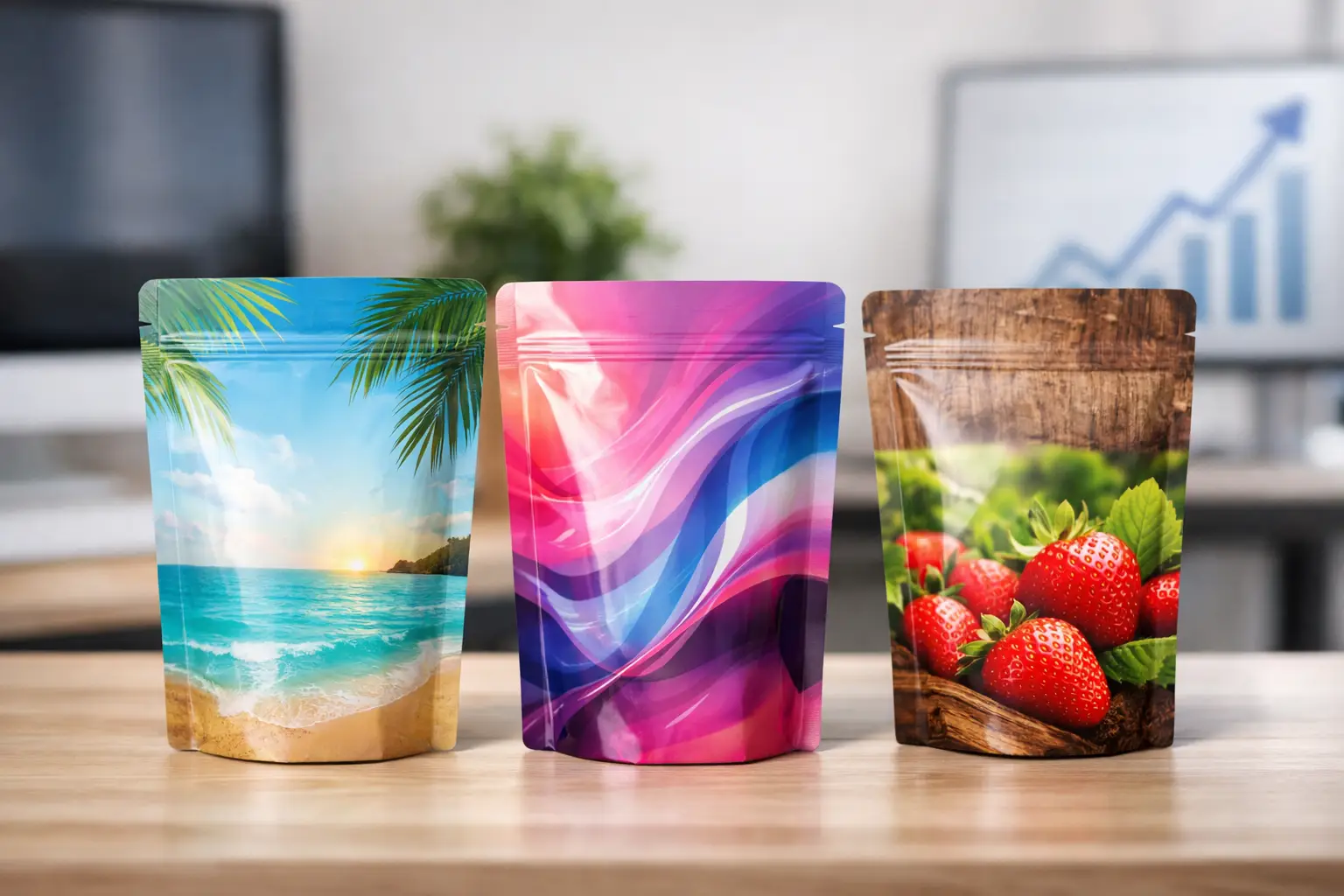
A new product rarely fails because the formula was wrong. More often, it stalls because the packaging took too long, cost too much, or forced the brand into a print run that did not match real demand. That is where digital printed stand up pouches make business sense. They give growing brands a faster path to branded packaging without the long lead times and high minimums that can slow down a launch.
For companies selling coffee, tea, snacks, supplements, pet products, and specialty goods, that speed matters. Packaging is not just a container. It affects shelf presence, shipping efficiency, production planning, and how quickly a business can move from a test batch to a wider rollout. Digital printing gives buyers more control over that transition.
Why digital printed stand up pouches work so well
Stand up pouches already solve several practical problems. They display well, store efficiently, and offer a large printable surface without the bulk of rigid packaging. When digital printing is added, the format becomes even more useful for brands that need flexibility.
Traditional print methods still have an important place in packaging, especially for larger volume programs. But they often require higher setup costs, longer lead times, and larger order quantities to make the economics work. Digital printing changes that equation. It allows brands to produce custom packaging in smaller runs, make artwork changes more easily, and respond faster to sales data.
That matters when a company is testing a seasonal coffee blend, launching a new supplement flavor, or creating separate packaging for multiple SKUs. Instead of ordering more packaging than the market can support, buyers can order closer to actual need. That helps control inventory exposure while still presenting a polished, retail-ready package.
Where digital printing fits in a growth plan
For many businesses, packaging needs change in stages. Early on, speed is the priority. A company may start with stock bags to get product moving, then shift into branded packaging once demand is proven. Digital printed stand up pouches fit naturally into that middle stage.
They are often the right choice when a brand has enough traction to invest in custom packaging, but not enough volume to justify a long flexographic or rotogravure run. This is especially common with startups, regional brands, and established companies testing line extensions.
Digital printing is also useful when packaging artwork changes often. A regulated product may need updated compliance text. A food brand may rotate flavors. A private label program may require short runs for several customers. In each case, the ability to print efficiently without committing to a massive order can reduce waste and simplify planning.
The operational advantages buyers care about
From a procurement and operations standpoint, digital printing is attractive for one reason above all: it reduces friction. There is less pressure to forecast far into the future, and less risk of sitting on obsolete inventory if packaging details change.
Lead time is another major factor. When brands are trying to hit a launch date or replenish a fast-moving SKU, waiting on packaging can create avoidable delays. Digital programs are generally faster to move through than conventional print projects because they avoid the same level of plate setup and extended production prep.
Cash flow is part of the equation too. Tying up capital in oversized packaging orders can create problems for growing brands, especially those expanding into retail or managing multiple channels at once. Smaller custom runs allow companies to preserve working capital for inventory, marketing, and fulfillment.
There is also an internal benefit that buyers do not always mention at first: better decision-making. Shorter runs make it easier to test design changes in the market. A brand can compare graphics, messaging, finishes, or SKU structure and make better choices before committing to larger-scale production.
What to evaluate before ordering digital printed stand up pouches
Not every pouch program is the same, and digital printing is not automatically the right answer for every product. The right decision depends on volume, product type, barrier requirements, and where the item will be sold.
Start with the pouch itself. Size, fill weight, and format all matter. A pouch for ground coffee has different needs than a pouch for protein powder or pet treats. Buyers should consider whether they need features such as resealable zippers, tear notches, clear windows, hang holes, or degassing valves. Those details affect both user experience and pack line compatibility.
Barrier performance is just as important. If the product is sensitive to oxygen, moisture, aroma loss, or light exposure, the film structure needs to support that requirement. Good printing means very little if the package does not protect the product through distribution and shelf life.
Artwork readiness should also be reviewed early. Digital printing is efficient, but it still depends on clean files, correct dimensions, and a clear understanding of how the design wraps across the pouch. Buyers who involve packaging experts at the beginning usually avoid the most expensive mistakes, especially around panel space, seal areas, and compliance copy.
Trade-offs to understand before you commit
Digital printing is flexible, but it is not a universal replacement for other print methods. At higher volumes, flexographic or rotogravure printing may deliver a lower unit cost. If a company is running a stable, high-volume SKU with no expected artwork changes, conventional printing can be the better long-term fit.
There can also be differences in finish options, color expectations, and production economics depending on the job. For some applications, digital is ideal because speed and lower minimums outweigh everything else. For others, a buyer may decide to use digital for the launch phase and then transition into another print process once demand becomes predictable.
That is why the best packaging decisions are usually made with a scale plan in mind. A supplier should be able to help a brand move from stock packaging to digital print and then to larger custom runs when the timing is right. That kind of pathway matters more than choosing a single print method in isolation.
Digital printed stand up pouches in real business use
A coffee roaster introducing three new single-origin offerings may not want to buy large volumes of each bag design before seeing which one moves. Digital printing lets the company bring all three to market with professional branding and a manageable inventory position.
A supplement brand expanding from direct-to-consumer into retail may need a packaging update that looks more established on shelf, but still wants the freedom to revise claims or panel layouts after retailer feedback. Again, digital printing supports that shift without forcing the brand into excess packaging.
A pet treat company running seasonal or limited-edition SKUs faces a similar challenge. These products benefit from strong visual impact, but ordering too many printed bags for a short sales window creates unnecessary risk. Short-run custom packaging gives the brand a cleaner way to test demand.
This is where a supplier like Soestern Packaging can add practical value. Businesses do not always need just a bag. They often need a path – from in-stock packaging for immediate needs to custom printed formats and finishing services that support scaling.
Choosing a packaging partner, not just a print source
When buyers compare packaging suppliers, print quality is only one part of the decision. Reliability matters just as much. Can the supplier support repeat orders? Can they help align pouch specifications with the product and filling process? Can they support growth instead of forcing a brand to switch vendors every time volume changes?
That is especially important for companies managing multiple SKUs or selling across retail, e-commerce, and wholesale channels. The packaging partner should understand not only how the pouch looks, but how it performs in production, distribution, and on shelf.
A dependable partner also helps buyers think ahead. If a current SKU is likely to scale quickly, the supplier should be able to explain when digital remains the right fit and when another print process may become more economical. That kind of guidance reduces rework and supports smarter purchasing.
The strongest packaging programs are usually built in stages. Start with what gets the product moving. Add branding when the market is ready. Scale into larger production methods when demand justifies it. Digital printed stand up pouches sit at a very useful point in that progression because they give brands speed, control, and a professional market presence without requiring a full-volume commitment too early.
If your next packaging decision needs to balance branding, timing, and inventory risk, that is a good place to start asking better questions.