




Packaging Insights
Printed Bags With Low Minimums That Work

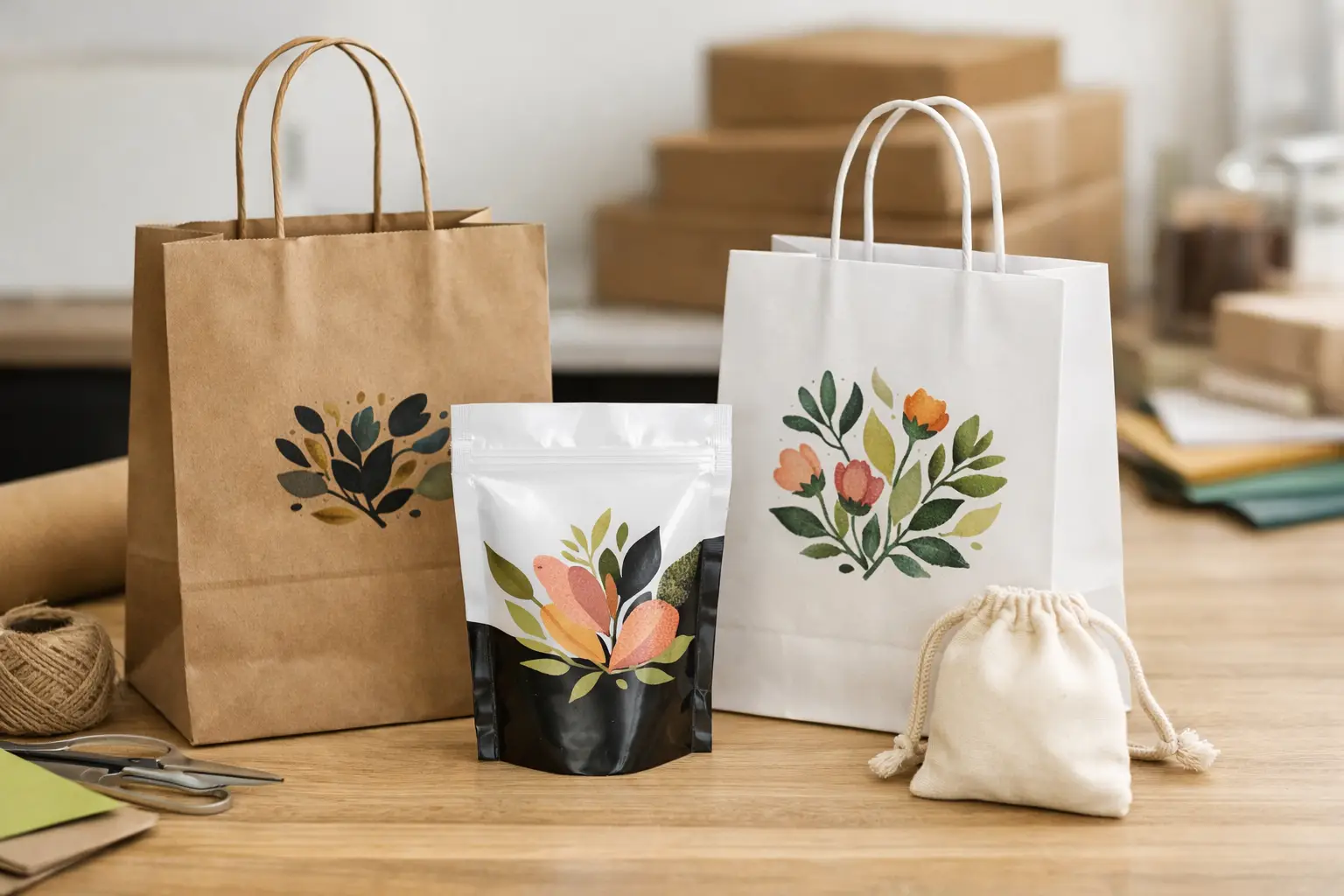
A new product is ready, the formula is approved, and sales wants samples in hand next week. Then packaging becomes the bottleneck. That is exactly why printed bags with low minimums matter. They give brands a practical way to get to market without tying up cash in oversized runs, excess inventory, or artwork decisions that may change after the first launch.
For many product companies, the real packaging challenge is not finding a bag. It is finding the right path from test phase to scale. Startups need a branded package that looks credible on shelf and online. Established brands may need a short run for a seasonal SKU, a regional launch, or a line extension. In both cases, low-minimum printed packaging can solve the immediate problem, but only if the format, print method, and long-term plan make operational sense.
When printed bags with low minimums make sense
Low-minimum printed packaging is most useful when speed and flexibility matter more than hitting the absolute lowest unit cost. If you are launching a new coffee blend, testing a supplement size, or bringing a pet treat into a new channel, a smaller run can reduce risk. You can validate demand, refine artwork, and gather customer feedback before committing to a larger production order.
This approach also works well when SKU counts grow faster than forecast confidence. A brand with six flavors, three sizes, or multiple compliance panels can burn through packaging dollars quickly if every variation requires a large run. Printed bags with low minimums let operations and brand teams move forward without carrying months of inventory for products that are still proving themselves.
There is a trade-off, and experienced buyers know it. Smaller runs usually mean a higher per-unit cost than long-run flexographic or rotogravure production. That does not make them expensive in business terms. It often makes them more efficient, because the total spend is lower, storage requirements are smaller, and the chance of sitting on obsolete packaging is reduced.
The real value is operational, not just aesthetic
Branded packaging is often discussed as a marketing asset, and that is true. A printed pouch or bag helps a product look established, communicates required product information, and improves shelf impact. But buyers in food, beverage, supplements, and specialty consumer goods usually care just as much about the operational side.
A low-minimum printed bag can shorten the path between concept and sellable inventory. It can help purchasing avoid overcommitting before forecasting stabilizes. It can also help production teams keep moving while a larger packaging strategy is still being built.
That matters when the business is juggling lead times, co-packer schedules, compliance reviews, and customer deadlines. In that environment, packaging is not just a branding exercise. It is a supply chain decision.
Which bag formats work best for low-minimum printing
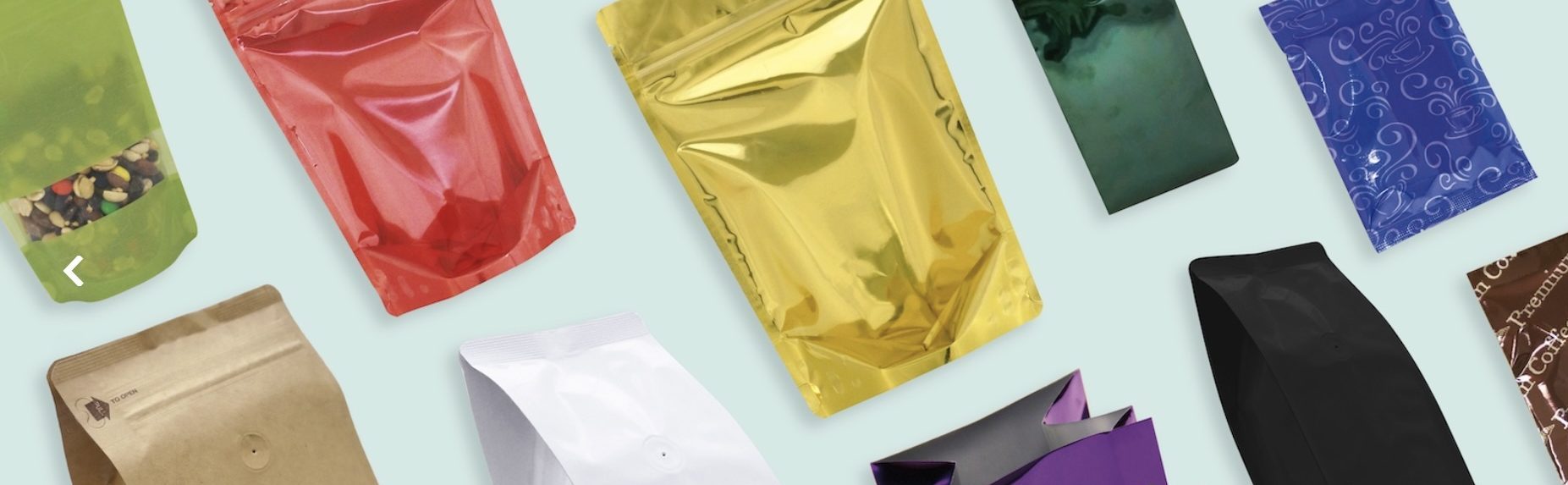
Not every format behaves the same way in a short run. Stand-up pouches are often a strong fit because they offer shelf presence, good printable area, and broad use across coffee, snacks, powders, supplements, and pet products. Flat pouches can also make sense for single-serve items, sample packs, and smaller-fill applications where space efficiency matters.
Gusseted bags and square bottom bags are common choices when structure, fill volume, or retail presentation are priorities. Paper tin tie bags remain popular for bakery, coffee, tea, and other products where a more traditional look is part of the brand story. Compostable options may be worth considering when sustainability is a core market expectation, though material performance and sealing behavior should be evaluated carefully before rollout.
The right choice depends on more than appearance. Product weight, barrier needs, filling method, sealing equipment, and case packing all affect whether a bag is truly suitable. A pouch that looks right in a mockup can become the wrong answer if it slows production, leaks powder, or fails to protect aroma.
Digital printing is usually the reason low minimums are possible
In most cases, low-minimum custom packaging becomes practical through digital printing. Because digital production does not require the same plate setup as conventional long-run methods, it is better suited for shorter runs, version changes, and faster artwork updates. That makes it valuable for emerging brands and for larger companies managing product tests or promotional packaging.
Digital printing is not automatically the best choice forever. Once order volume grows and artwork stabilizes, flexographic or rotogravure printing may offer stronger economics at higher quantities. That is why smart packaging planning is rarely about choosing one print method for all stages. It is about using the right process for the current stage of growth.
For many brands, the best path starts with stock packaging or low-minimum digital printing, then moves into larger custom production as velocity improves. That progression helps protect cash while keeping the brand presentation consistent enough for retail and e-commerce.
What buyers should ask before placing a low-minimum order
The first question is not minimum quantity. It is whether the packaging structure fits the product. Barrier properties, puncture resistance, sealant layer, and closure options all matter. A low minimum on the wrong material is still the wrong buy.
After that, ask how the printed bag will be produced and what that means for future scaling. If the short-run version looks significantly different from the larger-run version you will use later, you may be creating a transition problem. Color consistency, finish, valve placement, tin tie application, and hang hole requirements should be discussed early.
Lead time is another critical point. Buyers often assume low-minimum orders are always fast, but speed depends on artwork readiness, proof approval, material availability, and any post-print applications. If a product launch date is fixed, packaging should be scheduled backward from the fill date, not the date the art team says the file is almost done.
It is also worth asking whether the supplier can support the next phase. Many businesses do not want one vendor for plain stock bags, another for digital print, another for valves or tin ties, and another for equipment. That fragmented setup creates handoff issues and slows decision-making. A supplier that can support stock packaging, custom printing, and finishing services gives buyers a more stable path as volumes increase.
Printed bags with low minimums are ideal for testing, but testing should be disciplined
Shorter runs make experimentation easier, which is a major benefit. They also make it easy to treat packaging decisions too casually. A low-minimum order should still be tied to a specific business purpose. Maybe the goal is to compare two flavors, test a new size, enter a specialty retail account, or validate a revised claims panel.
When the objective is clear, the results are useful. You can measure reorder rates, fill-line performance, damage during shipping, and customer response to the design. Without that discipline, brands risk ordering repeated small runs simply because they delayed committing to a scalable packaging plan.
That is where a commercially minded packaging partner adds value. The right supplier helps you move quickly now without forcing a reset later. At Soestern Packaging, that path often starts with in-stock bags for immediate needs, then expands into printed pouches, roll films, and application services as product lines mature.
Avoid the common mistake of chasing the lowest minimum
The market appeal of low minimums is obvious, but the smallest order is not always the smartest order. If the run is too small, unit costs rise sharply, changeovers become frequent, and the team spends more time reordering than selling. On the other hand, if the quantity is too large, inventory sits, artwork becomes outdated, and working capital gets trapped in the warehouse.
The right minimum is the one that fits the stage of the business. For a startup, that might mean enough packaging for a first production cycle plus samples and a modest reorder cushion. For an established brand, it may mean a regional test quantity that supports a clear evaluation window. The goal is not simply to buy less. The goal is to buy with enough flexibility to learn and enough confidence to grow.
That is why printed packaging decisions should be made with both today and six months from now in mind. A bag needs to look right, run right, and scale right. When those three factors line up, low-minimum printed packaging stops being a temporary fix and becomes a useful growth tool.
The strongest packaging programs rarely start with the biggest order. They start with the right one, placed at the right time, with a supplier that understands where the brand is headed next.
One thought on “Printed Bags With Low Minimums That Work”