




Packaging Insights
How to Transition From Stock Bags

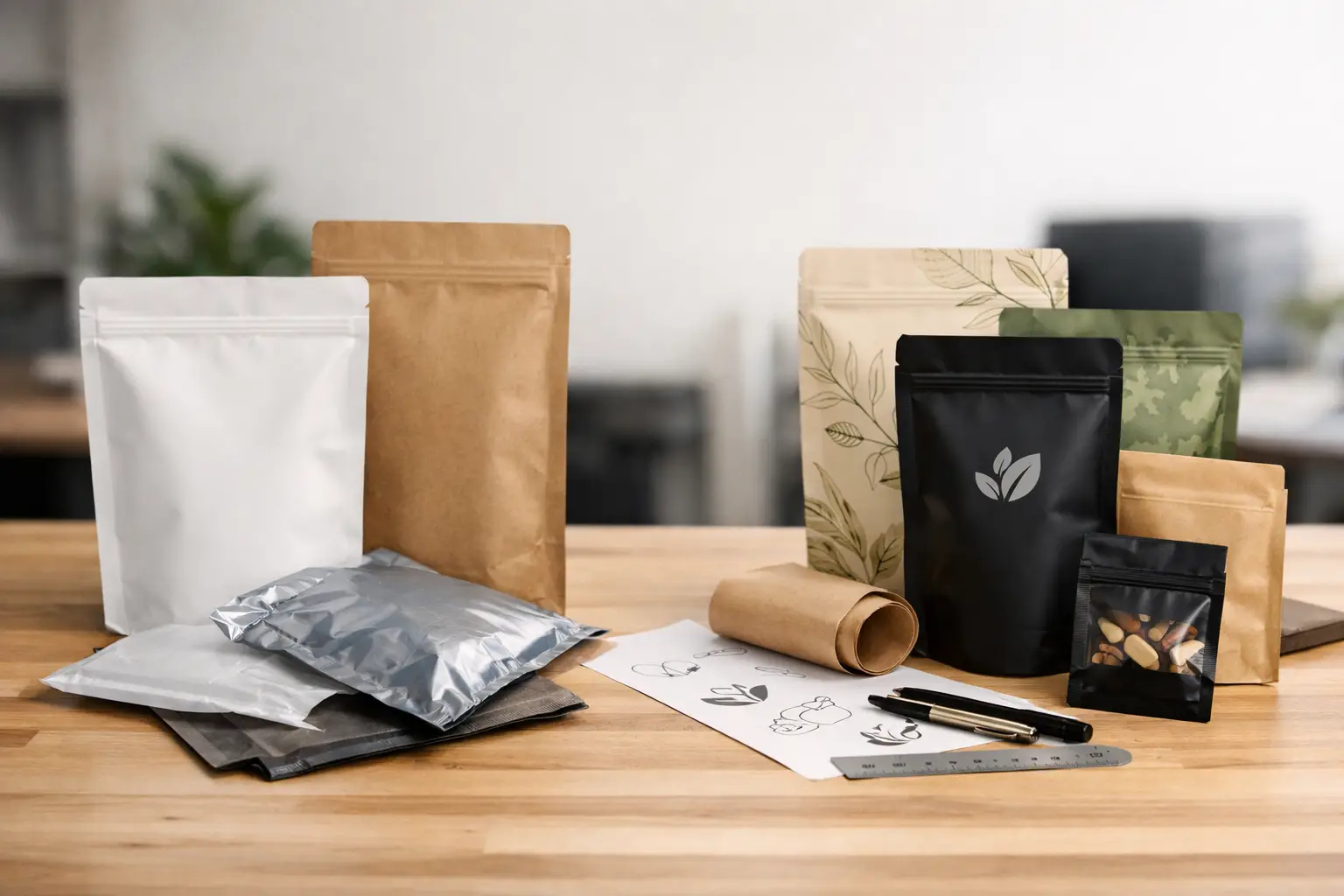
If your product is selling, your plain or generic pouch eventually starts working against you. What got you to launch fast can start limiting shelf impact, brand recognition, and production efficiency. That is usually the point when teams start asking how to transition from stock bags without slowing down operations or creating avoidable cost.
For most brands, the right move is not replacing everything at once. The smarter path is using stock packaging to validate demand, then shifting into custom packaging when your volumes, branding needs, and channel strategy support it. A good transition protects cash flow, keeps product moving, and improves how your packaging performs in the market.
How to transition from stock bags without disrupting production
The biggest mistake buyers make is treating custom packaging like a design project first and an operations project second. Branding matters, but the transition succeeds or fails based on specifications, lead times, fill compatibility, and order planning.
Start by looking at why you want to move away from stock bags. If the answer is simply that you want a better look, that may justify adding labels, hot foil stamping, or simple finishing before committing to fully printed packaging. If the answer is that your product is now in retail, your SKU count is growing, or your monthly usage is predictable, then custom printed pouches or roll film may make better commercial sense.
That distinction matters because not every business needs the same next step. Some brands are ready for digital printing and short-run branded packaging. Others have enough volume to justify flexographic or rotogravure printing. Some still need the speed of in-stock bags but want an upgraded appearance through added applications and finishing services.
Know when stock bags have done their job
Stock bags are valuable because they reduce time to market. They help brands launch quickly, test flavors or formulas, and avoid tying up capital in long custom runs before the sales data is there. For startups and growing brands, that flexibility is often the right decision early on.
The transition point usually shows up in a few practical ways. Your brand may be relying too heavily on labels, creating a less polished appearance than your competitors. Your operations team may be spending too much labor applying labels or managing multiple packaging workarounds. Your sales team may need a stronger retail presentation. Or your order volume may be high enough that stock-plus-label costs are no longer the most efficient option.
At that stage, packaging is no longer just a container. It becomes part of your growth strategy.
Signs you are ready to move into custom packaging
One sign is consistency in reorder volume. If you can forecast packaging demand with reasonable confidence, custom production becomes easier to plan. Another is channel expansion. Retail shelves, distributor programs, and national e-commerce growth usually put more pressure on visual presentation and brand recognition.
You may also be ready if your current stock bag format is close to what you ultimately need. If the size, structure, and barrier properties are already working well, the transition becomes simpler because you are changing branding and production method more than package engineering.
Lock down the specifications before you think about artwork
This is where commercially minded teams save time and money. Before any custom run is quoted or printed, confirm the technical details of the current bag that are actually working. That includes dimensions, fill weight, material structure, barrier needs, closure type, seal requirements, and any application details such as valves, hang holes, or tin ties.
If you skip this step, you risk approving packaging that looks right on a screen but performs poorly on the line or in the field. Coffee brands need to think about degassing valves. Food and supplement companies need to consider barrier protection and sealing performance. Pet product brands may need durability and puncture resistance. In regulated or specialty categories, packaging also has to support compliance needs, lot coding, and product integrity.
In other words, the transition from stock to custom should preserve what already works operationally while improving brand presentation and scale.
Choose the right upgrade path
There is more than one answer to how to transition from stock bags, and the best option depends on your volume, speed requirements, and budget.
For lower-volume brands or businesses testing multiple SKUs, digital printing is often the most practical next step. It supports shorter runs, faster changes, and less inventory exposure. It is especially useful when artwork changes often or when a company wants branded packaging without committing to large quantities.
For higher and more stable volumes, flexographic or rotogravure printing may offer stronger long-term unit economics. Those methods generally involve more setup, but they make sense when SKUs are established and demand is consistent. The lower unit cost at scale can offset the higher initial investment.
There is also a middle ground. Some brands continue using stock pouches while adding labels, hot foil stamping, or applied features to improve presentation. That can be the right move when lead time is critical, or when the business needs a more polished look before full custom inventory is justified.
Plan the transition around inventory, not just launch dates
Many packaging changes fail because teams focus on the custom bag arrival date and ignore what happens before and after. The practical issue is overlap. You need enough stock packaging on hand to avoid shortages, but not so much that you are sitting on outdated inventory once custom bags arrive.
This requires realistic forecasting. Consider your monthly usage, vendor lead times, approval timelines, and any seasonal spikes. Build in room for artwork revisions, proof approvals, and production scheduling. If your product demand is volatile, a phased transition is usually safer than a hard cutover.
A phased approach can look like this: keep core SKUs on stock bags while moving one or two proven products into custom packaging first. That gives your team time to verify appearance, line performance, customer response, and reorder timing before converting the full product range.
Make sure the packaging works on your equipment
A custom pouch that looks excellent but causes sealing issues, feeding problems, or fill inconsistencies is not an upgrade. It is a production bottleneck.
Before finalizing the transition, confirm compatibility with your filling and sealing process. This is especially important if you are moving into roll film, changing material structures, or adding features such as zippers, valves, or special finishes. Small specification changes can affect machine performance and throughput.
That is why experienced packaging buyers involve operations early. Brand managers may lead the visual direction, but production teams should have input on material handling, seal integrity, and equipment fit. The best outcome is packaging that sells well and runs cleanly.
Choose a supplier that can support both stages
This part is often overlooked. If your supplier can only sell stock inventory or only handle custom manufacturing, the transition gets fragmented. You end up managing multiple contacts, multiple timelines, and more room for error.
A stronger model is working with a packaging partner that can support immediate stock needs and the move into custom printed pouches, roll film, or finishing services. That continuity helps because the supplier already understands your format, volumes, and operational priorities. It also makes it easier to compare pathways instead of being pushed into a one-size-fits-all answer.
For growing brands, this matters even more. The right partner can help you decide whether now is the time for digital printing, whether labels are still the smarter short-term option, or whether your volume supports a larger production method. Soestern Packaging serves that kind of packaging pathway by helping businesses buy what they need now while planning for what they will need next.
Don’t over-customize too early
There is real value in branded packaging, but there is also risk in moving too far, too fast. If your formulas are still changing, your net weights are in flux, or your sales channels are not settled, highly specific custom inventory can create waste. The same is true if you are launching too many SKUs at once without enough demand history.
The better approach is controlled progression. Standardize the sizes and structures you can. Move proven items first. Build a packaging system that can scale without forcing a redesign every time the business shifts.
That discipline usually leads to better margins and less dead inventory over time.
Treat the transition as a growth milestone
Moving away from stock bags is not just about appearance. It is a signal that your business is developing more predictable demand, stronger brand presence, and clearer operational requirements. Done well, the transition improves how customers see your product and how efficiently your team gets it out the door.
The right time to move is when custom packaging supports the business you already have, not just the business you hope to have. Make the shift with clear specs, realistic forecasts, and a supplier that can support both speed and scale. That is how packaging stops being a short-term fix and starts becoming a real competitive asset.
When your bag format, print method, and production plan all match your stage of growth, the transition feels less like a risk and more like the next logical step.