




Packaging Insights
Roll Stock Packaging for Scalable Production

When a product line starts moving faster, packaging usually feels the pressure first. A bag that worked for a short run or a manual fill line can quickly become the bottleneck. That is where roll stock packaging makes a practical difference – especially for brands that need speed, repeatability, and room to scale without changing formats every few months.
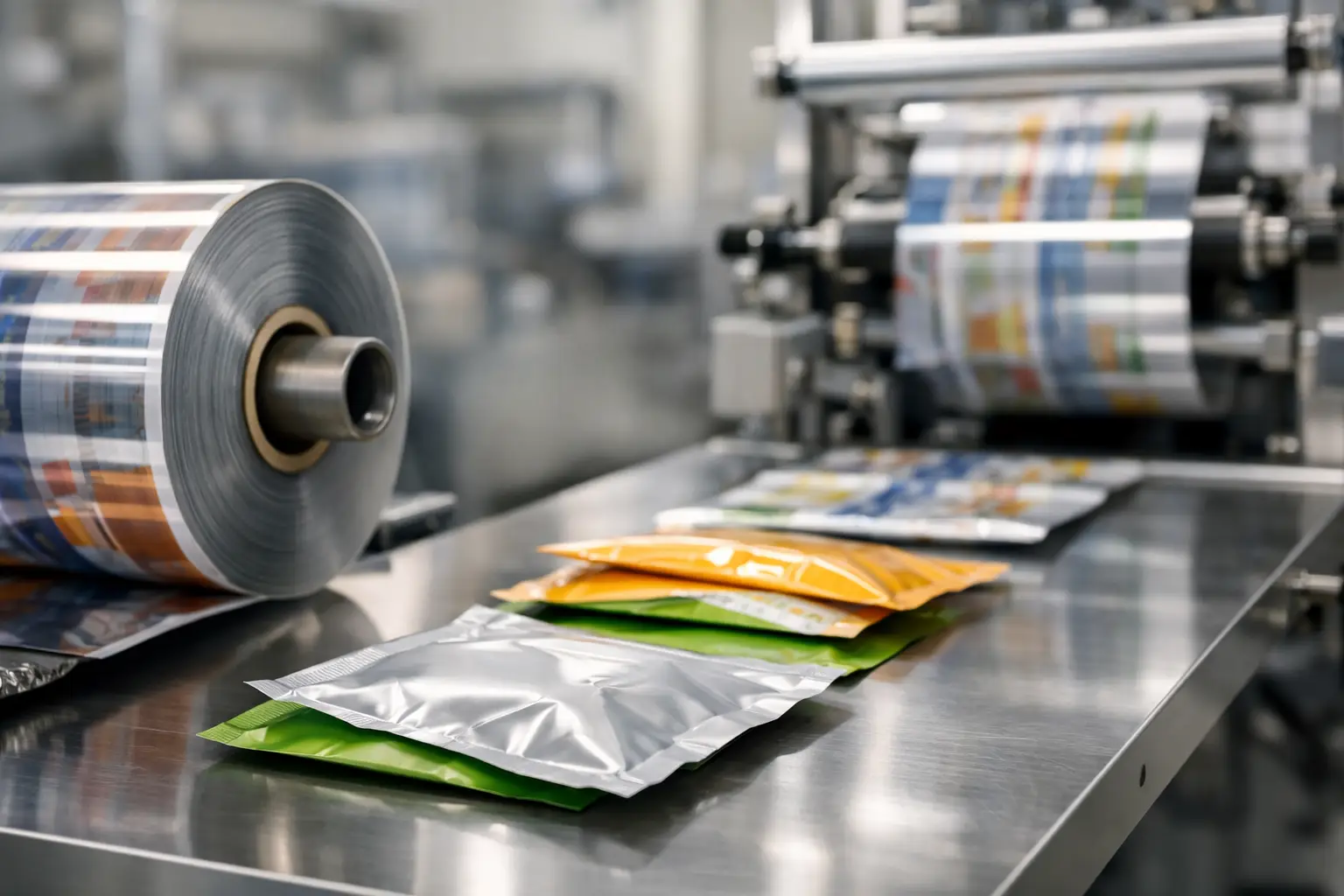
Roll stock packaging is flexible film supplied on a roll rather than converted into finished bags ahead of time. It is designed to run on form-fill-seal equipment, where the machine forms the package, fills it, and seals it during production. For the right operation, that setup can improve throughput, reduce per-unit costs, and give teams more control over how packaging performs on the line.
What roll stock packaging is really built for
Roll stock is not just a material choice. It is a production choice. Brands typically use it when they need to package high volumes of product in a consistent format, whether that means single-serve packets, sachets, pillow pouches, stick packs, or other machine-formed packages.
The biggest advantage is efficiency. Pre-made pouches are excellent for many applications, especially when flexibility, lower startup costs, or hand-filling matter most. But once volume increases and equipment is in place, roll film often becomes the more economical path. You are paying for film engineered to run on your machinery, not for a pouch that has already been converted and sealed before it reaches your facility.
That said, the answer is not always obvious. If your team is still validating demand, testing flavors, or working with smaller batch production, pre-made packaging may still be the better fit. Roll stock packaging tends to make the most sense when operations are stable enough to benefit from automation and volume.
Where roll stock packaging fits best
This format is common across food, coffee, tea, supplements, pet products, and medical or specialty supply categories. The use case usually comes down to one question: do you need a packaging format that supports machine-driven output at scale?
If the answer is yes, roll stock becomes a serious option. It works well for products that need controlled fill weights, reliable seals, and a dependable barrier structure. It also fits brands that want to standardize production across multiple SKUs while keeping visual branding strong on shelf.
For example, a coffee company may use roll film for single-serve packets or high-volume pillow bags. A supplement brand may run sachets for powdered drink mixes. A pet product manufacturer may need film that handles product dust, puncture risk, and distribution stress without sacrificing print quality. In each case, the packaging has to do more than look good. It has to run well, protect the product, and support the pace of the business.
The operational case for roll stock packaging
The strongest argument for roll stock packaging is often on the production floor, not in the design review. When film is matched correctly to the machine, filling environment, and product characteristics, it can support faster line speeds and better consistency from one run to the next.
That consistency matters. Poor film selection can lead to tracking issues, weak seals, wasted material, and unnecessary downtime. Good roll stock helps reduce those problems because the material is specified around actual operating conditions, including seal temperature range, product weight, puncture resistance, barrier needs, and machine type.
There is also a cost conversation here. Roll film can lower packaging costs at scale, but only if the broader system supports it. A lower material price means less if changeovers are inefficient or if the film causes line stoppages. Procurement teams and operations managers usually get the best results when they evaluate total production performance rather than film cost alone.
Choosing the right film structure
The phrase roll stock packaging covers a wide range of film constructions. Some are built primarily for moisture protection. Others focus on oxygen barrier, aroma retention, grease resistance, stiffness, clarity, or seal strength. The right structure depends on the product and the route it takes from production to end user.
Dry snacks, powders, and shelf-stable goods often need a different barrier profile than products with strong aroma sensitivity or longer shelf-life requirements. Coffee, for example, may need a structure that supports freshness and potentially degassing functionality, while a simple non-food item may prioritize durability and print presentation over advanced barrier properties.
Surface finish also plays a role. Gloss films can sharpen graphics and increase shelf impact. Matte finishes can create a more premium look in certain retail categories. Clear windows, metallic effects, and specialty finishes may help differentiate the package, but they should never compromise machinability. If the package looks great in a proof but slows down production, it is not doing its job.
Print method matters more than many buyers expect
For growing brands, print strategy is often where packaging decisions become more complicated. The right printing method depends on run length, artwork complexity, lead time expectations, and budget.
Digital printing is often a strong fit for shorter runs, SKU testing, and faster changes in branding or product information. It gives brands flexibility without committing to large volumes. Flexographic and rotogravure printing usually become more attractive as volumes rise and artwork stabilizes, particularly when unit economics and repeat production are the priority.
This is why many brands move in stages. They start with stock packaging or shorter custom runs, learn what sells, and then transition into larger production volumes with a more optimized print process. That path is practical. It protects cash flow early and supports stronger margins later.
Roll stock packaging and equipment compatibility
One of the most common mistakes in flexible packaging is treating film selection as separate from equipment requirements. It is not. Roll stock has to perform on the specific machines running it, whether those are vertical form-fill-seal, horizontal form-fill-seal, or specialized packaging systems.
Film gauge, sealant layer, coefficient of friction, roll dimensions, and unwind direction can all affect run performance. Even small mismatches can create costly headaches. That is why experienced buyers involve operations, packaging, and procurement early in the decision.
A supplier should be asking practical questions. What machine are you running? What are the package dimensions? What product is being filled? Are there issues with static, dust, puncture, or seal contamination? These details shape the recommendation. Without them, film selection becomes guesswork.
When stock formats still make more sense
Not every brand should move to roll film right away. If you are launching a new item, testing retail response, or working with lower volumes, stock bags and pre-made pouches still offer real advantages. They reduce setup demands, simplify ordering, and let teams move quickly without the infrastructure required for machine-formed packaging.
That flexibility is valuable, especially for startups and emerging brands. It allows a business to validate demand before making bigger production commitments. Once sales become more predictable, the transition to roll stock packaging can happen with better data and a clearer understanding of needed throughput.
This progression is common because it aligns packaging with actual business maturity. Companies do not need to overbuild on day one. They need packaging that supports the current stage while leaving room for the next one.
Why supplier support matters
Roll film is not a commodity purchase for most businesses. It affects production output, labor planning, inventory strategy, and brand presentation at the same time. That is why supplier support matters as much as film specs.
A dependable packaging partner helps buyers think beyond the immediate order. That includes matching film to equipment, advising on print options, supporting custom transitions, and helping brands move from in-stock solutions to more advanced packaging as demand grows. For businesses that need both speed and a path to scale, that combination is hard to replace.
At Soestern Packaging, that packaging path is a practical advantage. A brand can start with ready-to-ship formats, refine what works in the market, and then move into custom films, printing, and finishing support with one supplier that understands both the material and the production side.
What to evaluate before you commit
Before selecting roll stock packaging, buyers should be clear on a few operational realities. First, know your expected volume. Roll film becomes more compelling when throughput and run frequency justify the setup. Second, understand your barrier requirements and shelf-life goals. Third, confirm machine compatibility early, not after artwork is approved.
It also helps to think through future SKU expansion. If more sizes, flavors, or formulations are coming, your print strategy and ordering model should reflect that. Packaging decisions tend to get expensive when they are made only for the next run instead of the next stage of growth.
The best packaging choice is rarely the one with the lowest upfront price. It is the one that protects the product, runs reliably, fits your demand profile, and gives your team a workable path from current production to future scale. If roll stock packaging can do those four things for your operation, it is worth serious consideration.