




Packaging Insights
Square Bottom Coffee Bags for Growing Brands

Coffee packaging usually gets judged in two places first – on the filling line and on the shelf. That is why square bottom coffee bags continue to be a practical choice for brands that need a package that looks structured, runs efficiently, and presents well in retail. For startups testing a roast profile and for established coffee companies adding new SKUs, this format solves more than one problem at once.
Unlike softer pouch styles that can slump or shift, square bottom bags are built to hold a defined shape. That structure matters when you are packing whole bean or ground coffee by volume, stacking finished goods into cases, or trying to create a cleaner retail presentation. It also matters when your team is balancing appearance with production speed and cost control.
Why square bottom coffee bags are a strong fit
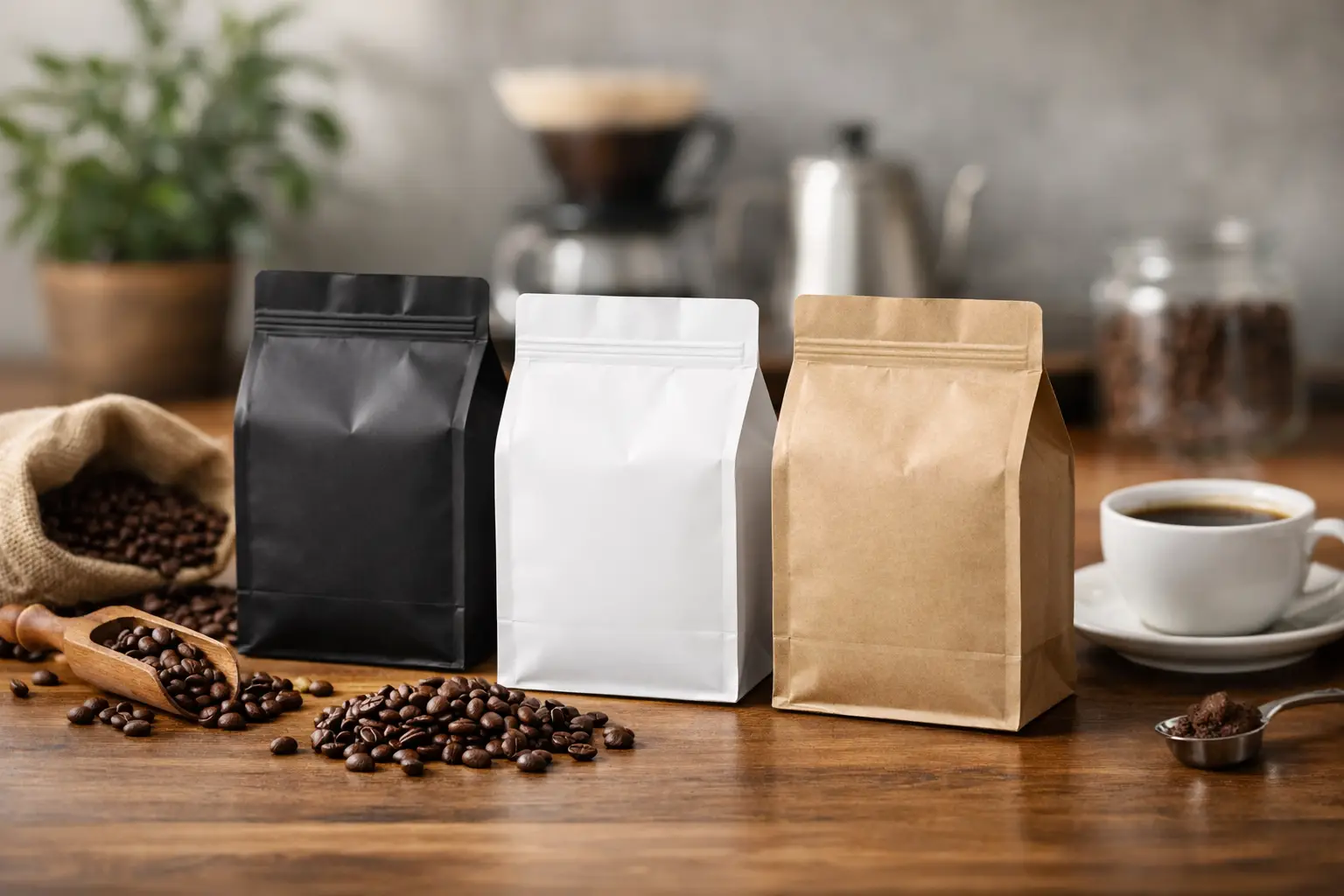
Square bottom coffee bags are designed with a flat, stable base and gusseted body that forms a box-like silhouette once filled. That shape gives coffee brands a more upright presentation than many traditional flexible bags, while still keeping the material and shipping advantages of flexible packaging.
For commercial buyers, the benefit is not just visual. A square bottom format can improve case packing, help products stand more consistently on shelves, and create usable panel space for branding, required labeling, and product information. If your coffee sells through specialty retail, grocery, or direct-to-consumer channels, that extra structure can make the package easier to merchandise and easier for customers to handle.
This format also supports a wide range of fill volumes. Smaller trial runs, seasonal coffees, and standard everyday SKUs can all work in square bottom bags, provided the dimensions match the product density and target weight. That is where format selection becomes operational, not cosmetic.
Shelf presence matters, but function matters more
Coffee buyers notice design first, but operations teams live with the packaging after the order is placed. Square bottom coffee bags tend to appeal to both sides of the business because they offer a clean billboard effect without moving into rigid packaging.
The front and side panels give brand managers room to work with logos, roast names, tasting notes, certifications, and barcodes. At the same time, the bag’s geometry can support better palletization and a more orderly retail set. If you are trying to move from a plain commodity-looking package to something more polished, this format gives you that upgrade without forcing a complete overhaul of how you store and ship finished goods.
That said, not every coffee brand needs the same level of structure. If your priority is the lowest possible material use, another pouch style may be worth considering. If your priority is shelf stability and a premium presentation, square bottom is often the better fit.
What to consider before choosing square bottom coffee bags
The first question is product type. Whole bean coffee and ground coffee behave differently in a bag, especially when fill density changes from one roast to another. A bag that works for one SKU may not be ideal for another if the dimensions create too much headspace or an awkward final shape.
The second question is barrier performance. Coffee packaging has to protect freshness, aroma, and flavor. Depending on your distribution model, you may need material structures that support stronger oxygen and moisture barriers. If the coffee will sit in retail environments or travel through e-commerce channels, material selection becomes a key part of the packaging decision.
The third question is whether the bag needs a degassing valve. Freshly roasted coffee releases carbon dioxide, and many coffee formats rely on one-way valves to allow gas to escape without letting outside air in. For many roasters, this is not optional. It is a standard performance requirement. Buyers should think about the timing between roasting, packing, warehousing, and sale when deciding whether valve application is necessary.
Closure style also matters. Some brands heat seal the top and keep the pack simple. Others want a more consumer-friendly format with resealable features or added top treatments depending on the retail environment. There is no single right answer here. It depends on your channel, price point, and customer expectations.
Stock or custom printed square bottom coffee bags?
For many brands, this is the real decision. Stock packaging makes sense when speed is the priority. If you are launching a new coffee line, testing a market, running limited seasonal flavors, or trying to avoid overcommitting to a large print order, stock square bottom bags can shorten your timeline and lower your upfront risk.
Stock formats also make practical sense for growing roasters that are still refining artwork, SKU count, or channel strategy. You can move product now, validate demand, and use labels or simple finishing to create a sellable package while learning what customers respond to.
Custom printed square bottom coffee bags become more attractive once the volume is there and the brand presentation needs to work harder. Printed packaging improves consistency across SKUs, gives you better visual impact at shelf, and reduces the labor of applying separate labels. It can also support larger production planning once your sales cadence is more predictable.
A supplier that offers both stock inventory and custom conversion is often the better long-term fit because your packaging strategy does not have to change vendors every time your business grows. That matters when lead times, print method, and application services start affecting your launch calendar.
Printing and finishing options change the equation
A square bottom bag is only part of the package decision. Branding, compliance, and usability often depend on what can be added to that structure.
Digital printing works well when brands need shorter runs, faster turns, or frequent design changes. Flexographic and rotogravure printing are often better suited for higher-volume programs where repeatability and unit economics matter. Hot foil stamping can add shelf appeal for premium lines. Valve application is often critical for roasted coffee. Labeling can bridge the gap when a brand needs speed more than fully printed inventory.
This is where packaging buyers should think beyond the bag itself. The right format with the wrong finishing plan can still create delays, extra handling, or avoidable costs. Working through the full path – stock today, custom tomorrow, added applications when needed – usually leads to a more efficient packaging program.
Square bottom coffee bags in retail and e-commerce
Retail buyers care about presentation and consistency. E-commerce teams care about protection, storage efficiency, and damage control. Square bottom coffee bags can support both, but the success of the format depends on the details.
In retail, the structured base helps products stand upright and face forward more consistently. That can improve shelf appearance and make planograms easier to maintain. In e-commerce, the format still benefits from flexible-pack advantages like lower shipping weight compared with rigid containers, though the dimensions and filled profile should still be tested for carton fit and transit performance.
If your coffee moves through both channels, choose specifications that do not favor one at the expense of the other. A package that looks great in-store but causes inefficiency in fulfillment is not really solving the full business problem.
When square bottom coffee bags are the right choice
This format is especially useful for coffee brands that want a more premium shape, need dependable shelf stability, or are preparing to scale from a small-batch launch into broader distribution. It is also a strong option for businesses that need more printable surface area without moving into a completely different package category.
It may be less ideal if your operation is highly optimized around another bag style, or if your product and pricing model demand the most stripped-down packaging possible. Packaging decisions always come with trade-offs. Better structure can mean a different cost profile. More visual impact can require more careful specification work. The right answer depends on your product, sales channel, and growth stage.
For coffee brands that need speed now and room to scale later, square bottom bags often strike the right balance. They present well, protect the product when properly specified, and support a packaging program that can evolve with the business. That is why many growing roasters start here and stay here.
If you are evaluating your next coffee packaging format, look at more than appearance. Look at fill performance, barrier needs, valve requirements, lead times, and how quickly you may want to move from stock inventory to custom branding. A good bag should not just hold coffee. It should make the next stage of growth easier to manage.