






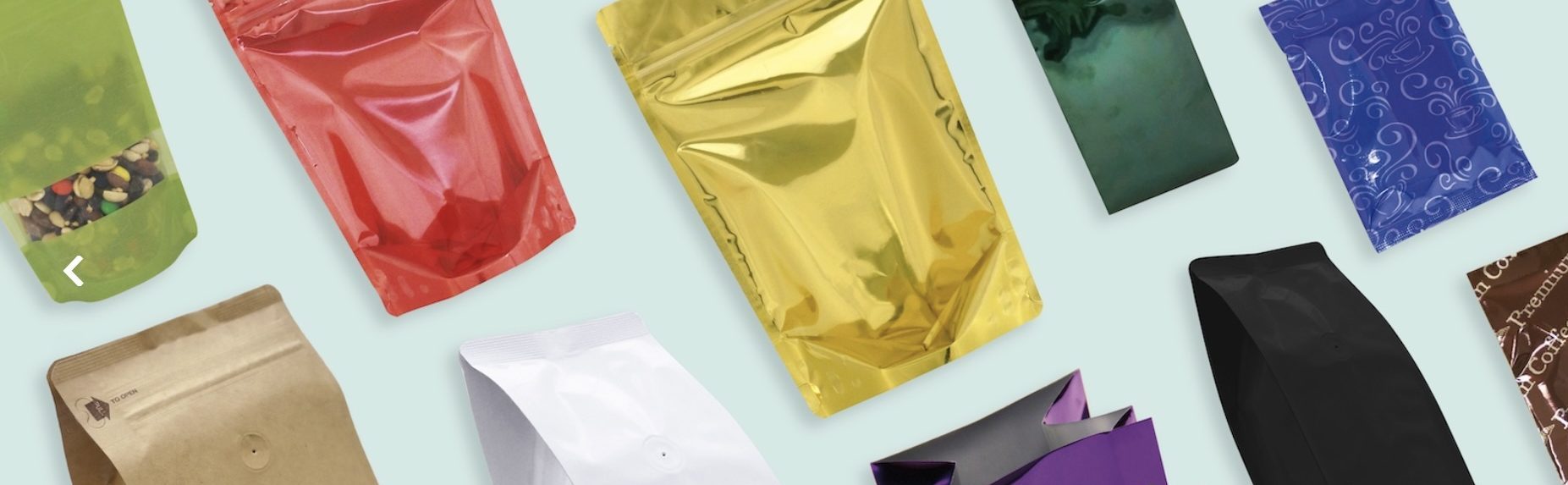
Packaging Insights
Side Gusset Bags for Coffee That Sell

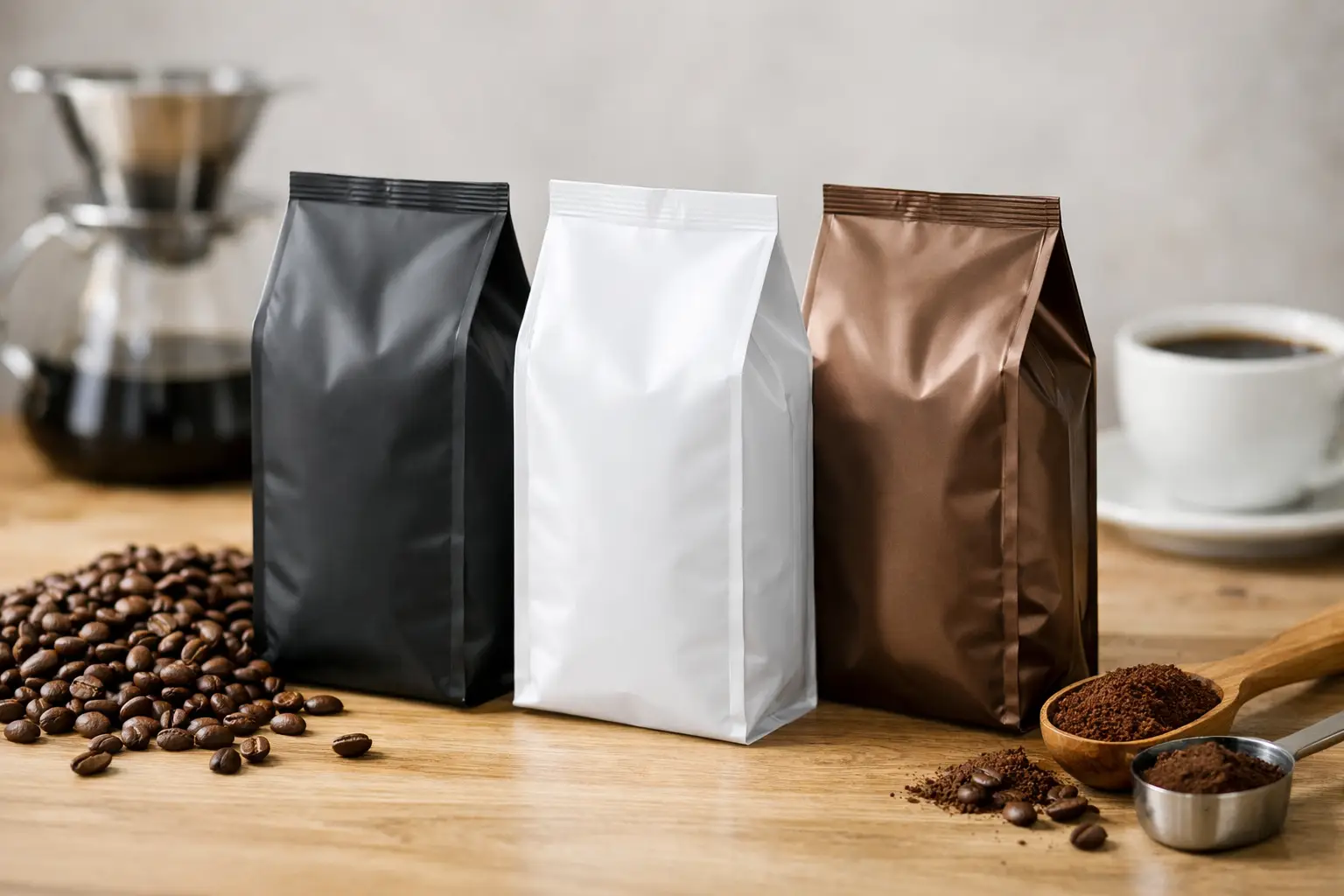
A coffee bag does two jobs at once. It has to protect freshness through filling, shipping, and shelf time, and it has to make the product look ready to buy. That is why side gusset bags for coffee remain a dependable format for roasters, private label programs, and growing brands that need a bag that performs well without wasting space.
For many coffee businesses, this format hits the practical middle ground. It offers more structure than a flat pouch, a familiar retail look, and efficient case packing for wholesale and store distribution. It also scales well, whether you are packing a short run for local accounts or preparing larger volumes with custom print and added features like valves and tin ties.
Why side gusset bags for coffee still make sense
Coffee packaging decisions usually come down to three pressures – freshness, presentation, and operational efficiency. Side gusset bags answer all three in a straightforward way.
The gussets expand as the bag fills, which gives the package a fuller profile and more usable volume. That matters for coffee because weight, grind style, and roast level can all affect how a fill settles. A bag that opens and fills consistently helps reduce headaches on the packing line and creates a cleaner finished look.
From a merchandising standpoint, side gusset bags have a classic coffee appearance that many buyers still associate with quality. They look established. They stack and display well. In some retail environments, especially specialty grocery, gift, and wholesale settings, that traditional shape feels more at home than trend-driven formats.
There is also a freight and storage advantage. Before filling, these bags ship and store flat, which helps manage inventory space. Once filled, they pack efficiently into cases. For operations teams, that combination can make a real difference.
Where side gusset coffee bags fit best
Not every coffee SKU needs the same package. Side gusset bags tend to work especially well for whole bean and ground coffee sold in standard retail sizes, club packs, and bulk formats. They are a strong choice when you want a higher-capacity bag with a clean front and back panel for branding.
This format is often a good fit for businesses that sell through multiple channels. A roaster serving its own website, regional retailers, and wholesale accounts may need a package that looks credible everywhere and holds up through different handling conditions. Side gusset bags do that well.
They are also useful for brands that are not ready to overcommit on packaging. A company can start with stock bags for speed, then move into custom printing once sales volume and artwork are more established. That step-by-step path is often the right move for newer brands and for established companies testing a seasonal roast, private label line, or new market.
What to look for in side gusset bags for coffee
The right bag is not just about appearance. Coffee buyers should evaluate the structure around how the product will be packed, stored, shipped, and sold.
Material barrier and freshness protection
Coffee is sensitive to oxygen, moisture, aroma loss, and light. The bag structure needs to provide the barrier properties required for your product and distribution cycle. A local roaster with fast turnover may not need the same specification as a national brand shipping into longer retail windows.
Barrier performance should be matched to the product, not guessed. If you are packaging freshly roasted beans, the bag often needs to work with a degassing valve so carbon dioxide can escape without allowing outside air in. If you are running ground coffee, aroma retention may become an even bigger concern because of the increased surface area.
Size and fill weight
Bag dimensions should be chosen based on actual product fill, not only target label weight. Coffee density can vary, and the final pack presentation matters. A bag that is technically large enough but visually underfilled will not perform well on shelf. A bag that is too tight may create sealing issues or strain the structure.
This is where sampling and real-world fill testing matter. Operations teams should test the selected bag with the actual roast and grind, not just rely on a capacity estimate.
Valve, tin tie, and closure options
Most coffee buyers will consider a one-way degassing valve essential for freshly roasted product. It protects the bag from ballooning while preserving freshness. Tin ties can also be useful when the package will be opened and reclosed by the end user, especially in retail formats where convenience influences repeat purchase.
The best feature set depends on how the product is sold. A premium shelf item may benefit from both valve and tin tie. A bulk foodservice pack may prioritize capacity and seal integrity over consumer-facing extras.
Print method and branding stage
Packaging should match your business stage. Stock bags make sense when speed matters, when lead times are tight, or when you are testing a concept. Digital print can be a smart next step for lower minimums and SKU flexibility. Flexographic and rotogravure printing become more attractive as volume increases and artwork programs mature.
That progression is one reason many coffee brands prefer to work with a packaging partner that can support both immediate needs and long-term scale.
Side gusset bags vs other coffee bag formats
Coffee buyers often compare side gusset bags with stand-up pouches and square bottom bags. Each format has its place, and the right choice depends on your selling environment and line setup.
Stand-up pouches are popular because they self-display well and can feel more contemporary. They are often a strong option for direct-to-consumer brands and smaller retail sizes. But depending on the structure and fill, they may not offer the same traditional coffee presentation some buyers want.
Square bottom bags deliver a stable shelf presence and premium appearance. They can look excellent in retail settings, but they may come at a different price point and may not be necessary for every product line.
Side gusset bags sit in a practical position between those options. They are efficient, recognizable, and versatile. For many coffee programs, that balance is exactly the point.
Operational advantages buyers should not overlook
Packaging decisions are often made by more than the marketing team. Operations, purchasing, and fulfillment all have a stake in the result. Side gusset bags tend to score well because they support repeatable packing and straightforward inventory planning.
They can be a good choice for companies that need to move quickly. If stock inventory is available, a buyer can get product into market without waiting on a long custom cycle. That speed matters during launches, promotional runs, and supply interruptions.
They also support a cleaner scaling path. A business can begin with an unprinted or simply labeled bag, validate demand, and then shift into custom-branded production as order volumes justify it. For many growing coffee brands, that lowers risk without sacrificing packaging quality.
Suppliers with finishing capabilities add another advantage. Valve application, tin tie application, labeling, and other services can reduce internal handling steps and help businesses buy a more market-ready package instead of coordinating multiple vendors. For buyers focused on efficiency, that kind of support is more than a convenience.
Common mistakes when sourcing coffee bags
The most common packaging mistake is selecting a format based only on appearance. A bag may look right on screen and still cause trouble in production if the dimensions, material, or closure features do not align with the filling process.
Another issue is buying for current demand only. Coffee brands that are growing should think one stage ahead. If your packaging works for hand filling 500 bags but becomes difficult at 10,000, you may end up replacing the format sooner than expected.
It is also easy to treat all coffee SKUs the same. Single-origin whole bean, flavored ground coffee, and large wholesale packs can require different specifications. A better sourcing process starts with how each SKU moves through production and distribution.
For that reason, commercially minded buyers usually get the best results when they compare bag size, barrier, valve requirements, print strategy, and lead time together rather than shopping by price alone.
Choosing a supplier for side gusset bags for coffee
The bag itself matters, but supplier capability matters just as much. Coffee brands need dependable stock availability, consistent manufacturing, and a clear path from immediate purchases to custom packaging as the business grows.
A supplier should be able to support practical decision-making, not just quote a bag. That means helping buyers compare stock and custom options, evaluate features like valves and tin ties, and plan around realistic lead times. It also means understanding the difference between a startup launch and a scaled national program.
That is where a packaging partner such as Soestern Packaging can bring real value – not only by supplying the bag, but by helping brands move from quick-turn inventory to branded production with fewer disruptions.
The best coffee packaging choice is rarely the flashiest one. It is the format that protects the product, fits the line, supports the brand, and gives you room to grow without starting over six months later.