






Packaging Insights
Best Flexible Packaging for Pet Treats


A pet treat bag has to do more than look good on a shelf. It has to control odor, protect freshness, survive shipping, and still make life easy for the pet owner who opens and closes it every day. That is why choosing the best flexible packaging for pet treats is usually less about one perfect bag and more about matching the right format, barrier, and finish to the product, sales channel, and production plan.
For brands selling dog treats, cat treats, training bites, jerky, biscuits, or freeze-dried products, packaging decisions affect shelf life, fill speed, customer experience, and margin. A pouch that works for small-batch market testing may not be the right long-term choice for a national retail program. The strongest packaging strategy accounts for where your brand is now and how quickly you expect to scale.
What makes the best flexible packaging for pet treats?
The best package protects product quality first. Pet treats are often exposed to oxygen, moisture, puncture risk, grease migration, and aroma loss. Some formulas are dry and hard, while others contain fats, meat inclusions, or softer textures that make barrier performance more critical. If the package cannot hold freshness and structure through distribution, branding becomes secondary very quickly.
The right package also has to fit your operation. A startup hand-filling treats in short runs may need in-stock pouches that are ready to seal immediately. A larger brand running automated equipment may need roll film or a pouch spec built around line efficiency. There is no single answer for every product line, which is why packaging buyers usually evaluate format, material construction, closure type, graphics, and order flexibility together.
Stand-up pouches are often the best starting point
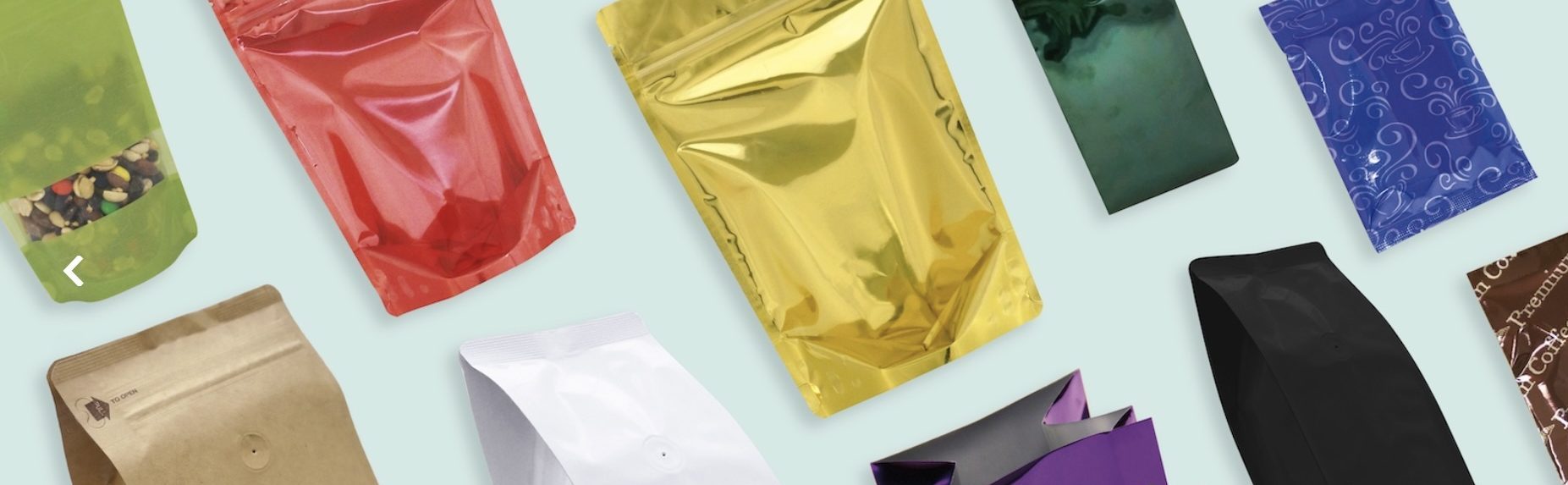
For many brands, stand-up pouches are the most practical answer when evaluating the best flexible packaging for pet treats. They offer strong shelf presence, efficient storage, and a broad printable surface for branding, claims, feeding guidance, and compliance information. They also work well across retail and e-commerce because they present cleanly while using less material than rigid containers.
A stand-up pouch with a resealable zipper is especially effective for treats that are opened repeatedly over several days or weeks. That convenience matters in pet categories. Owners want easy access during walks, training sessions, and daily feeding routines. A pouch that closes securely helps maintain aroma and texture while reducing spills in cars, pantries, and travel bags.
This format also supports growth. Brands can begin with stock pouches for speed, then move into custom printed versions once volume justifies branded production. That step-by-step path keeps launch timelines short without forcing a large upfront commitment.
Flat pouches work well for samples and smaller formats
Flat pouches are a strong option when the product is lightweight, the serving size is smaller, or the goal is trial. They are commonly used for sample packs, single-serve portions, topper treats, and compact specialty SKUs. Because they use less material and occupy less space, they can be cost-effective for certain products.
The trade-off is presentation and capacity. Flat pouches usually do not stand as well on a shelf, and they offer less billboard space than a stand-up pouch. For brands focused on retail visibility, that limitation can matter. For direct mail, promotions, club packs, or add-on products, though, flat pouches can be exactly the right fit.
Gusseted and square bottom bags fit larger treat volumes
When a pet treat line includes larger pack sizes, bulk formats, or premium positioning, gusseted bags and square bottom bags deserve a close look. These structures can hold more product while maintaining a stable footprint. They also create a more substantial package appearance, which can support perceived value in higher-volume or specialty retail environments.
This category works well for larger biscuits, bulk training treats, and warehouse-club style offerings. The main consideration is fill behavior and shelf setup. Heavier packs need dependable seals, strong film construction, and enough bottom support to stay upright through handling.
Barrier matters more than many brands expect
A common mistake is choosing packaging based mainly on appearance. In pet treats, barrier performance often determines whether the bag succeeds. Oxygen can affect flavor and aroma. Moisture can soften crunchy products or damage freeze-dried textures. Greasy or protein-rich treats may require structures with stronger resistance to migration and odor transmission.
The right material depends on the formula. Crunchy biscuits may perform well in a different construction than soft chews or meat-based jerky. If your product has a higher oil content, stronger aroma, or a longer target shelf life, your material spec should reflect that. This is where consultative packaging support becomes valuable, because the best-looking pouch is not always the best-performing one.
Matte finishes, clear windows, and paper-touch surfaces can all add shelf appeal, but each design choice should be balanced against product protection. A window can help shoppers see the product, yet it may reduce the barrier profile depending on the structure. That does not mean windows are a bad idea. It means they need to be used intentionally.
Resealable closures are usually worth it
For most treat categories, resealability is not a premium extra. It is a practical feature that improves the end-user experience. Zippers help preserve freshness, support portion control, and reduce mess. They also make the package more useful over time, which can influence repeat purchase behavior.
There are exceptions. If the format is a low-count sample pouch or a single-use product, a zipper may add unnecessary cost. But for everyday treat bags, especially in mid-size and large formats, a resealable closure is usually the smarter choice.
Hang holes, tear notches, and rounded corners can also improve merchandising and usability. These details are small on paper, but they matter in real production and retail settings.
Stock packaging vs custom printed pet treat packaging
For brands moving quickly, stock packaging often makes the most sense first. It reduces lead time, supports pilot runs, and helps teams test sizes, formulas, and market response before investing in printed inventory. This is especially useful for startups, seasonal launches, and line extensions where forecast accuracy is still developing.
Custom printed pouches become more attractive as volume grows and branding needs become more specific. They improve shelf impact, reduce labeling steps, and create a more consistent retail presentation. Printing method matters here. Digital printing can be a strong fit for shorter runs and versioning, while flexographic and rotogravure options may make more sense for larger volume programs.
The best path is often phased. Many brands start with ready-to-ship bags, validate demand, then move into printed packaging once the SKU proves itself. That approach protects cash flow while keeping the packaging roadmap aligned with growth.
Packaging should match your filling operation
A pouch that looks right but runs poorly can create expensive problems. Fill opening, film stiffness, seal consistency, and case-pack efficiency all affect throughput. If your team is hand-filling, you may prioritize easy-opening pouch formats and manageable case quantities. If you are using automation, repeatable dimensions and machine compatibility become more important.
This is one reason many product companies prefer working with a supplier that can support both materials and packaging application needs. A packaging decision should not stop at bag selection. It should account for how the package will be filled, sealed, stored, and shipped at scale.
The best flexible packaging for pet treats depends on channel
Retail packaging and e-commerce packaging are not always the same. On a retail shelf, visual impact and standability carry more weight. In e-commerce, puncture resistance, leak prevention, and dimensional efficiency often become bigger priorities. Club stores and wholesale programs may require stronger case-pack consistency and larger format performance.
If your pet treat brand sells across multiple channels, you may need more than one packaging format. That is not a sign of poor standardization. It is often a sign that the packaging strategy is built around real channel demands.
A practical way to choose
If your treat line is still being tested, start with an in-stock stand-up pouch with zipper closure and a barrier structure suited to your product type. It gives you speed, flexibility, and a retail-ready format without slowing launch. If your product is premium, high-volume, or highly differentiated, move quickly into a custom printed format once your forecast supports it.
If you are selling larger volumes, consider gusseted or square bottom formats. If you are pushing trial sizes, flat pouches may be enough. And if your product has unusual barrier demands, let material performance lead the conversation before graphics do.
For many brands, the best answer is not just a pouch style. It is a packaging partner that can support stock inventory now, custom branding later, and operational requirements all the way through. That is where companies like Soestern Packaging can help simplify the path from launch to scale.
The right pet treat package should make your product easier to sell, easier to protect, and easier to grow. If it does all three, you are not just buying a bag. You are building a stronger package system for the business behind it.