




Packaging Insights
Custom Pouch Printing That Scales


A plain pouch can get a product out the door. A printed pouch can get it noticed, understood, and reordered. That is why custom pouch printing becomes a turning point for many growing brands – especially when a product has moved past early testing and needs packaging that works harder on the shelf, in transit, and in production.
For B2B buyers, this is not just a design decision. It is an operational one. The right printed pouch has to protect the product, fit filling equipment, support retail presentation, and align with realistic lead times and order volumes. If any one of those factors is off, the packaging becomes a bottleneck instead of a growth tool.
Why custom pouch printing matters beyond appearance
Branding is the obvious benefit, but it is rarely the only reason companies make the switch. Printed pouches help reduce the extra handling that comes with unlabeled stock bags, separate sticker application, or patchwork finishing processes. They also create better consistency across SKUs, which matters when you are selling through retail, e-commerce, and distribution at the same time.
There is also a credibility factor. For coffee, snacks, supplements, pet treats, and specialty dry goods, packaging often carries much of the sales message before a buyer ever tries the product. A clean, well-produced pouch communicates stability. It suggests the business is prepared for repeat orders, compliant labeling, and real shelf competition.
That said, custom printing is not automatically the right move at every stage. If a brand is still testing product-market fit, changing formulas, or revising claims every few weeks, stock pouches with labels may still be the smarter short-term choice. Good packaging decisions match the current stage of the business, not just the brand vision.
Choosing the right pouch before custom pouch printing starts
Printing should follow format selection, not the other way around. Many packaging problems start when a buyer focuses on graphics first and pouch structure second.
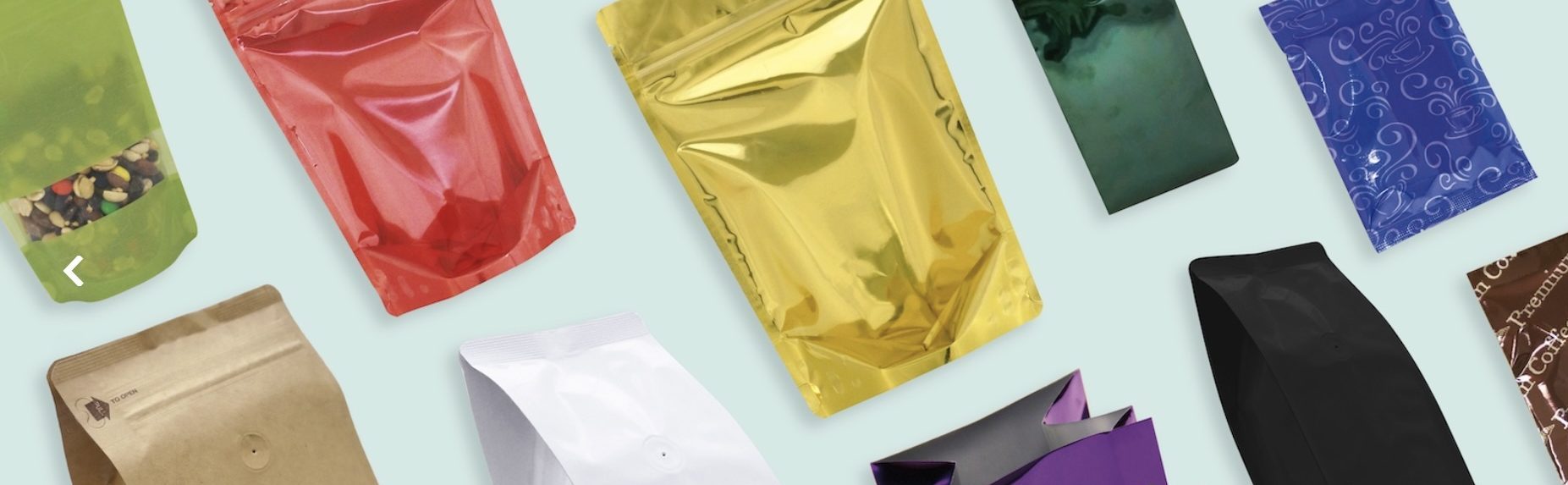
Stand-up pouches remain a common choice because they offer shelf presence, good printable area, and versatility across food, beverage, and nonfood categories. Flat pouches can work well for samples, single-serve items, or products where compact storage matters more than shelf stance. Gusseted bags and square bottom bags often make more sense for coffee and other products that benefit from a more traditional footprint or larger fill volume.
Material structure matters just as much. Barrier requirements, puncture resistance, seal performance, and finish all affect how well the printed pouch performs in the field. A snack mix, a powdered supplement, and a medical supply item may all fit in a pouch, but they do not ask the same things from the film.
This is where experienced packaging support adds value. A pouch that looks right in a rendering but runs poorly on filling equipment or fails during shipping can create expensive rework. Buyers need packaging that is commercially ready, not just visually appealing.
Digital, flexographic, or rotogravure?
The best print method depends on run size, artwork complexity, lead time expectations, and long-term volume.
Digital printing is often a strong fit for shorter runs, market tests, seasonal launches, and SKU expansion. It allows brands to move into custom pouch printing without committing to the larger volumes usually tied to traditional print methods. For companies validating a new flavor line or entering retail for the first time, that flexibility can be the difference between moving forward and waiting too long.
Flexographic printing usually becomes attractive when volumes increase and the artwork is established. It offers strong efficiency for repeat production and can make good commercial sense for brands that have moved beyond trial runs into regular replenishment.
Rotogravure is often considered for high-volume programs where print quality, consistency, and long production runs justify the setup investment. It is not the default answer for every brand, but for larger enterprises and established product lines, it can be the right production path.
There is no single best method in the abstract. The right choice depends on where the brand is now, how often the artwork changes, and what production economics look like over time.
What buyers should lock down before artwork approval
Most avoidable delays happen before a pouch ever reaches press. Buyers who treat artwork approval as the final check instead of part of a larger packaging process usually run into preventable issues.
At minimum, the pouch format, dimensions, material structure, finish, zipper placement, tear notches, hang holes, valves, and any added applications should be confirmed before design is considered final. Product fill weight should also be validated against actual pouch capacity, not assumed from a similar item.
Labeling content deserves equal attention. Nutrition panels, warnings, barcodes, lot coding space, and regulatory claims need room to breathe. A pouch can have excellent graphics and still fail commercially if critical content is cramped, unreadable, or placed where a seal bar or gusset interferes with it.
The smartest packaging buyers build in a proofing process that includes operations, marketing, and compliance. That extra coordination may feel slower up front, but it usually prevents delays once production begins.
Custom pouch printing and operational efficiency
Printed packaging should make fulfillment easier, not more complicated. That is a useful test when comparing options.
For example, a startup may begin with stock bags and pressure-sensitive labels because speed matters most. That can be the right call. But as order volume grows, label application time, alignment issues, and inventory complexity start adding labor and inconsistency. Moving into printed pouches can reduce those touchpoints and create a cleaner production flow.
The same logic applies to specialized finishing. Tin ties, valves, hang holes, and foil details can improve functionality or shelf impact, but only if they support the way the product is sold and packed. Added features should solve a problem or create a measurable advantage. Otherwise, they become extra cost without enough return.
Companies that scale well usually treat packaging as part of operations, not just branding. They ask how the pouch stores, fills, seals, ships, and displays. That mindset leads to better purchasing decisions.
When stock bags still make sense
A reliable packaging partner should be honest about this: not every buyer needs full custom print right away.
Stock inventory remains valuable when speed is critical, when lead times need to stay short, or when a product line is still changing. It is also useful for test runs, regional rollouts, and promotional offers where long-term packaging is not yet set. In those cases, using ready-to-ship pouches while planning the next custom phase can be the most commercially sound move.
That stepwise approach is often how brands scale efficiently. They start with in-stock packaging, validate demand, refine the SKU mix, then move into custom pouch printing once reorder patterns and brand standards are clearer. It is a practical progression, not a compromise.
What a good packaging partner should bring to the table
B2B buyers are not just purchasing printed material. They are buying lead-time reliability, production guidance, and a path to scale.
That means the supplier should be able to support both immediate needs and future growth. A company that can offer stock bags, multiple print methods, application services, and packaging expertise is usually better positioned to help brands move from launch mode to repeat production. Soestern Packaging serves that role for businesses that need both packaging supply and practical support.
It also means communication has to be straightforward. Buyers need realistic answers on run sizes, production timing, material options, and finishing capabilities. Packaging projects move faster when expectations are clear from the start.
Where custom pouch printing pays off most
The strongest return usually shows up where packaging has a direct effect on velocity and efficiency. Retail-facing products benefit from stronger shelf presence and cleaner branding. E-commerce brands gain consistency and a more polished customer experience. Wholesale and distribution programs benefit when the packaging is easier to manage, easier to identify, and ready for repeat ordering.
But the biggest payoff may be confidence. When a brand knows its packaging is dialed in, it can focus on sales, expansion, and operations instead of constantly troubleshooting labels, stock shortages, or inconsistent presentation.
Custom pouch printing works best when it is treated as part of a larger packaging strategy – one that balances product protection, brand presentation, lead times, and scale. If the pouch is right, the print can do its job. If the process is right, the packaging becomes one less thing to worry about as the business grows.
The most useful next step is not chasing the fanciest finish or the biggest print run. It is choosing a pouch program that fits how your business actually sells, fills, and scales today, while leaving room for where it is headed next.