




Packaging Insights
Best Packaging Options for Startup Brands

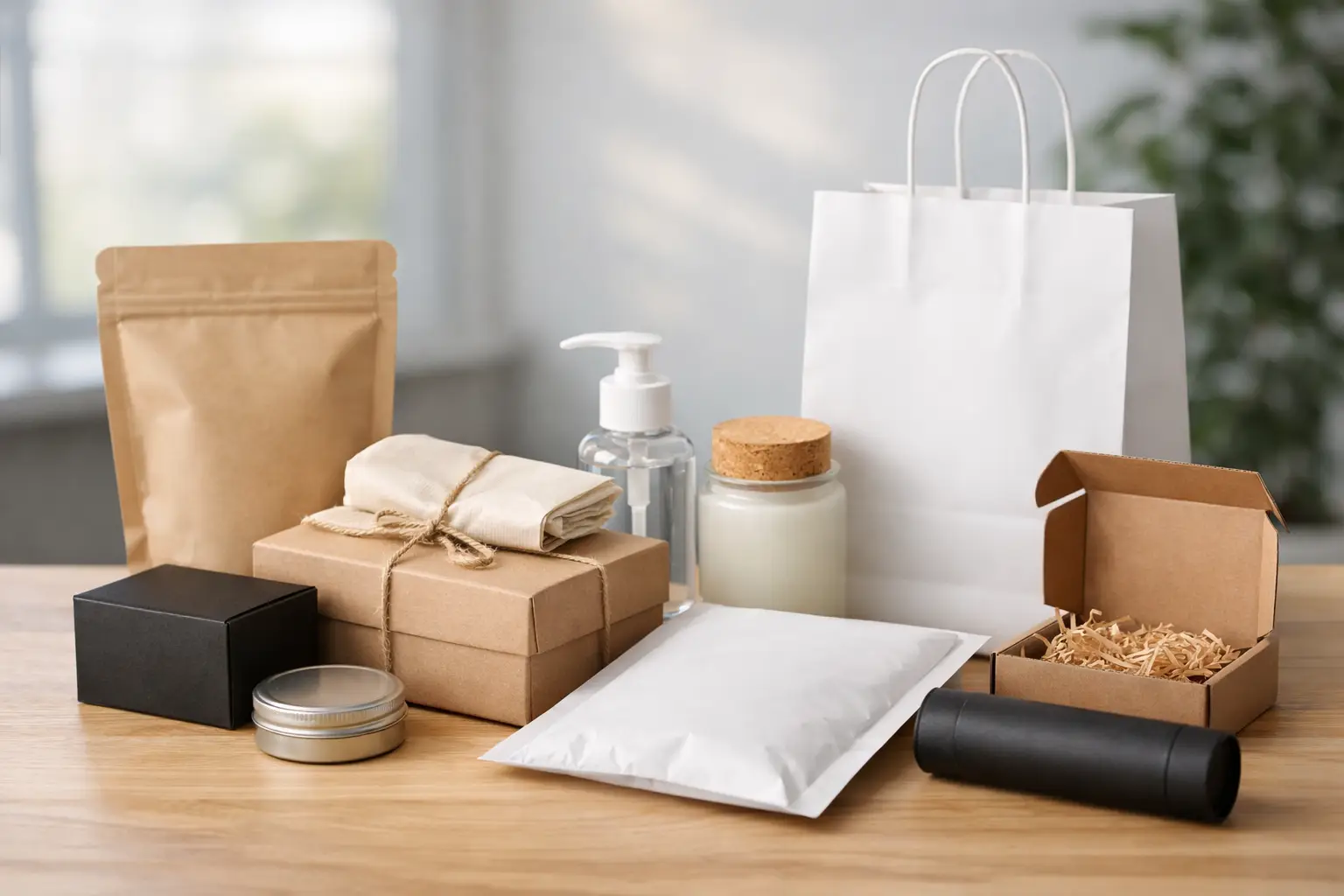
A startup usually feels the packaging decision long before it feels like a branding exercise. The wrong bag size increases fill issues. The wrong barrier shortens shelf life. The wrong order quantity ties up cash you need for inventory, ads, or production. That is why the best packaging options for startup brands are rarely about looks alone. They are about speed, product protection, flexibility, and a clear path to scale.
For most early-stage brands, flexible packaging is the strongest place to start. It keeps upfront costs lower than rigid packaging, stores efficiently, ships well, and gives you room to test products without committing to a massive printed run. But not every pouch or bag solves the same problem. The right choice depends on what you sell, how you sell it, and how quickly you expect to grow.
What startup brands actually need from packaging
Founders often start with one question: what package looks best? A better question is what package works best across launch, reorders, and growth. Startup packaging has to do several jobs at once. It has to protect the product, fit your filling process, support your sales channel, and present the brand professionally enough to win trust.
That creates trade-offs. A lower-cost stock pouch may help you launch faster, but it may not tell your brand story as clearly as a custom printed bag. A premium material structure may improve barrier performance, but it may also raise unit cost beyond what your margin can support in the first six months. The best decision is usually the one that gives you enough performance now without limiting your next move.
Best packaging options for startup brands by growth stage
The most practical way to choose packaging is to match the format to your stage of business.
Stock pouches for speed and market testing
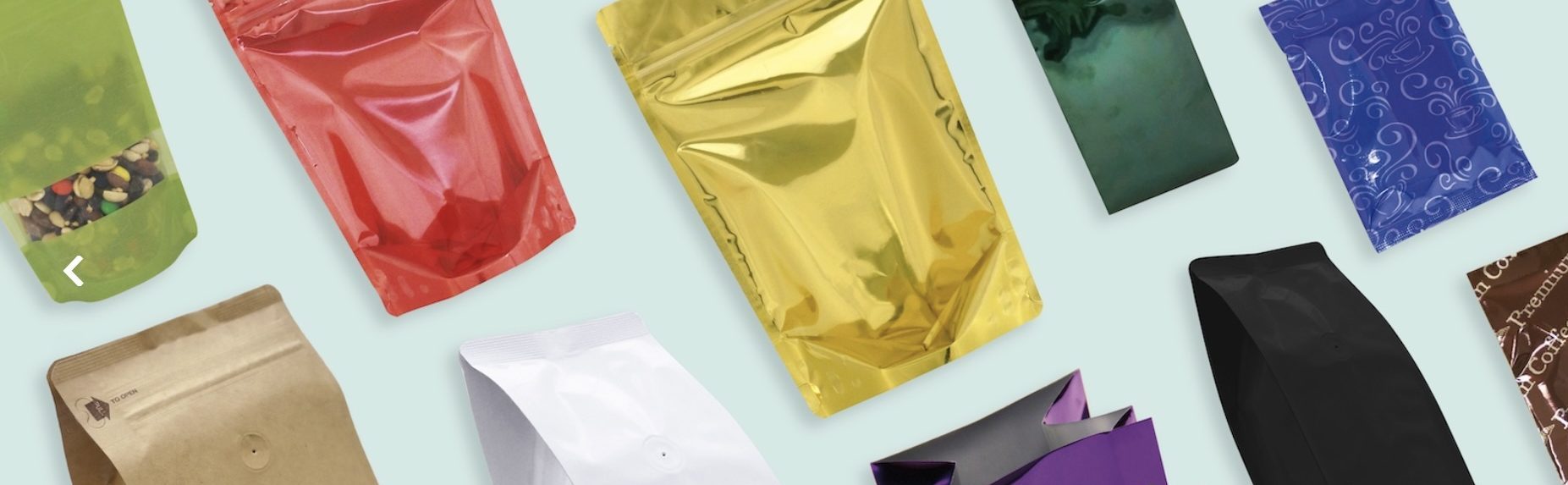
If you are launching a new product, validating demand, or entering a new channel, stock packaging is often the smartest first step. In-stock stand-up pouches, flat pouches, gusseted bags, and paper bags let brands move quickly without waiting on long custom production timelines.
This approach works especially well for startups in coffee, tea, snacks, supplements, pet treats, and dry mixes. You can buy manageable quantities, start selling, and learn from the market before investing in larger custom runs. For many brands, a stock pouch paired with a pressure-sensitive label is the cleanest way to get to market fast.
The trade-off is straightforward. Stock packaging gives you speed and lower commitment, but less visual differentiation than a custom printed package. That is acceptable when your immediate goal is launch readiness, operational simplicity, or SKU testing.
Stand-up pouches for shelf presence and versatility
Stand-up pouches are one of the best packaging options for startup brands because they solve several business problems at once. They display well on retail shelves, hold a wide range of product volumes, and offer enough printable surface area for branding, compliance text, and merchandising.
For brands selling dry goods, powders, confectionery, coffee, supplements, or pet products, this format is often the default for good reason. It is efficient, familiar to consumers, and available with features like resealable zippers, tear notches, clear windows, and hang holes.
If your product needs to stand upright, compete visually, and ship efficiently, a stand-up pouch is hard to beat. Just make sure the material structure matches the product sensitivity. A pouch that looks right but lacks the barrier needed for freshness can become expensive very quickly.
Flat pouches for samples, single-serve, and lower-cost packing
Flat pouches are a strong choice when your product does not need to stand on shelf or when you want a lower-cost format for small fills. They are commonly used for sample packs, trial sizes, single-serve products, powders, and medical or specialty items.
This format is especially useful for startups building an acquisition strategy around sampling. If you want to test flavors, include trial packs in subscription orders, or reduce packaging cost on smaller units, flat pouches can be a smart operational fit. They also use less material than some other formats, which can improve economics.
The limitation is presentation. Flat pouches typically do not command shelf space the same way a stand-up pouch does. For e-commerce and sample distribution, that may not matter. For retail merchandising, it often does.
Gusseted and square bottom bags for coffee and heavier fills
Some categories need more than a standard pouch. Coffee brands, bulk dry goods, and products with heavier fills often perform better in side-gusseted bags or square bottom bags. These formats offer structure, filling efficiency, and a shape that works well for certain product types.
Coffee is the clearest example. If you need room for degassing valves, strong shelf presentation, and a format consumers already associate with freshness, gusseted or square bottom bags may be the better fit. The same logic can apply to grains, baking mixes, or other products sold in larger pack sizes.
These bags can look premium and function well in retail, but they may require more planning around dimensions, case packing, and application features. If your operation is still highly manual, choose a format your team can fill and seal consistently.
Roll film for scaling automated production
Roll film is usually not the first move for a startup, but it becomes important once volume grows and packaging automation enters the picture. Brands using form-fill-seal equipment often shift into roll stock because it improves throughput and lowers per-unit packaging costs at scale.
This option makes sense when demand is stable, production is more standardized, and the cost savings justify the equipment and setup requirements. For a growing business, that transition can be a major operational step forward.
The caution is timing. Start too early with roll film and you may create unnecessary complexity. Start too late and you may miss opportunities to improve efficiency. The right point depends on production volume, labor costs, and whether your current packaging process is becoming a bottleneck.
When to stay with stock packaging and when to go custom
This is where many startup teams hesitate. They want custom printed packaging because it looks more established, but they are not always ready for the commitment. That hesitation is reasonable.
Stock packaging is the better choice when speed matters most, volumes are still uncertain, or you are testing multiple SKUs. It also makes sense when you need packaging in hand quickly and want to conserve capital. Adding labels, hot foil details, tin ties, or selected finishing services can still help a stock package look polished without pushing you into a full custom run.
Custom printed packaging becomes the stronger option when your product-market fit is clearer, repeat orders are more predictable, and brand presentation has a direct impact on retail expansion or category competitiveness. At that point, digital printing can be a practical bridge for shorter runs, while flexographic or rotogravure printing may make more sense as volume rises and graphics become more standardized.
The strongest packaging strategy is often phased. Launch with stock. Validate demand. Upgrade into custom when the business case is clear.
Features that matter more than founders expect
Format gets most of the attention, but packaging features often determine whether a bag performs well in the real world. Barrier protection matters if your product is sensitive to oxygen, moisture, light, or aroma loss. Resealable closures matter if consumers use the product more than once. Valves matter for fresh-roasted coffee. Hang holes matter for peg display. Tin ties matter for paper bag closure and convenience.
Founders also tend to underestimate sealing. A good pouch still fails if it is not sealed consistently. If your team is hand-packing, the right sealing equipment and application support can matter just as much as the bag itself. Packaging should fit your operation, not just your mockup.
How to choose the best packaging option for your brand
Start with the product itself. Ask what barrier it needs, what fill weight it requires, and whether the package must stand, pour, reseal, hang, or vent. Then look at your sales channel. Retail usually demands stronger shelf presence. E-commerce may prioritize shipping efficiency and damage reduction. Wholesale often needs case-pack consistency and scalable supply.
Next, look hard at your timeline and volume. If you need packaging now, stock options are usually the fastest route. If your reorder pattern is steady and branding is becoming a sales lever, it may be time to move into custom print. Finally, consider your operation. The best package on paper is still the wrong package if it slows your line, creates waste, or requires labor you do not have.
For many emerging brands, the best partner is one that can support both stages. A supplier that offers stock inventory, custom printing, and packaging application services gives you room to launch quickly and improve without changing vendors every time your business levels up. That is one reason growth-minded brands work with companies like Soestern Packaging.
Packaging should not force a startup into an oversized decision. It should give the business a reliable next step. If your packaging protects the product, supports your current operation, and leaves room to scale, you are probably closer to the right answer than you think.