




Packaging Insights
Flexible Packaging Trends for Emerging Brands

A new product rarely gets a second chance at first retail placement. If the pouch feels flimsy, the barrier is wrong, or the artwork looks like a short-run compromise, buyers notice. That is why flexible packaging trends for emerging brands are moving in a very practical direction – faster commercialization, smarter material choices, and packaging systems that can scale without forcing young brands into expensive commitments too early.
For startups and growth-stage product companies, packaging is no longer just a container. It is part operations decision, part brand asset, and part risk-management tool. The brands gaining traction are choosing packaging formats and sourcing strategies that let them test quickly, protect product quality, and upgrade presentation without rebuilding their supply chain every time a SKU grows.
Flexible packaging trends for emerging brands start with speed
The biggest shift is not aesthetic. It is operational. Emerging brands are under pressure to launch on tighter timelines, respond to retailer feedback, and adjust inventory around uneven demand. That changes what packaging buyers prioritize.
Instead of treating packaging as a one-time design exercise, more teams are building around speed to market. In practice, that means using in-stock pouches or bags for initial launch, pilot runs, seasonal products, and market testing. Once velocity is proven, they move into custom printed formats with stronger visual consistency and better unit economics at scale.
This staged approach makes sense because early forecasts are often wrong. A founder may think one size will carry the line, only to find sampler formats outperforming full-size units in e-commerce. A coffee brand may start with one roast and quickly add decaf, blends, and limited releases. A supplement company may need to revise label claims or compliance language. Flexible packaging gives these brands room to move without tying up capital in packaging inventory they may outgrow.
Shorter runs are changing how brands buy packaging
Historically, custom packaging could force smaller brands into long lead times and order quantities that did not match their actual sales volume. That gap is closing. Digital printing, short-run labeling, and value-added finishing services are making custom presentation more accessible earlier in the growth curve.
For emerging brands, this matters because the first custom package does not need to be the final package. It needs to be commercially viable. A short-run printed pouch can support a retail pitch, investor meeting, or regional test. It may not have the lowest long-term per-unit cost, but it can reduce timing risk and help a business get real feedback before committing to larger production volumes.
That trade-off is worth understanding. Short runs offer flexibility and lower upfront exposure. Higher-volume methods usually deliver stronger economics once demand is stable. The right choice depends on how proven the SKU is, how often graphics may change, and how quickly the product needs to hit the market.
Why MOQ flexibility matters more than ever
Minimum order quantity is no longer just a procurement issue. It affects cash flow, storage, product freshness, and speed of iteration. Emerging brands are increasingly looking for suppliers that can support a progression: stock packaging now, customized packaging next, and larger-scale production when growth supports it.
That progression is especially important in categories with many SKUs or frequent refreshes, such as coffee, tea, snacks, pet treats, and supplements. A business with six developing SKUs does not always need six large custom print runs. It may need one dependable packaging partner that can support testing, branding, and later scale-up.
Shelf presence is getting more technical
Good-looking packaging still matters, but the conversation has become more specific. Buyers are thinking about finish, format, functionality, and how the package performs on shelf and in fulfillment.
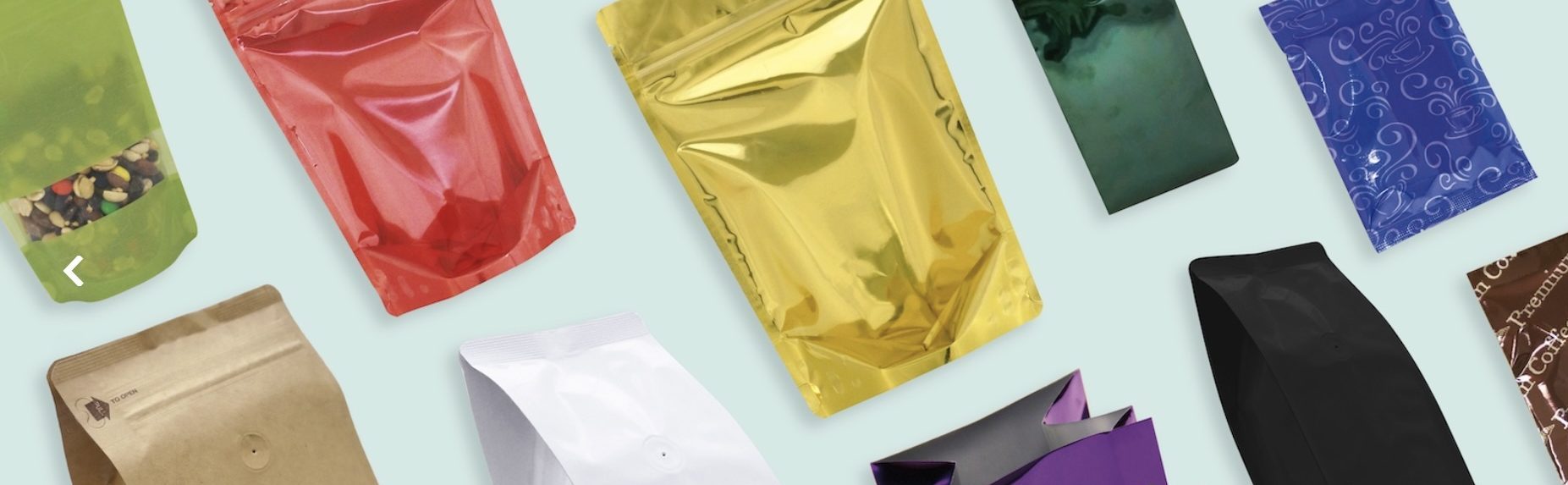
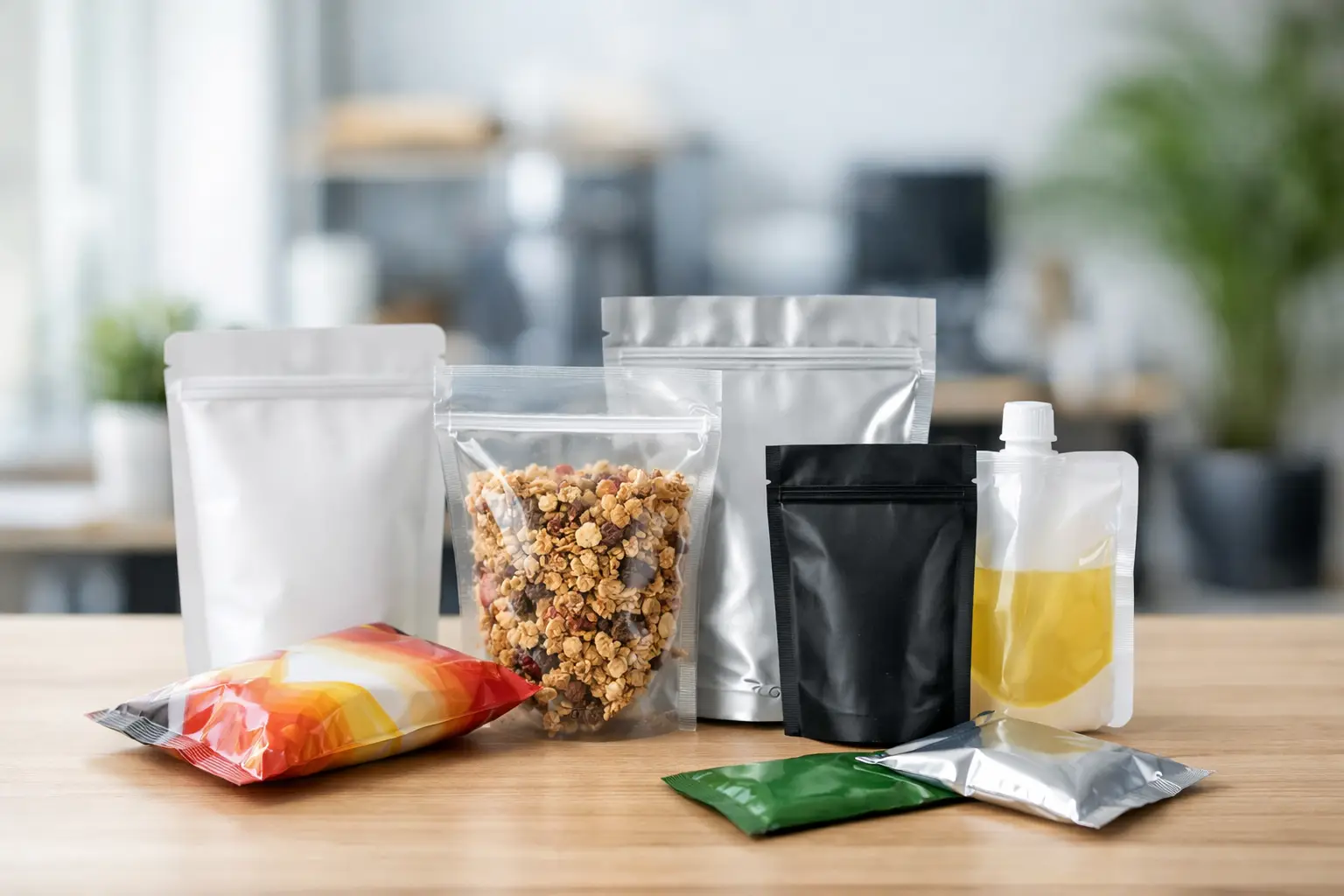
Stand-up pouches remain a strong choice because they present well, ship efficiently, and work across many dry goods categories. Flat pouches can make sense for single-serve, sample, or lower-profile products. Gusseted bags and square bottom bags continue to matter for products that need a traditional retail look or larger fill capacities. The trend is not toward one winner. It is toward choosing a format that supports both the product and the sales channel.
Finishing options are also playing a larger role. Hang holes, valves, tin ties, labels, and hot foil accents can change how a package functions and how finished it feels. For an emerging brand, these details can close the gap between a startup presentation and a retail-ready one. Still, not every product needs every upgrade. Added features should support merchandising, product protection, or user experience – not just decoration.
Matte, gloss, clear windows, and the rise of selective branding
Many brands are becoming more disciplined about where they spend on visual packaging features. Rather than overdesigning every element, they are choosing a few high-impact details. A matte pouch with a clean label may be enough for an early natural foods launch. A gloss finish or metallic accent may make more sense in premium coffee or specialty wellness. A clear window can build trust in some categories, but it may be the wrong move if light protection is critical.
This is where packaging decisions become category-specific. What helps one product stand out may weaken another product’s shelf life or complicate production. Strong packaging is rarely about adding more. It is about selecting the right combination of barrier, appearance, and functionality.
Flexible packaging trends for emerging brands include better barrier decisions
As more brands mature, they are paying closer attention to performance details that used to be left until later. Oxygen transmission, moisture resistance, puncture strength, and seal integrity all matter, particularly in food, coffee, supplements, and medical-related applications.
The trend here is simple: brands want packaging that protects product quality from the beginning, not after customer complaints force a change. That means asking better questions earlier. Does the product require a high barrier structure? Will it be shipped through e-commerce channels where handling is rougher? Does the package need to support a degassing valve? Is resealability important for repeat use?
For growing brands, there is often tension between cost and protection. A lower-cost material may look attractive on paper, but if it leads to staling, leakage, or returns, it becomes expensive quickly. On the other hand, specifying a higher-performance structure than the product actually needs can unnecessarily raise packaging spend. The right answer depends on the product’s sensitivity, fill process, distribution channel, and expected shelf life.
Sustainability is still a trend, but not in a simple way
Sustainability remains a major buying factor, especially for brands trying to align packaging with customer values. But the market has become more realistic. Buyers are asking tougher questions about what a material can actually do, how it runs on equipment, and whether claims match operational reality.
Compostable and alternative-material packaging continue to attract interest, particularly among natural and mission-driven brands. At the same time, many businesses are balancing sustainability goals against barrier needs, cost targets, and production consistency. A package that supports a sustainability message but creates sealing problems or shortens shelf life may not be the right commercial choice.
The stronger trend is thoughtful adoption. Brands are looking for options that fit their product and their channel, rather than assuming every sustainable material is a universal upgrade. That is a healthier shift for the market because it treats packaging as a system, not just a statement.
One-source support is becoming a competitive advantage
As packaging programs get more complex, emerging brands are putting more value on suppliers that can handle multiple stages of growth. That includes stock inventory, custom printing, application services, and operational support around format selection and finishing.
This trend is easy to understand. Managing separate vendors for bags, labels, valves, tin ties, and sealing equipment can slow a launch and create avoidable errors. A supplier that can support both immediate inventory needs and long-term customization reduces friction. It also helps brands move faster when demand changes.
That is one reason companies like Soestern Packaging are relevant to growth-stage buyers. The need is not just for packaging materials. It is for a dependable path from plain stock packaging to polished branded production, without having to start over with a new supplier every time the business evolves.
What emerging brands should watch next
Over the next few years, expect flexible packaging decisions to become even more tied to channel strategy. Retail, e-commerce, club, and specialty distribution all place different demands on package format, durability, and presentation. The best packaging programs will be built around those realities from the start.
Expect more selective customization as well. Brands will continue looking for ways to create a premium look without overcommitting too early. That could mean using stock structures with branded labels for a test, then moving to digitally printed pouches, then transitioning into larger-volume print methods once sales are proven.
The brands that handle this well are usually the ones that treat packaging as a growth tool rather than a last-minute purchase. When format, barrier, timing, and branding are aligned, packaging does more than hold a product. It helps a business launch with confidence, adjust without waste, and scale with fewer operational surprises.
If you are evaluating your next packaging move, the smart question is not what is trending in general. It is which of these trends actually fits your product, your volume, and your next stage of growth.