





Packaging Insights
A Guide to Medical Supply Packaging


Medical supply packaging has very little room for error. A torn pouch, poor seal, unclear labeling, or the wrong material structure can create problems that reach far beyond appearance. This guide to medical supply packaging is built for product teams, operations managers, and buyers who need packaging that protects product integrity, supports compliance, and still works in the real world of lead times, case counts, and growing SKU lines.
Unlike many consumer categories, medical supply packaging has to do more than look organized on a shelf. It often needs to protect against contamination, withstand handling across distribution channels, present instructions clearly, and fit the workflow of clinics, distributors, and end users. That means packaging decisions should start with product risk, storage conditions, and operational needs, not just format preference.
What a guide to medical supply packaging should actually cover
A useful guide to medical supply packaging should focus on function first. For medical products, packaging is part of the product experience and, in some cases, part of the protection system. Whether you are packing exam gloves, disposable instruments, gauze, diagnostic components, or non-sterile support items, the right packaging has to match the product’s sensitivity, its use environment, and its path to market.
The first question is whether the package is intended for sterile or non-sterile use. That single distinction changes almost everything. Sterile applications may require validated materials, controlled sealing parameters, and compatibility with sterilization methods. Non-sterile items still need dependable barrier performance and clean presentation, but the packaging path is often more flexible.
The next question is where and how the product will move. A unit sold through e-commerce may need stronger puncture resistance and better tamper evidence than a bulk-packed item headed to a controlled hospital supply room. A product displayed in retail may need clear branding and readable front-panel communication. A case-packed item for wholesale may prioritize space efficiency and consistency over shelf impact.
Start with product protection, not graphics
In medical supply packaging, material choice is rarely just a branding decision. Film structure, seal strength, puncture resistance, moisture barrier, and clarity all affect performance. If a package looks good but fails under shipping stress or storage exposure, it is not doing its job.
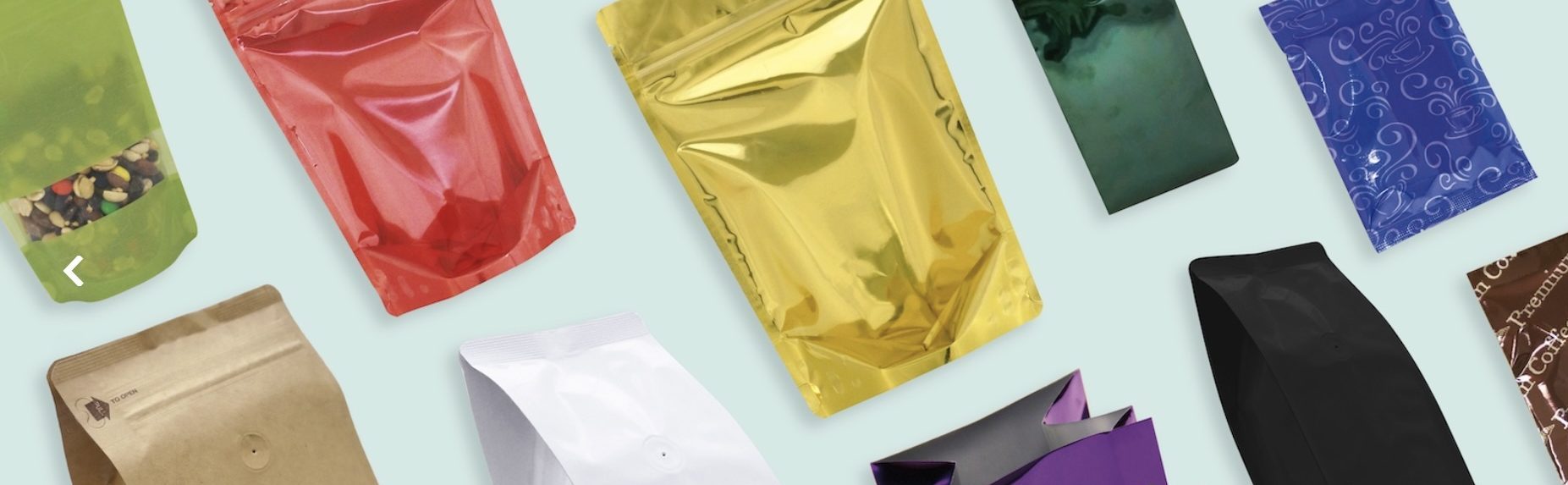
Flexible packaging is often a strong fit for many medical supply categories because it can balance protection, efficient storage, and scalable production. Flat pouches work well for slimmer products and kits. Gusseted formats can create more usable volume for bulkier items. Roll film may be the better option when a high-speed filling operation needs automation and consistency. The correct format depends on the product shape, fill process, pack-out speed, and final presentation requirements.
It also depends on how much structure the product itself provides. A rigid component may package well in a lighter pouch structure, while sharper or heavier items may need thicker films or added reinforcement. There is no single best material for every medical product. There is only the best material for the specific use case.
Compliance affects packaging choices early
Medical packaging decisions often slow down when compliance is treated as a final checkpoint instead of an early input. For regulated products, packaging may need to support labeling requirements, traceability, lot coding, instructions for use, warning statements, and tamper-evident features. If those needs are added late, teams usually end up revising artwork, changing dimensions, or switching formats after the fact.
That creates cost and delay. It can also create avoidable risk if the package surface does not support readable print or if the selected format leaves too little room for required content. Even for products that are not sterile or highly regulated, buyers should think ahead about barcode placement, expiration or lot information, and any storage or handling language needed by customers.
This is one reason stock packaging and shorter-run customization can be a practical path for newer brands or expanding product lines. It allows teams to test pack sizes, confirm artwork hierarchy, and validate operational fit before committing to larger custom runs.
Choosing the right packaging format
The right format depends on what matters most in your operation. If speed to market is the priority, stock pouches may be the most efficient route. They help teams launch quickly, support pilot runs, and reduce delay while a full branded packaging system is still being developed.
If shelf presentation matters, stand-up pouches can provide a clean front-facing panel and better retail visibility. If you need efficient storage and lower-profile packs, flat pouches may make more sense. If the product is sold in larger volumes or requires easier filling, gusseted or square bottom styles can improve both capacity and merchandising.
For high-output environments, roll stock becomes more attractive. It supports automation, offers flexibility on pack sizes, and can reduce per-unit packaging costs when volumes justify the setup. The trade-off is that roll film usually demands more coordination with equipment, sealing parameters, and line performance.
That is where many packaging projects become less about product selection and more about operational fit. The package has to run well, store well, and arrive in good condition. A lower material cost does not help if downtime, resealing, or damage claims increase.
Branding still matters in medical categories
Medical packaging is functional by nature, but that does not mean branding is optional. Buyers still judge products by clarity, organization, and visual trust signals. A clean printed pouch with well-structured labeling often communicates more confidence than a plain bag with an applied sticker, especially in retail and specialty distribution.
That said, not every product line needs full custom print on day one. For early-stage brands or new SKUs, labeled stock packaging can be a smart intermediate step. It keeps inventory flexible while the business tests demand, refines messaging, or waits for final volume forecasts. Once the product proves itself, digital print, flexographic print, or other finishing options can help the brand move into a more polished and scalable presentation.
This staged approach is especially useful in medical and adjacent health categories, where packaging updates may need internal review and tighter change control. Starting practical and upgrading strategically is often the faster path.
Operational details that buyers should not overlook
The best packaging plan usually comes down to details that are easy to miss early. Case quantity matters because it affects storage and cash flow. Seal method matters because not every facility uses the same equipment. Surface finish matters because it changes print readability and shelf appearance.
Even small add-ons can have a major effect. A hang hole may improve retail display. A tamper-evident closure may support buyer confidence. A valve, tin tie, or specialty application may not be relevant for every medical product, but finishing services in general can simplify sourcing when a brand wants one supplier to handle more of the final packaging process.
Lead time matters too. Procurement teams often focus on unit cost and overlook replenishment speed until a product starts moving faster than expected. In-stock packaging can solve immediate supply needs and reduce launch pressure. Custom packaging supports stronger branding and consistency at scale. Most growing brands need both options available, not one or the other.
How to evaluate a packaging partner
Medical supply packaging is rarely a one-time purchase. Product lines change. regulations evolve. Volumes increase. New channels create new requirements. That is why many buyers look for a partner that can support the full path from stock inventory to custom production.
A capable supplier should be able to discuss materials, format trade-offs, print methods, and application services in practical terms. They should also understand the difference between a startup trying to move fast and an established team managing larger forecasts and stricter procurement standards. The right partner helps reduce friction instead of adding it.
For brands that need both immediate packaging access and long-term customization, working with a supplier like Soestern Packaging can simplify that progression. You can start with ready-to-ship formats for speed, then move into branded pouches, roll films, or finishing services as the product line grows.
The smartest packaging choice is the one that can scale
Medical supply packaging should protect the product now without limiting the business later. That means choosing formats and suppliers that can support testing, short runs, compliance needs, and production growth without forcing a full restart every time demand changes.
A package that works for a launch may not work for a national rollout. A plain stock pouch may be perfect for early demand validation, while a custom printed structure becomes the right choice once purchasing volume, branding needs, and channel expectations increase. Good packaging planning leaves room for both stages.
If you are evaluating options, start with the product’s protection needs, then work outward to format, labeling, operations, and brand presentation. The most effective package is not the most complex one. It is the one that protects, performs, and scales with fewer surprises.