




Packaging Insights
American Made Pouches for Growing Brands

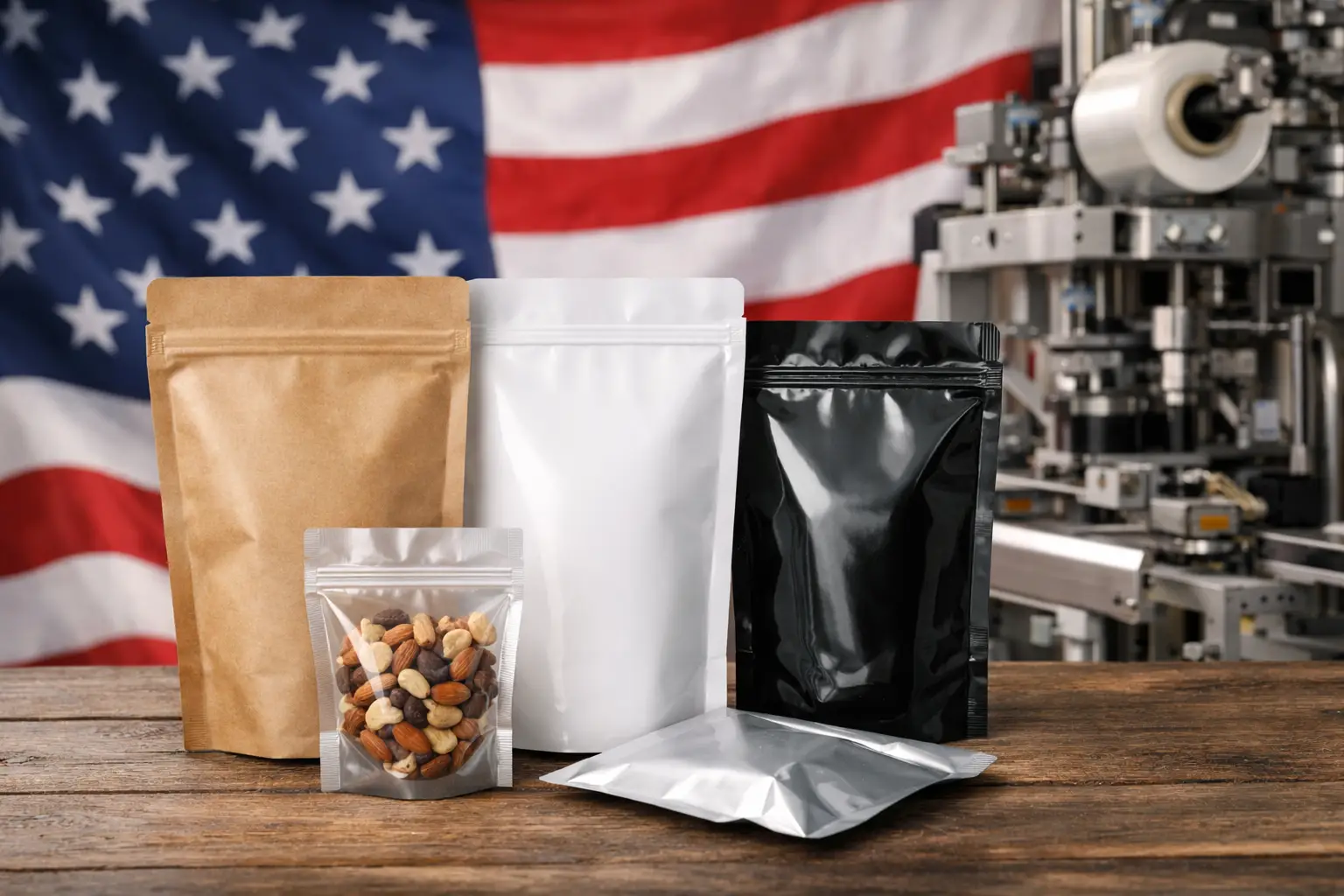
When a launch date is locked, a retailer wants samples next week, or a fast-selling SKU needs replenishment before inventory runs dry, packaging decisions stop being theoretical. That is where american made pouches stand out. For product brands that need speed, consistency, and a clearer path from trial runs to scaled production, domestic pouch manufacturing can remove a lot of friction.
For B2B buyers, the value is not just patriotic positioning. It is operational. American manufacturing often means shorter transit times, easier communication, more predictable replenishment, and a better chance of solving problems before they become production delays. If your team is balancing procurement, branding, compliance, and fulfillment, those advantages matter more than broad claims about origin.
Why american made pouches matter in real operations
Packaging is tied to timing. A pouch that looks right on a quote sheet but arrives late, prints inconsistently, or requires long reorder windows can disrupt a launch or create unnecessary carrying costs. American made pouches can help reduce those risks because production, finishing, and shipping are typically closer to your business and easier to coordinate.
That does not mean domestic sourcing is always the lowest unit-cost option. In some cases, imported packaging can offer aggressive pricing, especially at very large volumes. But unit cost is only one part of the decision. Lead time exposure, freight volatility, communication delays, and quality control issues all carry real cost. For many growing brands, the practical question is not simply what costs less per thousand units. It is what helps the business stay in stock, launch on schedule, and make adjustments without losing momentum.
This is especially true for categories with changing demand patterns, seasonal promotions, or frequent SKU expansion. Coffee roasters, tea brands, specialty food companies, supplement businesses, pet product lines, and medical supply brands often need packaging that can adapt as sales data comes in. Domestic pouch supply gives those businesses more room to respond.
Where domestic pouch sourcing has the biggest advantage
The strongest case for American made pouches usually shows up when timelines are tight or requirements are evolving. Startups often need stock packaging now, with the option to move into custom printed pouches after proving demand. Established brands may need backup supply when forecasts shift or when a co-packer suddenly needs replacement inventory.
In those situations, domestic availability can support faster decision-making. You can test a new size, adjust artwork, add a valve, apply a tin tie, or refine a retail presentation without the same level of delay that often comes with offshore production cycles. That flexibility has direct value for purchasing teams and brand managers who are trying to keep products moving through multiple channels.
There is also a service advantage. When your supplier understands pouch construction, application services, and production constraints, you get more than a product catalog. You get help matching the right format to the item inside, the filling process, and the selling environment. That matters because the wrong pouch can create downstream problems in sealing, shelf presentation, shipping durability, or consumer use.
Choosing the right pouch format
Not every product needs the same structure, barrier level, or pack style. A good sourcing decision starts with format selection, not just price.
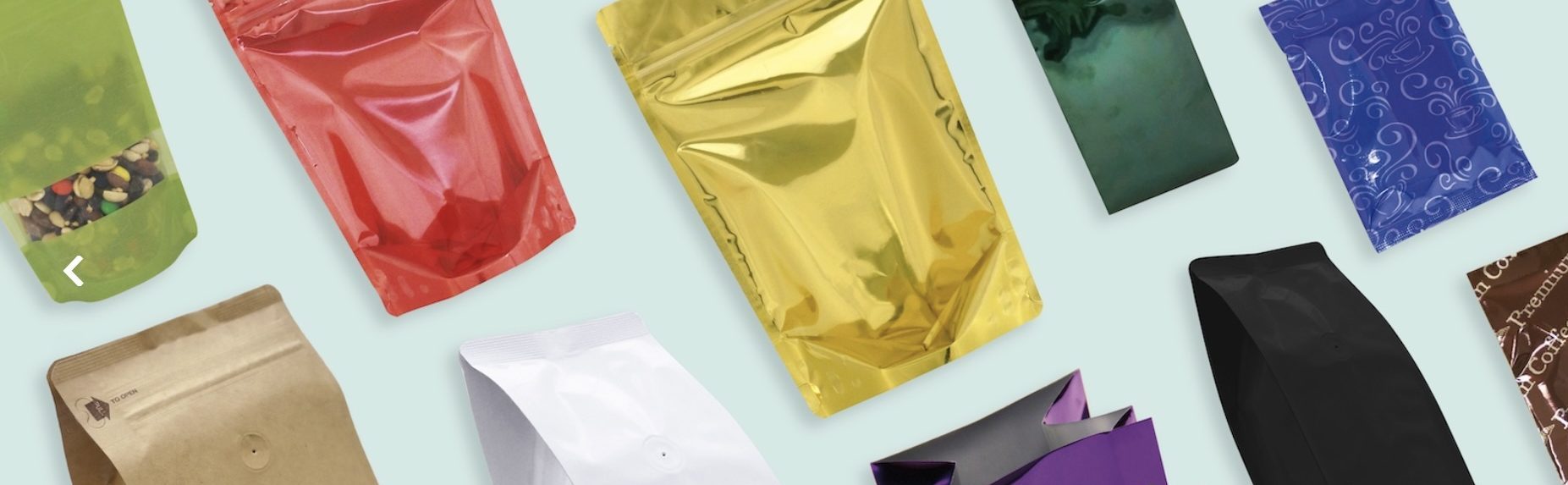
Stand-up pouches are often the first choice for brands that want shelf presence and efficient storage. They work well for snack foods, supplements, powders, pet treats, and many dry goods because they combine visual impact with practical pack-out. Flat pouches can make more sense when space savings and simple presentation are the priority, especially for single-serve items, samples, or compact retail packaging.
Gusseted bags and square bottom bags are common when volume, shape, and fill behavior matter. Coffee, tea, and bulk dry goods often benefit from these formats because they support larger capacities and more stable merchandising. Paper tin tie bags can be a strong fit for bakery, coffee, tea, and specialty food applications where a more traditional look matters and resealability is helpful.
Material choice matters just as much as style. Barrier requirements vary by category. Coffee may need degassing valve options and strong aroma protection. Supplements may require moisture and oxygen resistance. Some brands are also evaluating compostable structures, though the right choice depends on product compatibility, shelf-life expectations, and end-use conditions. Sustainability goals are important, but they still need to align with actual product protection.
Stock first, custom second is often the smart path
One of the most practical uses of american made pouches is giving brands a staged packaging strategy. Many businesses do not need custom printed inventory on day one. They need a high-quality stock pouch that is ready to ship, works with existing filling processes, and lets them enter the market quickly.
That approach lowers risk. A startup can validate product-market fit without committing to large custom runs. A growing brand can launch a seasonal SKU or regional test with less exposure. If the product performs, the business can shift into custom printed packaging with better confidence around volume, artwork, and merchandising requirements.
This progression also improves brand control. Instead of rushing into a printed pouch before the label claims, color system, net weight, or channel strategy are fully settled, companies can refine the offer first. Once the SKU proves itself, custom printing, labeling, hot foil stamping, or other finishing options become a scaling tool rather than a speculative expense.
What to look for in an American pouch supplier
Domestic manufacturing only solves part of the problem. The supplier still needs the depth to support your operation.
First, look for inventory strength. If a supplier promotes speed but does not have meaningful stock on the floor, the benefit is limited. Ready-to-ship pouch inventory is what allows brands to move quickly on launch packaging, replenishment, or urgent changes.
Second, evaluate print and finishing capabilities. A supplier that can support digital printing for shorter runs and flexographic or rotogravure printing for scaled production gives you more room to grow without changing partners. Finishing services such as labeling, valve application, tin tie application, and hang hole application also matter because they can simplify your supply chain.
Third, pay attention to consultative support. Business buyers do not just need a quote. They need guidance on dimensions, film structure, seal performance, fill efficiency, and retail presentation. If your team is comparing pouch formats or trying to avoid overbuying custom inventory, practical guidance is part of the value.
This is where a packaging partner like Soestern Packaging fits well for many brands. The combination of stock availability, American manufacturing, custom printing options, and application services supports a smoother path from launch packaging to scaled branded production.
The trade-offs buyers should weigh
American made pouches are not automatically the right fit for every packaging program. If your volumes are extremely high and your forecasts are stable months in advance, offshore manufacturing may still be part of the equation. Some large programs are optimized around long production cycles and container-level purchasing.
But that model works best when demand is predictable, artwork changes are limited, and the business has enough lead time cushion to absorb disruption. Many brands do not operate that way. They are adding SKUs, updating compliance panels, entering new retailers, testing promotions, or responding to changing input costs. In those cases, agility can be worth more than chasing the lowest possible piece price.
It also depends on the role of packaging in your brand. If the pouch is central to shelf appeal, freshness, consumer convenience, or regulated product handling, reliability matters. A lower-cost pouch that creates delays or quality concerns can cost more in missed sales, labor complications, or rushed substitutions.
A better way to think about pouch sourcing
For most growing brands, the best packaging decision is the one that supports the next stage of business without creating preventable bottlenecks. That is the practical case for american made pouches. They can help shorten the gap between idea and launch, reduce risk during SKU expansion, and keep replenishment more manageable when demand changes faster than forecasts.
If you are evaluating pouch supply, think beyond the immediate order. Look at how quickly you can replenish, how easily you can transition from stock to custom, and how much support you will get when specifications change. Packaging should help your operation move, not slow it down.
The right pouch program gives your brand room to test, sell, and scale with fewer surprises – and that kind of stability is hard to overvalue when the market is moving fast.