




Packaging Insights
Best Packaging for Product Testing


A test launch can fail for the wrong reason if the package gets in the way. The best packaging for product testing is not always the cheapest option or the most polished one. It is the format that protects the product, presents it clearly, and lets your team move fast without locking into inventory you may outgrow in sixty days.
For brands testing a new SKU, a seasonal flavor, or a market expansion, packaging has a job to do beyond simple containment. It needs to support real-world feedback. That means shelf appeal if you are selling retail, durability if you are shipping direct to consumer, and enough flexibility that you can make changes after the first round of results. In most cases, flexible packaging gives businesses the best balance of speed, cost control, and scalability.
What makes the best packaging for product testing?
Testing packaging is a business decision before it is a branding decision. You are trying to validate product-market fit, pricing, messaging, pack size, and channel performance. The package should help you gather those answers quickly.
The best packaging for product testing usually has five traits. It is available without long lead times, works with your product’s barrier and sealing requirements, keeps unit economics under control, allows basic branding, and can scale into a more finished version if the product gains traction. If one of those pieces is missing, the test can become noisy. You may think the product underperformed when the real issue was poor package function, unclear presentation, or delayed launch timing.
This is why many brands start with stock flexible packaging rather than custom printed packaging. In-stock pouches and bags let you get product into market faster, preserve cash, and avoid committing to large printed runs before you have real demand data. Once the test proves out, the move into custom printing becomes much more strategic.
Why flexible packaging is often the right testing choice
For many food, beverage, supplement, pet, and specialty consumer products, flexible packaging is the most practical starting point. It offers a broad range of sizes and structures, good shelf efficiency, and lower initial commitment than many rigid formats.
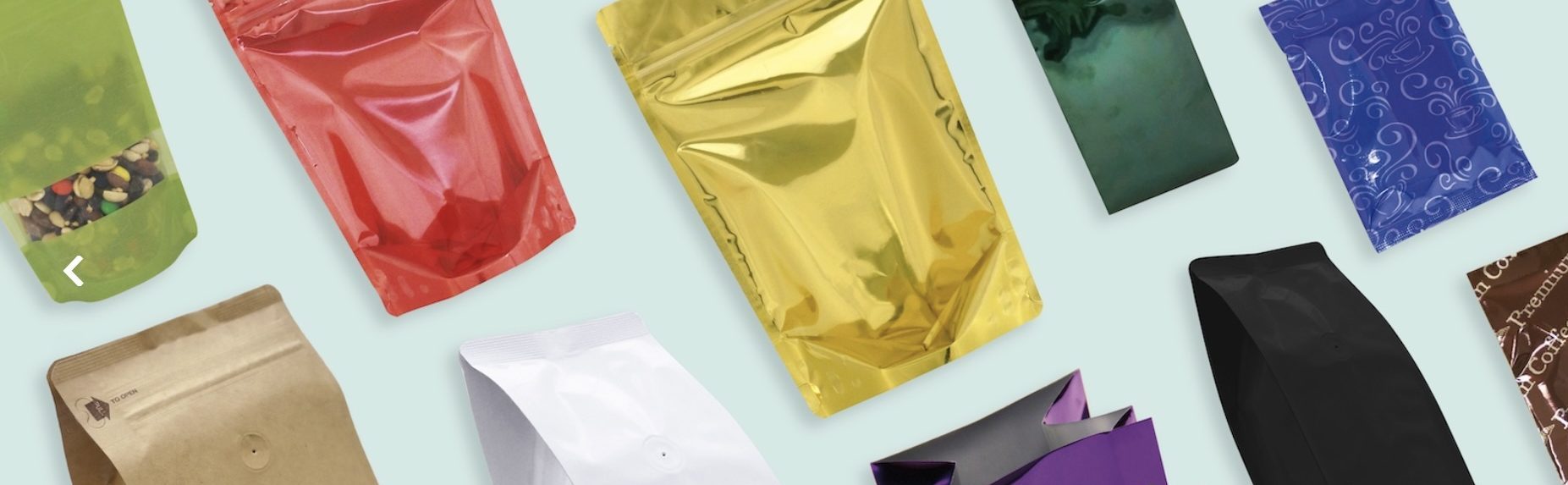
Stand-up pouches are often the leading choice because they display well, ship efficiently, and provide enough front and back panel space for branding and compliance content. Flat pouches can make sense for sample packs, single-serve formats, and lower-cost trial runs. Gusseted bags and square bottom bags are common when the product needs more traditional shelf presence or larger fill volumes, especially in coffee, tea, and dry goods.
The real advantage is operational. Flexible packaging can support a fast launch with stock inventory, then transition into printed pouches, rollstock, or finished bags once your volume justifies it. That path matters for growing brands because the first packaging decision should not trap the second one.
Match the format to the way you are testing
Not every product test has the same goal. A farmers market launch, a regional retail trial, and an e-commerce soft launch all put different pressure on the package.
If you are testing on shelf, appearance and upright stability matter. A stand-up pouch or square bottom bag usually gives you better visual impact and easier merchandising than a simple flat pack. If you are testing through e-commerce, survivability during transit becomes more important. The package needs to resist punctures, maintain seal integrity, and arrive looking intentional rather than improvised.
For sample programs or low-commitment offers, smaller flat pouches can work well because they keep the cost per unit low and reduce product giveaway. For coffee and other aroma-sensitive products, venting and barrier performance need to be part of the test from the start. For powdered supplements or functional blends, resealability may influence repeat purchase more than many brands expect.
That is where trade-offs come in. A lower-cost bag may help protect margin during testing, but if it lacks the right barrier or user experience, the data you collect may be misleading. Good testing packaging should be simple, not stripped down to the point that it changes how the product performs.
Materials matter more than buyers sometimes expect
The package format gets most of the attention, but material structure often decides whether the test is valid. A product that loses freshness, picks up moisture, or leaks aroma during a short trial period is not really being tested under fair conditions.
Dry foods, snacks, coffee, tea, spices, supplements, and pet products all have different barrier needs. Some require strong moisture and oxygen protection. Others need puncture resistance or grease resistance. In some categories, sustainability goals also affect material selection, including interest in recyclable-ready or compostable options, though those choices need to be weighed carefully against product protection and machine compatibility.
The right question is not, “What is the cheapest material I can use for this test?” It is, “What material gives this product a fair chance in market without overbuilding the package?” If your packaging is stronger than necessary, cost rises. If it is too light for the application, the test data becomes unreliable. The best answer usually sits in the middle.
Branding for testing should be lean, not generic
A test package does not need full-scale graphics to work. It does need to look credible. Buyers make fast judgments, and packaging that feels temporary in the wrong way can hurt conversion.
For many early-stage launches, stock pouches with pressure-sensitive labels are a practical choice. They let you test product name, flavor callouts, claims, and basic design direction without committing to a full print run. This is especially useful when formulas, nutrition panels, or positioning may still change.
That said, labels are not always the best long-term testing solution. If your category is highly visual or shelf competition is intense, digital printing may be worth considering earlier. It allows lower minimums than traditional high-volume print methods and gives growing brands a cleaner retail presentation while still keeping flexibility. The decision depends on your sales channel, expected volume, and how much packaging appearance affects purchase behavior in your category.
Cost control is important, but speed usually matters more
Testing is about learning quickly. A lower unit price does not help much if long lead times push your launch back a quarter or force you to miss a seasonal window.
That is why ready-to-ship inventory can be such a strong advantage. Stock packaging lets operations teams move from filling to market faster, with fewer variables to manage. It also reduces the risk of sitting on unused printed inventory if product specs, branding, or sales projections change after the first wave.
For many brands, the smartest path is staged. Start with stock packaging and simple branding. Confirm demand, gather feedback, and identify operational issues. Then move into custom printed packaging once the product has earned that investment. That approach keeps cash flow healthier and packaging decisions more grounded in real sales data.
When to move from test packaging to custom production
There is a point where testing packaging starts to create limits instead of flexibility. If reorder frequency is increasing, labels are becoming operationally inefficient, or your product is winning placement where presentation matters more, it may be time to step up into custom packaging.
This transition works best when the original package format can carry forward into the next stage. A brand that starts in a stock stand-up pouch, for example, can often move into digitally printed or flexographically printed versions of a similar structure without redesigning the full operation. That continuity helps with fill process, case packing, and merchandising.
This is also where working with a supplier that can handle stock packaging, custom printing, and finishing services becomes valuable. Instead of re-sourcing every time your needs change, you can build from a proven base. For businesses trying to launch fast and scale responsibly, that kind of packaging pathway reduces friction.
How to choose the best packaging for product testing
The right choice usually becomes clearer when you filter it through three practical questions. First, what does the product need to stay protected and compliant? Second, where is the package being tested – retail shelf, e-commerce shipment, wholesale case pack, or a mix? Third, what level of branding flexibility do you need before locking in artwork and volume?
If speed is the top priority, stock pouches or bags with labeling are often the best starting point. If shelf appearance is central to the test, digitally printed flexible packaging may be the stronger option. If the product has strict barrier needs, do not compromise those just to lower the initial packaging cost.
For brands that want a practical launch path, Soestern Packaging supports this progression well: start with in-stock bags and pouches, validate the market, then move into branded production when the numbers support it.
The best test packaging gives you clean feedback. It protects the product, supports the sale, and leaves room to improve. That is what makes it useful not just for launch, but for growth.