


Packaging Insights
Food Safe Pouch Materials Explained


A pouch can look right on the shelf and still be the wrong fit for the product inside. That is usually where packaging problems start. When brands evaluate food safe pouch materials, the real question is not just whether a pouch can hold food. It is whether the structure protects flavor, handles filling conditions, seals consistently, supports compliance, and still makes sense for your budget and production plan.
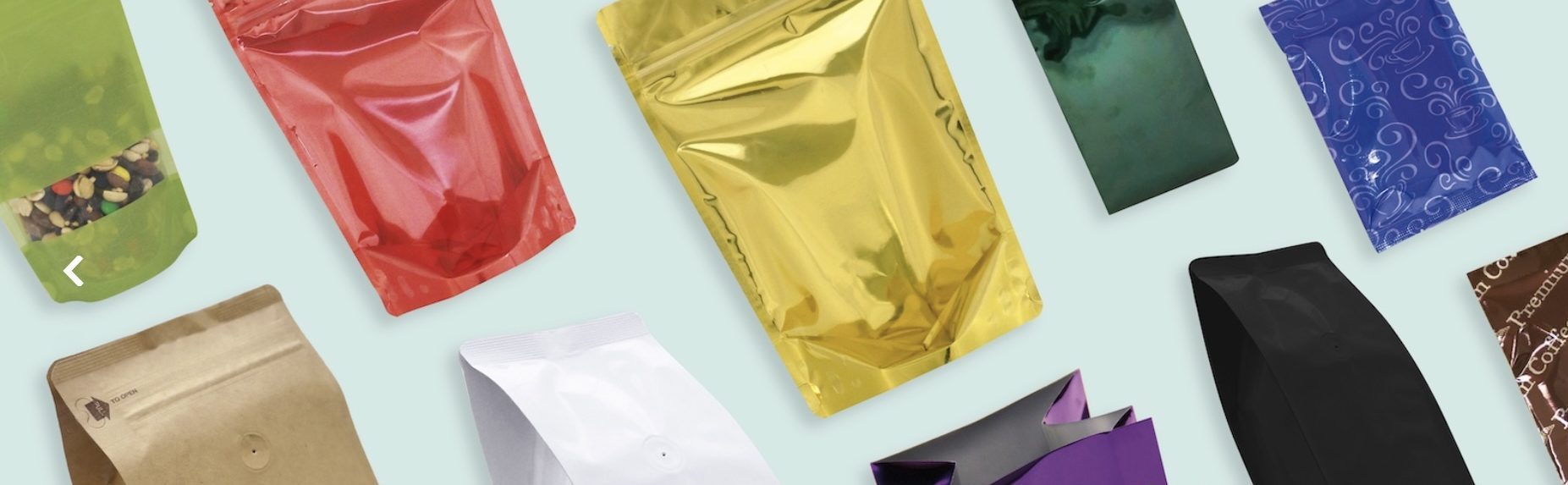
For food brands, coffee roasters, tea companies, snack manufacturers, supplement packagers, and pet treat businesses, material choice affects more than product safety. It shapes shelf life, freight performance, printability, puncture resistance, and how easily you can move from a small launch to larger production volumes. A pouch is never just a bag. It is a packaging system.
What food safe pouch materials actually mean
In practical terms, food safe pouch materials are packaging materials suitable for direct or indirect food contact when produced and used correctly. That includes the resin itself, adhesives, inks, coatings, and any added features like zippers or degassing valves. Buyers sometimes focus on the outer appearance of a pouch, but compliance and performance come from the full structure.
That matters because two pouches that look nearly identical can behave very differently in production. One may offer strong oxygen and moisture barriers, while the other is better suited for short shelf life products. One may run cleanly on your sealing equipment, while the other needs tighter process control. The term food safe is necessary, but it is not specific enough to make a purchasing decision on its own.
Common food safe pouch materials and how they perform
Most flexible food pouches use layered materials because no single substrate does every job well. Each layer contributes something different, whether that is stiffness, puncture resistance, heat sealability, barrier protection, or print surface quality.
Polyethylene for sealability and moisture resistance
Polyethylene, often called PE, is widely used as an inner sealant layer. It offers good moisture resistance and dependable heat sealing, which is one reason it appears in many snack, dry mix, and frozen food applications. It is also relatively economical.
The trade-off is barrier performance. PE alone is not typically the best answer for products that need strong oxygen protection. If your product is sensitive to oxidation, aroma loss, or flavor degradation, PE usually works best as part of a multi-layer structure rather than as a standalone material.
Polypropylene for clarity and heat tolerance
Polypropylene, or PP, is another common food packaging material. It can provide good clarity and stronger heat resistance than PE in some applications, which makes it useful for certain filled products or pouches exposed to warmer conditions. Oriented polypropylene films are often chosen when appearance and stiffness matter.
Like PE, PP has strengths and limits. It can be a good fit for dry goods, confectionery, and products where presentation matters, but the final structure still needs to match the product’s barrier requirements and sealing demands.
Polyester for strength and printability
Polyester, often PET, is commonly used as an outer layer. It brings durability, dimensional stability, and a strong printable surface. For brands moving into custom printed pouches, PET is often part of a structure that supports high-quality graphics without sacrificing package performance.
PET is not usually selected as the food-contact seal layer by itself. Its role is more often structural and visual. If you need a pouch that looks polished on shelf and holds up through handling and transit, PET often plays an important part.
Metallized films and foil for barrier protection
When products need stronger protection from oxygen, moisture, and light, metallized films or aluminum foil become more relevant. Coffee, sensitive powders, certain snacks, and products with oils often benefit from these higher-barrier structures.
Foil delivers excellent barrier performance, but it can reduce flexibility and may crack under certain stress conditions if the pouch is not well designed for the application. Metallized films can provide a middle ground, offering improved barrier with a different look, feel, and cost profile. This is where application details matter. Shelf life goals, fill process, and expected handling all affect the decision.
Paper-based structures for appearance and market positioning
Paper pouches or paper-laminated structures are often selected for natural, artisanal, or specialty retail presentation. They can perform well when paired with the right inner liner or barrier layer. For bakery, coffee, tea, and dry food categories, paper can support a premium visual identity.
Still, paper alone is not the answer for most food applications. It typically needs a functional lining or laminate to support food safety, sealing, and barrier performance. Buyers sometimes choose paper for brand aesthetics first, then discover the product needs a stronger internal structure. That is avoidable when packaging is selected around both appearance and use case.
Why product type should drive material selection
The right pouch material depends on what you are packing, how it is filled, and how long it needs to remain stable. A dry trail mix has different needs than ground coffee. A powdered supplement has different concerns than jerky or pet treats.
Moisture sensitivity is one major factor. Products that must stay crisp need strong moisture protection. Oxygen sensitivity is another. If exposure to air causes staleness, color change, rancidity, or aroma loss, barrier performance becomes a higher priority. Light sensitivity can also matter for certain ingredients, especially in products with oils, botanicals, or active compounds.
Texture and shape matter too. Sharp-edged snacks, hard treats, or dense granular products can stress pouch walls and seals. A material that works for powder may fail with a puncture-prone product. This is why packaging buyers should evaluate pouch materials against actual product behavior, not just category assumptions.
Food safe pouch materials and sealing performance
A pouch is only as reliable as its seal. You can have the right barrier structure and still lose product quality if the seals are inconsistent. Sealant layers, sealing windows, dwell time, temperature, and equipment compatibility all influence final package integrity.
This is especially important for brands moving from hand filling or tabletop sealing into higher throughput operations. The material has to match the process. Some structures are more forgiving on manual or semi-automatic equipment. Others are better suited to production environments with tighter controls.
If your operation is scaling, it helps to think beyond today’s run size. A pouch that works for a pilot batch may not be the best fit once you increase speed, add automation, or move into custom converting. Material choice should support where your business is going, not just where it is now.
Compliance matters, but documentation matters too
Food packaging buyers should expect more than verbal assurance that a pouch is food safe. Material specifications and supplier documentation matter, especially for regulated or quality-sensitive categories. The supplier should be able to speak clearly about material composition, intended use, and production standards.
That is particularly relevant for brands selling through retail, wholesale, or larger distribution channels where packaging scrutiny increases. Procurement teams and operations managers often need consistency across multiple orders, not just a one-time answer. Reliable sourcing is part of food safety planning.
How to choose food safe pouch materials without overbuying
Many brands make one of two mistakes. They either under-spec the pouch and create performance issues, or they over-spec it and pay for barrier and features they do not actually need. The better approach is to match the structure to the product, sales channel, and production stage.
If you are testing a new SKU, it often makes sense to start with an in-stock pouch that fits the product’s basic protection needs, then refine as velocity, shelf life data, and branding requirements become clearer. If you already know the product has demanding barrier requirements or a specific retail target, moving into a custom structure earlier can save time later.
This is where a consultative supplier adds value. Instead of selling a pouch by appearance alone, they help align material, format, and finishing services with the actual business case. For a growing brand, that can mean starting with stock inventory and transitioning into custom printed packaging once demand is proven. That kind of pathway keeps packaging practical while leaving room to scale.
At Soestern Packaging, that conversation usually starts with the product itself – what it is, how it is packed, what conditions it faces, and where the brand wants to go next.
The material is part of the product experience
Food packaging has to do two jobs at once. It must protect the product, and it must support how the product is sold. The best pouch materials do both without forcing a compromise you will regret later.
If your pouch material holds flavor, seals cleanly, presents well, and fits your current production model, you are in a strong position. If it can also scale into custom branding and higher volumes, even better. The smartest packaging decisions are rarely about chasing the most advanced structure on paper. They are about choosing the right one for the product, the process, and the market you are building toward.