





Packaging Insights
How to Source Stock Packaging for Your Brand

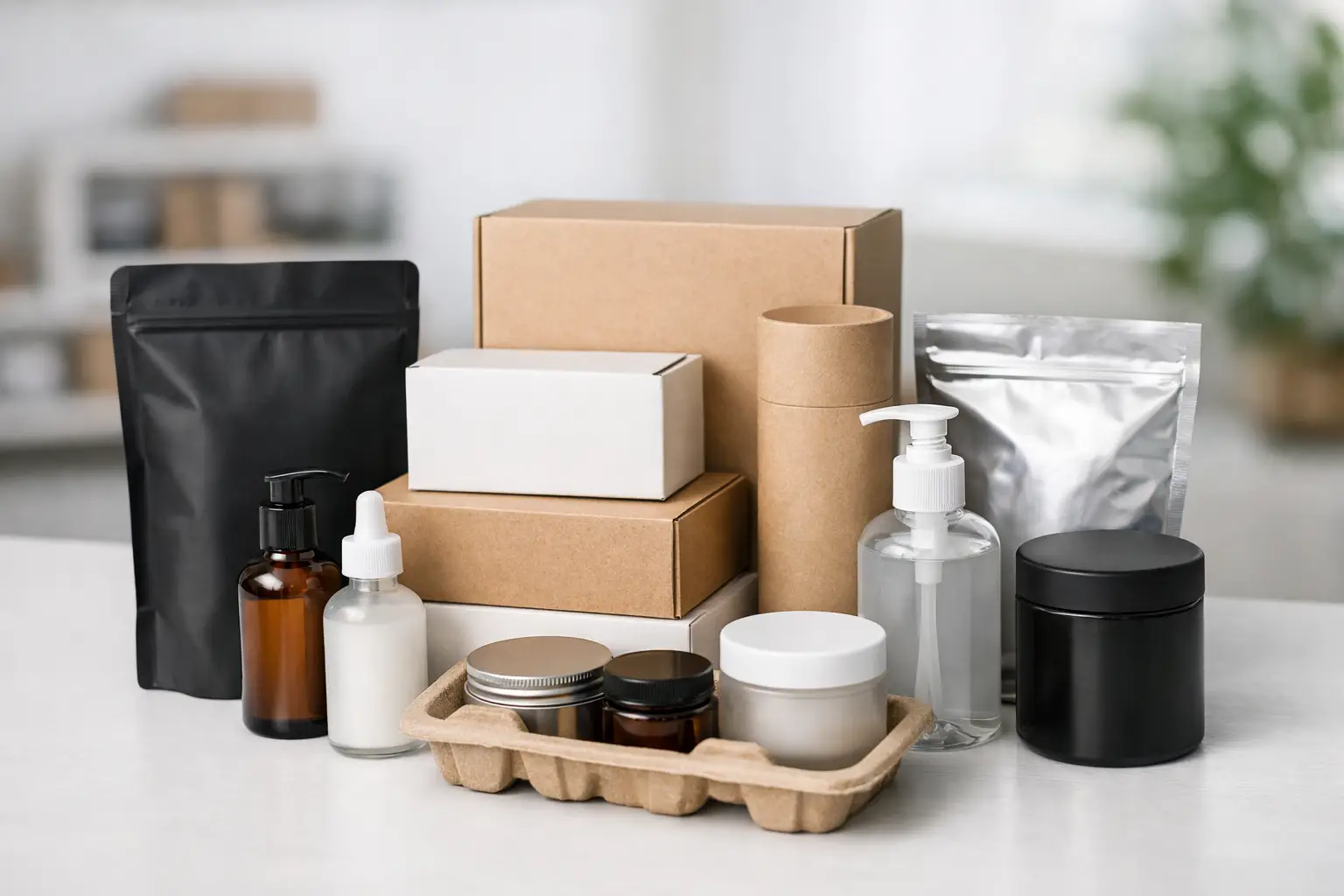
When a launch date is approaching, packaging cannot become the item holding up production. Knowing how to source stock packaging gives your team a practical way to protect the product, test the market, and start selling without waiting for a custom print run. The right stock bag or pouch can move a new SKU from filling line to shelf quickly – provided you specify it correctly.
Stock packaging is not a shortcut in the negative sense. It is a purchasing strategy. It lets brands confirm demand, refine product sizes, and build a packaging system before committing capital to custom artwork, printing plates, or high-volume inventory. The key is to buy for the product and operation you have now while keeping a clear path to the packaging you will need as volume grows.
Start With the Product, Not the Bag
The first decision is not pouch color or finish. It is what the package must do for the product inside. A bag for whole-bean coffee has different requirements than a pouch for powdered supplements, dried pet treats, or medical supplies. Product weight, bulk density, particle shape, moisture level, oxygen sensitivity, and intended shelf life all affect the appropriate packaging specification.
Start by documenting the finished product, including its fill weight and approximate volume. A 12-ounce product does not always fit a 12-ounce bag. For example, light, bulky items may require more package volume than dense powders at the same net weight. If your product is measured by volume, identify the amount of headspace needed for filling and sealing as well.
Then consider what the product needs to stay saleable. Foods with fats, aromas, or moisture sensitivity often require stronger barrier properties than dry, stable goods. Coffee may need a degassing valve. Products meant for repeated use may benefit from a zipper closure. Sharp or irregular contents can call for a heavier material or a format with greater puncture resistance. Packaging should be evaluated as part of the product protection plan, not as an afterthought to branding.
Choose a Stock Packaging Format That Fits Your Operation
The best stock format depends on how customers use the product, how it is filled, and where it will be sold. Flexible packaging gives brands several practical options without requiring a custom-manufactured structure.
Stand-up pouches are a strong choice for retail shelves and e-commerce because they create a stable display footprint. They work well for snacks, supplements, pet products, coffee, tea, and many dry goods. A resealable zipper can add convenience, while a tear notch helps customers open the pouch cleanly.
Flat pouches are often a space-efficient option for samples, single-serve products, smaller quantities, and lightweight goods. Gusseted bags and square bottom bags offer more capacity and a traditional bag profile that suits coffee, bakery items, dry foods, and specialty retail products. Paper tin tie bags provide a natural, familiar presentation for products that benefit from easy reclosure and a paper-forward look.
Roll film may be the better purchase when your operation uses form-fill-seal equipment. Rather than buying pre-made pouches, you can run the film through compatible machinery to create packages at higher volumes. This can be highly efficient, but it also places more responsibility on matching film specifications to your equipment, seal conditions, and production speeds.
Format selection should account for the filling process. A pouch that looks right on a screen can create avoidable downtime if it does not run consistently on your sealer or if its opening is too narrow for your filler. Confirm usable dimensions, not only the stated outer dimensions. If you are moving from hand filling to semi-automatic or automated filling, plan for that transition before purchasing large case quantities.
Specify Material, Barrier, and Closure Requirements
Stock packaging often comes in several material structures, finishes, and colors. These differences are functional as well as visual. Clear packaging can showcase the product, but it may not be suitable for light-sensitive contents. Metallic or opaque structures can improve light protection and create a stronger shelf presence. Kraft-style materials may support a natural product presentation, although the actual barrier layer should still be matched to the product’s needs.
Ask a supplier for the specifications that matter to your use case: material construction, thickness, barrier characteristics, heat-seal requirements, and recommended storage conditions. If the product is regulated, perishable, or particularly sensitive, involve your quality, compliance, and food safety teams early. Packaging selection does not replace required product testing, shelf-life validation, or labeling compliance.
Closure features deserve the same attention. A zipper adds value for multi-use products, but it may not be necessary for single-use items. Tear notches improve opening convenience. Hang holes can support pegboard display. One-way degassing valves are a common requirement for freshly roasted coffee. These features can sometimes be sourced as ready-made stock options or added through application services, allowing a brand to avoid a fully custom run before it is ready.
Size the Package Through Real-World Testing
Do not rely on a product photo or a rough capacity description alone. Request samples, then fill, seal, handle, store, and ship them under realistic conditions. This is where many costly assumptions are caught.
Test the package at its intended fill weight and with the actual production method. Check whether the product settles after filling, whether the top seal has enough clean material to close consistently, and whether the pouch stands as expected. For e-commerce, pack the finished item in its shipping configuration and look for scuffing, punctures, seal failures, or excess movement.
A few sample runs can also reveal whether a matte finish shows handling marks, whether a clear window is positioned correctly, or whether a larger pouch makes the product appear underfilled. These details influence both operational performance and customer perception. The lowest-cost bag becomes expensive if it creates rework, product loss, or a poor unboxing experience.
Evaluate Suppliers for Availability and Follow-Through
A stock packaging supplier should offer more than a catalog of bag sizes. Availability, lead times, case quantities, product consistency, and knowledgeable support all affect whether the purchase works for your business.
Confirm that the packaging is actually in stock and ask how inventory is managed for repeat buyers. If a particular size or color is central to your product line, you need visibility into replenishment timing before making it part of a launch plan. Review minimum order quantities, case pack counts, shipping costs, and any freight incentives so the total delivered cost is clear.
Supplier capability matters beyond the initial order. Brands often begin with plain stock packaging and apply labels as they test formulas, flavors, or markets. As sales increase, they may move to digitally printed pouches for shorter custom runs, then flexographic or rotogravure printing for larger-scale production. A supplier that supports both stock purchasing and custom packaging reduces the disruption of changing partners during growth.
It is also worth asking about finishing capabilities. Labeling, hot foil stamping, valve application, tin tie application, and hang hole application can help create a more retail-ready package while you are still using a stock base bag. At Soestern Packaging, this pathway allows companies to purchase ready-to-ship packaging today and add the right level of brand presentation as their volume and requirements develop.
Build a Smart First Order
Your first stock packaging order should balance unit economics with the value of flexibility. Ordering too little can increase shipping costs and force frequent reorders. Ordering too much can tie up cash, warehouse space, and inventory in a format that may no longer suit the product after launch.
Begin with a demand forecast based on realistic sales channels, not best-case projections. Estimate expected monthly unit volume, then account for production waste, samples, retailer requirements, and a reasonable safety stock. If you offer multiple flavors or sizes, calculate each SKU separately. A single package format may work across several products, but only if the fill volume, label area, and product-protection needs are compatible.
For an early launch, stock packaging paired with a professionally applied label is often the right commercial balance. It lets you test pricing, messaging, and product-market fit before committing to printed inventory. Once the SKU is proven, custom printing can improve shelf recognition, reduce the labor of applying labels, and create a more cohesive retail presentation.
Plan the Move From Stock to Custom
Stock packaging and custom packaging are not competing choices. They are stages in a scalable packaging plan. The right time to transition depends on sales stability, forecast confidence, branding requirements, and the cost of manual finishing.
Watch for signs that stock packaging is becoming a constraint: label application is slowing production, the brand needs stronger shelf differentiation, a retailer requires a more polished look, or order volume is high enough to support custom minimums. Start custom packaging discussions before inventory becomes urgent. Artwork approvals, material selection, printing method, proofing, and production scheduling all require lead time.
Keep the stock package as a contingency during the transition. A proven plain pouch can protect your supply continuity while a custom run is in production or while new artwork is being approved. That flexibility is especially useful for seasonal flavors, limited releases, and fast-moving promotions.
The strongest stock packaging decision is one that works on day one and still supports the next stage of growth. Define the product requirements, test the format in real conditions, buy from a supplier that can keep pace, and leave room for your brand to improve the presentation when the market proves it deserves a larger commitment.