




Packaging Insights
How Custom Printed Plastic Packaging Scales

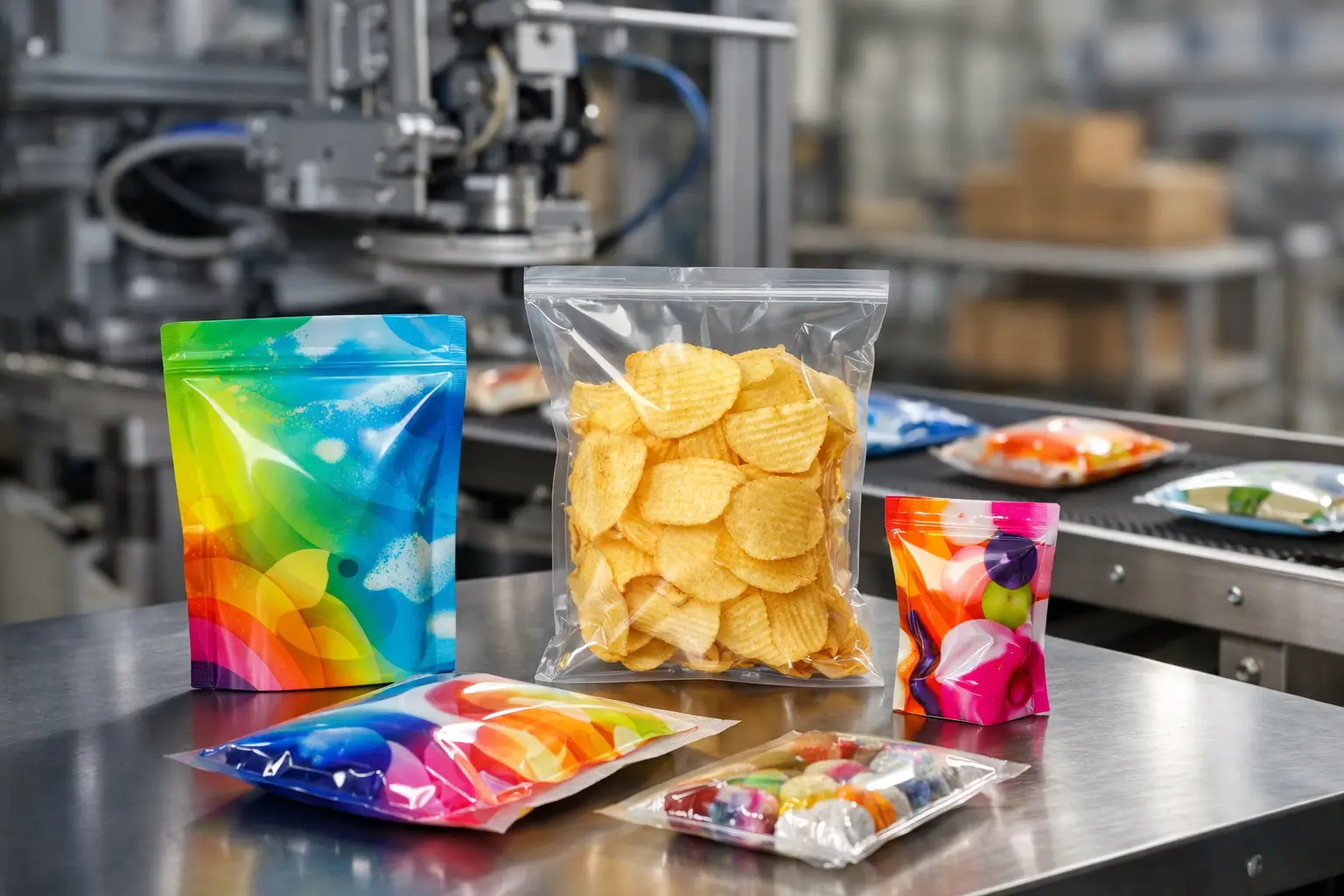
A plain pouch can get a product out the door. It usually cannot carry a brand very far.
That is where custom printed plastic packaging starts to matter. For growing product companies, packaging is not just a container. It affects shelf presence, product protection, production speed, and how easily a business can move from a small test run to a national rollout. If the package looks right but runs poorly on the line, that is a problem. If it protects the product but misses the brand, that is also a problem. Good packaging has to do both.
Why custom printed plastic packaging is a growth tool
For most B2B buyers, the decision is not really about whether printed packaging looks better than a blank bag with a label. It does. The real question is whether the upgrade improves operations and supports sales enough to justify the move.
In many cases, it does. A printed pouch or roll film can reduce the extra handling that comes with applying labels, improve consistency across SKUs, and create a cleaner presentation for retail and e-commerce. It can also help teams manage growth more effectively. A startup might begin with stock bags for speed, test several products, and then shift successful items into custom print once reorder volume becomes more predictable. That path lowers risk without freezing brand development.
There is also a practical side buyers cannot ignore. Printed packaging can include required product information, lot coding areas, usage directions, warning language, and design elements that support category expectations. In coffee, that might mean room for roast details and valve placement. In supplements, it often means clearer panel organization and stronger visual hierarchy. In pet products, it may need durability and shelf impact at the same time.
Choosing the right packaging format first
Before discussing graphics, ink coverage, or finishes, the format has to be right. Custom printing works best when the structure already fits the product, filling process, and channel.
Stand-up pouches
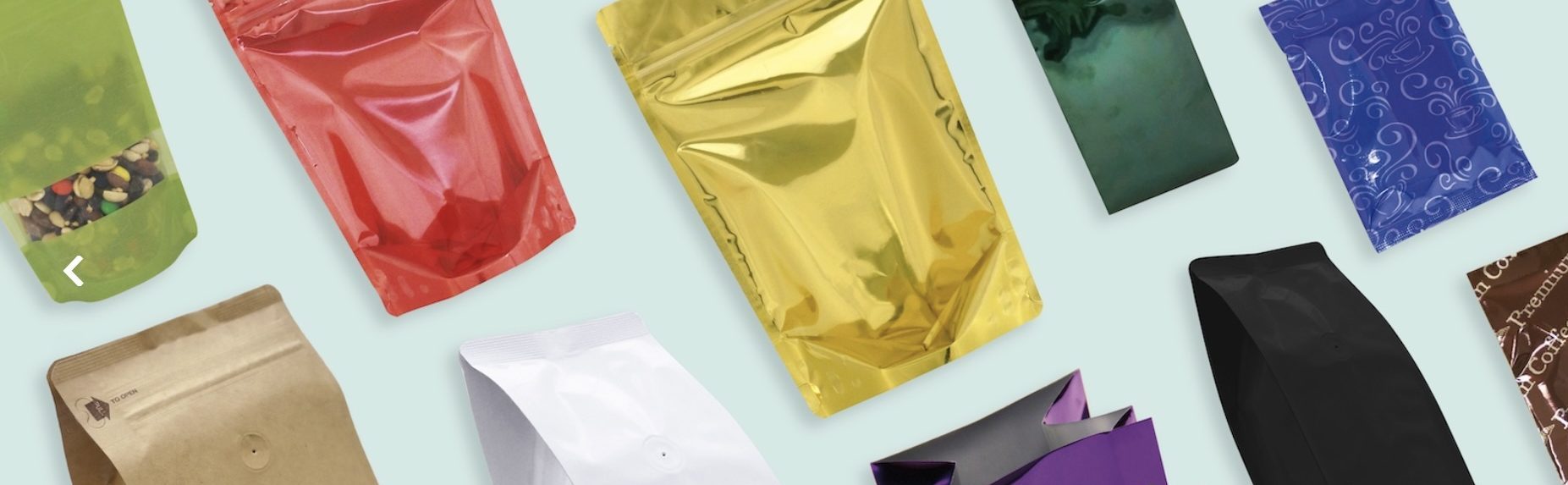
Stand-up pouches are a common choice because they balance presentation and efficiency. They display well, ship efficiently, and work across a wide range of categories including snacks, powders, coffee, tea, and supplements. If a brand needs a package that can move from online sales to retail shelves without changing formats, this is often a strong option.
Flat pouches and sachets
Flat pouches make sense when the product is lightweight, single-serve, or sample-driven. They use less material than larger formats and are often easier to distribute in kits, trial programs, and small-format retail. The trade-off is shelf presence. They do not command space the way a stand-up pouch does.
Gusseted and square bottom bags
For coffee, dry goods, and larger fill weights, gusseted bags and square bottom bags offer more structure and capacity. They can also support premium branding when paired with the right print treatment. These formats may require more planning around dimensions, closures, and application features, but they often pay off in merchandising and fill performance.
Roll film for automated production
Roll film is often the right answer for higher-volume operations with form-fill-seal equipment. It offers efficiency and can be cost-effective at scale, but it is less forgiving if artwork, material selection, or machine compatibility is off. Buyers should treat roll film as an operational decision as much as a branding one.
Print method matters more than many buyers expect
Not all custom printed plastic packaging is produced the same way, and the print method has a direct effect on lead times, minimums, unit cost, and flexibility.
Digital printing for speed and testing
Digital printing is well suited for shorter runs, SKU testing, and fast-moving launches. It gives brands more flexibility when artwork may change, seasonal versions are needed, or order quantities are still developing. For emerging brands, digital can be the bridge between labeled stock packaging and larger-scale custom production.
The trade-off is usually economics at higher volumes. Once a product gains traction, another print process may deliver better unit pricing.
Flexographic printing for scalable production
Flexographic printing is often a practical choice for established SKUs with stable demand. It supports larger runs and can be very efficient when the artwork and specifications are locked in. Buyers should be prepared for plate costs and a more deliberate setup process, but over time, it can be a smart move for repeat production.
Rotogravure for high-volume consistency
Rotogravure is typically used when volumes are substantial and print quality needs to remain highly consistent over long runs. It is not the first step for every brand, but for mature programs and demanding visual standards, it can be the right fit. The important point is that the best print method depends on volume, timing, and how fixed the packaging program really is.
What buyers should get right before artwork begins
A surprising number of packaging delays start before production ever begins. The issue is not usually the printer. It is incomplete decisions upstream.
Dimensions, material structure, barrier needs, closure type, finish options, and required features should be settled early. If a coffee brand needs a degassing valve, that affects the package. If a retail item needs a hang hole or tin tie, that needs to be built into the plan. If the product is moisture-sensitive or aroma-sensitive, the material specification matters as much as the design.
Artwork also has to match the package reality. A strong graphic concept on a screen may not translate cleanly to a narrow gusset, zipper area, or seal zone. Good packaging development is always a combination of branding and manufacturing discipline.
Custom printed plastic packaging and operational efficiency
The strongest packaging decisions often come from operations, procurement, and brand teams working together. That is because printed packaging changes more than appearance.
A move from stock bags with applied labels to pre-printed pouches can reduce labor steps and improve consistency in fulfillment. It can also simplify inventory if the packaging program is organized well. On the other hand, every branded SKU creates its own inventory commitment. If forecasting is weak, businesses can end up with excess printed stock.
That is why it often makes sense to phase the transition. Start with stock packaging when speed is critical. Validate product-market fit. Identify the SKUs that earn repeat demand. Then move the proven items into custom print with a process that fits actual volume. That path gives buyers more control over cash flow and fewer packaging surprises.
For brands that need additional finishing services, the supplier relationship becomes even more important. Labeling, hot foil stamping, valve application, tin tie application, and hang hole application can save internal labor and keep packaging output moving. When those services are handled alongside the packaging itself, execution tends to be cleaner.
How to evaluate a packaging partner
A supplier should be able to do more than quote a pouch. Business buyers need clear answers on lead times, print options, inventory availability, case quantities, and application capabilities. They also need honesty. If a job is better suited to digital than flexo, or to a stock bag than a full custom run, that should be said early.
Speed matters, but so does scalability. A good packaging partner can support immediate needs with in-stock options and then help the brand move into custom production when timing and volume make sense. That is especially valuable for companies managing launches, promotions, and line extensions under real deadlines.
Soestern Packaging is built around that progression. Buyers can source stock packaging for immediate demand, then transition into custom printed solutions and finishing services as their packaging program matures. For brands trying to reduce vendor complexity, that kind of support is practical, not theoretical.
Where brands tend to overbuy and underplan
Many companies over-focus on visual effects and under-focus on production fit. Matte finishes, metallic details, and premium touches can be worthwhile, but not if the core package specification is wrong. A pouch that looks expensive but underperforms in transit or slows packing output costs more in the long run.
The opposite mistake is treating packaging like a commodity. If every decision is based only on the lowest unit price, the result can be weak shelf impact, line inefficiency, or a package that does not support the brand’s next stage of growth.
The better approach is measured. Choose a package that protects the product, runs well, fits the sales channel, and presents the brand credibly. Then scale print sophistication as the business gains traction.
Custom printed plastic packaging works best when it is treated as part of the operating model, not just the marketing plan. When the format, print process, and service support are aligned, packaging stops being a bottleneck and starts doing what it should – helping the product move.