






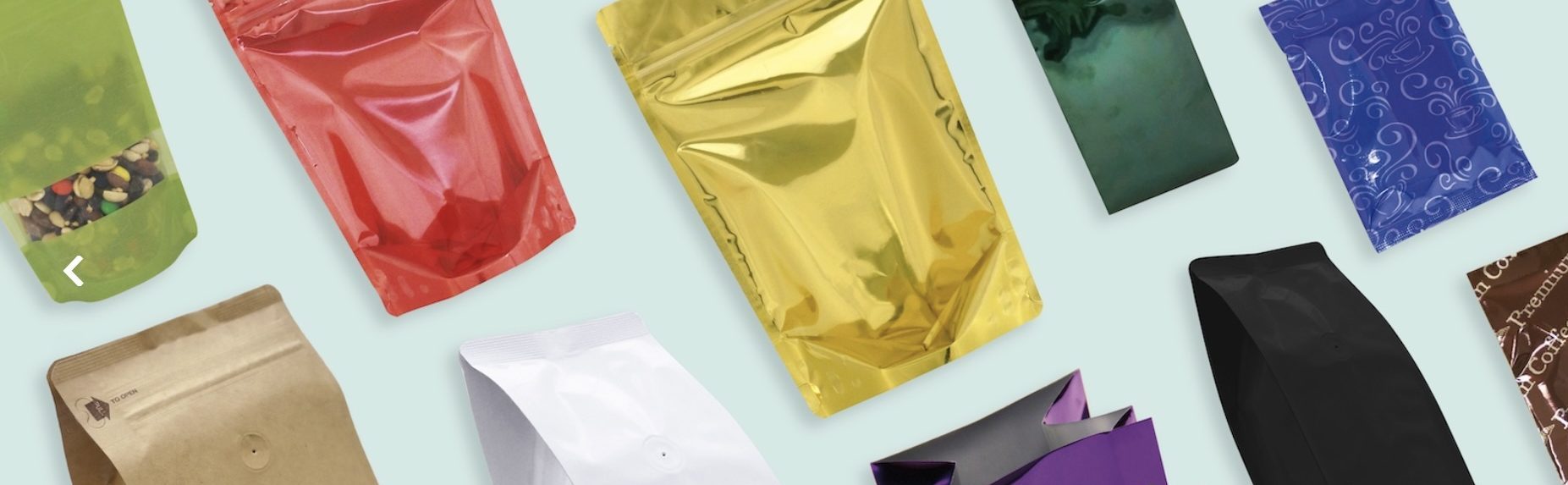
Packaging Insights
A Guide to Coffee Bag Specifications

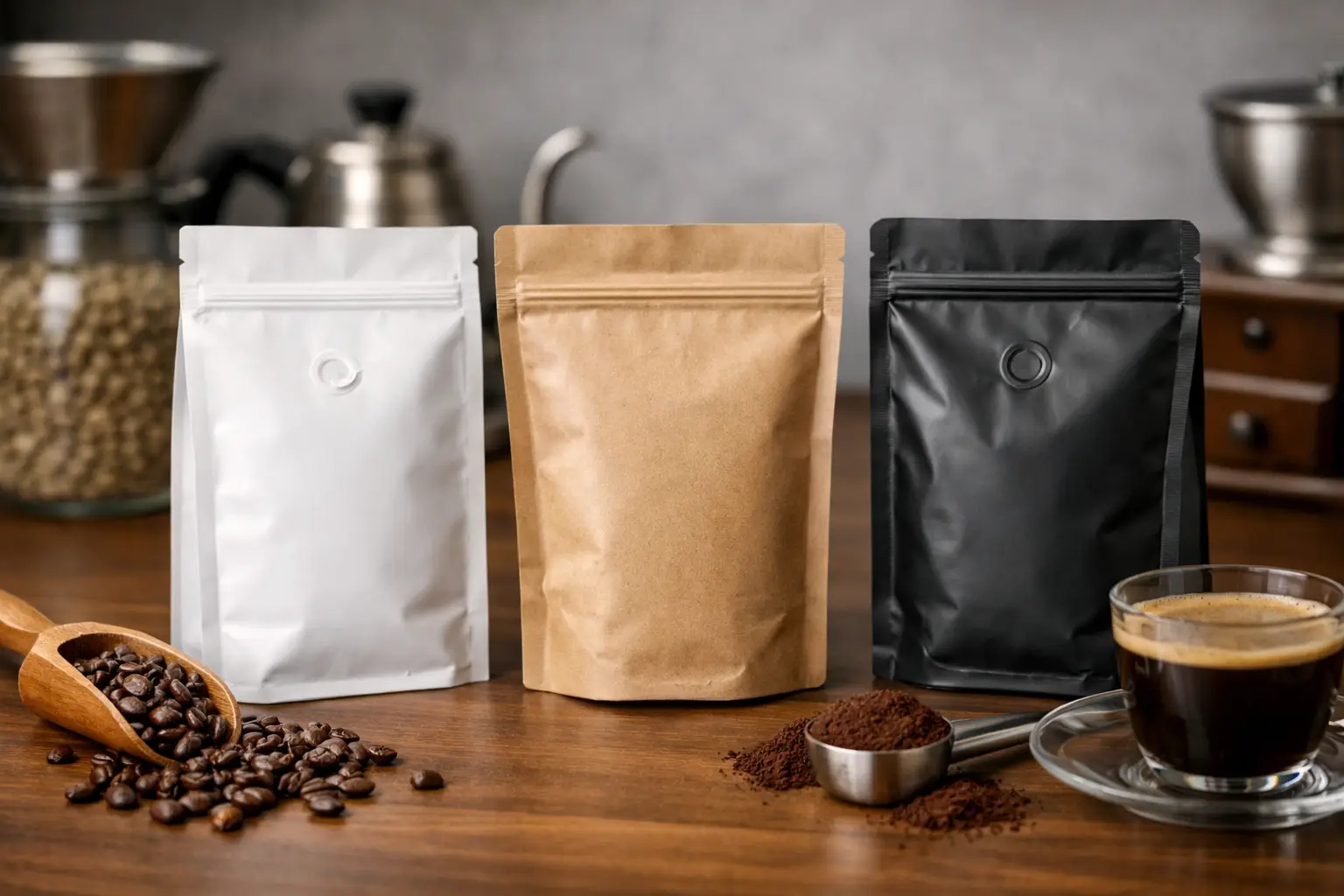
A coffee bag that looks right on screen can fail fast in production or on the shelf. The most common problems are simple: the fill weight does not match the true bag volume, the barrier is too light for the roast profile, the valve is missing, or the seal area is too tight for consistent packing. That is why a clear guide to coffee bag specifications matters. It helps coffee brands make packaging decisions that support freshness, branding, line efficiency, and future growth.
For startups, the stakes are usually speed and flexibility. For established roasters, the focus often shifts to consistency across SKUs, freight efficiency, and scaling custom print runs without creating operational headaches. In both cases, the right specification work up front saves time, reduces waste, and makes it easier to move from stock bags to branded packaging when the business is ready.
What coffee bag specifications actually include
When buyers talk about coffee bag specifications, they are usually combining several decisions into one conversation. Bag format, dimensions, film structure, barrier level, finish, closure style, valve placement, and print method all affect how the final package performs.
A bag specification is not just a size callout. It is the working blueprint for how the package will run on your equipment, protect roasted coffee, present on shelf, and ship through distribution. If one part is off, the bag can still look acceptable while creating problems in filling, sealing, or storage.
That is especially true in coffee, where degassing, aroma retention, oxygen control, and visual presentation all matter at the same time. A bag for whole bean coffee sold in specialty retail may need a different structure than a ground coffee pouch built for e-commerce bundles or club pack distribution.
Guide to coffee bag specifications by format
The first decision is usually the bag style. Format affects capacity, shelf presence, fill behavior, and branding area.
Stand-up pouches
Stand-up pouches are a practical choice for many coffee brands because they combine good shelf presence with efficient storage and shipping. They work well for retail coffee packaging, especially when paired with a resealable zipper and a one-way degassing valve. They also offer strong billboard space for labels or full custom print.
The trade-off is that not every stand-up pouch handles higher fill weights or dense product in the same way. Base stability, gusset depth, and overall proportions all matter. A pouch that stands well at 12 ounces may behave differently at 2 pounds.
Side gusseted bags
Side gusseted coffee bags remain a strong option for traditional coffee presentation. They are often used for whole bean coffee and can work well with tin ties or heat seals, depending on the channel and expected turnover.
These bags pack efficiently into cases and can present a more classic coffee profile. However, front panel branding space may be narrower than on some stand-up formats unless dimensions are carefully planned.
Flat bottom and square bottom bags
Flat bottom and square bottom coffee bags are popular when brands want a premium look and stable shelf presentation. They provide multiple printable panels and strong visual structure, which can be useful for higher-end retail lines.
They can also support heavier fills more effectively than some lighter pouch formats. The trade-off is that the specification process is usually less forgiving. Panel dimensions, fold geometry, and fill tolerances need to be aligned closely with the product and packing method.
Size, dimensions, and fill weight are not the same thing
One of the most common buyer mistakes is treating bag size and coffee weight as interchangeable. A 12-ounce coffee bag is not defined only by the number 12 ounces. Roast level, bean density, grind size, and headspace requirements all influence how much room the product needs.
Whole bean coffee and ground coffee can behave very differently in the same nominal bag size. Dark roasts often take up more volume than lighter, denser beans. Ground coffee settles differently during filling and transit. If the bag is undersized, you may end up with inconsistent seals, stressed side gussets, or a package that does not present cleanly.
That is why specification should start with product testing, not just a target weight. Buyers should confirm the actual fill performance of the selected bag format with their own coffee before committing to larger quantities or custom production.
Materials and barrier properties
Coffee packaging has one primary job before anything else: protect product quality. Material structure and barrier performance are central to that job.
Most coffee bags use multilayer constructions designed to limit oxygen and moisture transmission while maintaining sealability and print performance. The right structure depends on product sensitivity, expected shelf life, distribution conditions, and whether the coffee is whole bean or ground.
Higher barrier materials are often the safer choice for freshness, but there are trade-offs. They can affect cost, recyclability goals, and sometimes the overall feel of the package. A brand selling fast-turn local retail coffee may make a different decision than a brand shipping nationally through wholesale and e-commerce.
Finish also matters. Matte and gloss are often treated as a branding decision, but they can influence scuff visibility and visual impact at retail. Paper-touch and foil-based appearances can add value in some markets, though they should still be evaluated against barrier needs and production realities.
Valves, zippers, and closure details
A one-way degassing valve is one of the most important coffee-specific features for freshly roasted product. Roasted coffee releases carbon dioxide after packing, and without a valve, pressure can build inside the bag. With the right valve, gas escapes while outside oxygen stays out.
Not every coffee product requires the same valve configuration. Placement, compatibility with the bag material, and the expected degassing behavior of the roast all matter. This is not an area where buyers should guess.
Zippers are another key specification point. They improve consumer convenience and help preserve product after opening, but they also change the bag design. You need enough headspace above the zipper for a reliable seal, especially if bags are being filled and sealed at speed. If that area is too tight, production consistency can suffer.
Tin ties may still make sense for certain paper coffee bag applications or lower-tech closure preferences, but they usually serve a different use case than a heat-sealed, valve-equipped retail pouch.
Sealing and production compatibility
The best-looking coffee bag still has to run on the line. Seal width, sealant layer, film stiffness, and bag opening characteristics all affect operational performance.
If your team is hand filling in short runs, you may tolerate more variation. If you are working with semi-automatic or automatic filling equipment, tolerances become more important. Bags that open poorly, shift during filling, or require inconsistent sealing pressure can slow output and increase scrap.
This is where experienced packaging support matters. A commercially sound specification balances packaging appearance with production efficiency. There is no value in overengineering a bag if it creates problems every day on the floor.
Printing and branding specifications
As brands move from plain stock bags to custom printed coffee packaging, print method becomes part of the specification conversation. Digital printing can be a strong fit for shorter runs, seasonal releases, market testing, or SKU variation. Flexographic and rotogravure printing are often better aligned with larger volume programs where unit economics and repeat consistency matter.
Artwork layout should account for real package construction, not just a flat design file. Valves, zippers, gussets, seal areas, and bottom folds all affect usable print space. That is especially important on coffee bags where branding, roast details, origin information, and regulatory copy may all need room.
If your coffee line is growing, think beyond the first run. A packaging system that allows you to launch quickly, then scale into more refined custom decoration and finishing, usually creates less friction than rebuilding specifications every time volume changes.
A practical guide to coffee bag specifications for growing brands
The most effective approach is to treat specifications as a staged decision, not a one-time guess. Start with the product, then the format, then the material and feature set, and finally the print strategy.
For many brands, stock packaging is the fastest path to market testing. It allows you to validate fill weight, shelf fit, valve requirements, and customer response before committing to a larger custom program. Once demand is established, it becomes much easier to move into branded pouches with the right dimensions and production specs already proven.
That path is often more efficient than trying to perfect every detail before launch. It also reduces the risk of ordering a custom coffee bag that looks sharp but performs poorly in real conditions. Suppliers with both in-stock inventory and custom capabilities can support that transition more effectively because the learning from early-stage packaging can carry into scaled production.
Coffee packaging decisions are rarely about one feature in isolation. Size affects seal area. Material affects freshness. Valves affect structure. Printing affects lead time and minimums. The right specification work connects all of it to your actual product and your growth plan.
If you are evaluating coffee packaging now, the best next step is usually not a bigger order. It is a better spec.